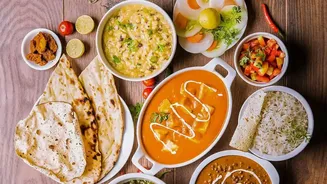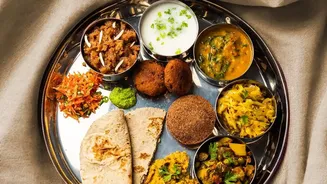


The Foundation: What is 'Vrat ka Khana'?
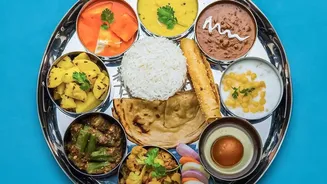
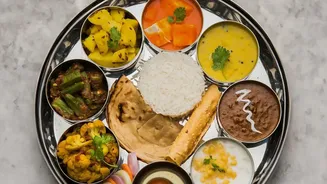
Before diving into regional specialities, it's key to understand the basics of Navratri fasting cuisine, often called 'vrat ka khana' or 'farali food'. The rules generally involve abstaining from grains like wheat and rice, lentils, onions, and garlic.
Instead, the pantry is stocked with alternative flours like buckwheat (kuttu ka atta), water chestnut (singhare ka atta), and amaranth (rajgira). Tapioca pearls (sabudana), barnyard millet (samak ke chawal), fruits, dairy products, and certain vegetables form the core of the diet. Seasoning also changes, with regular table salt replaced by rock salt (sendha namak).
North India: Hearty and Wholesome
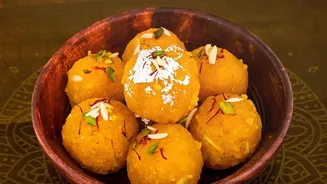
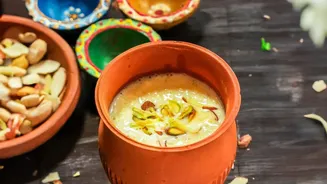
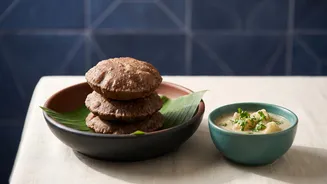
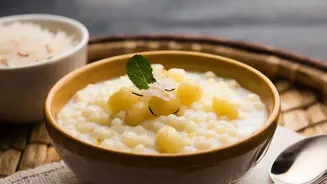
In North India, the fasting food is robust and designed to provide sustained energy. The undisputed stars are dishes made from kuttu and singhara flour. Think crispy Kuttu ki Poori paired with a simple yet flavourful Aloo ki Sabzi (potato curry made without onion or garlic). Another staple is Samak ke Chawal, or barnyard millet, which is used to make a comforting khichdi or pulao. For snacks, you'll find everything from paneer preparations to Arbi Kofta (colocasia dumplings) and crispy Samak Tikki (barnyard millet patties). Sweets often feature makhana (fox nuts), as seen in the popular Makhana Kheer.
West India: The Reign of Sabudana
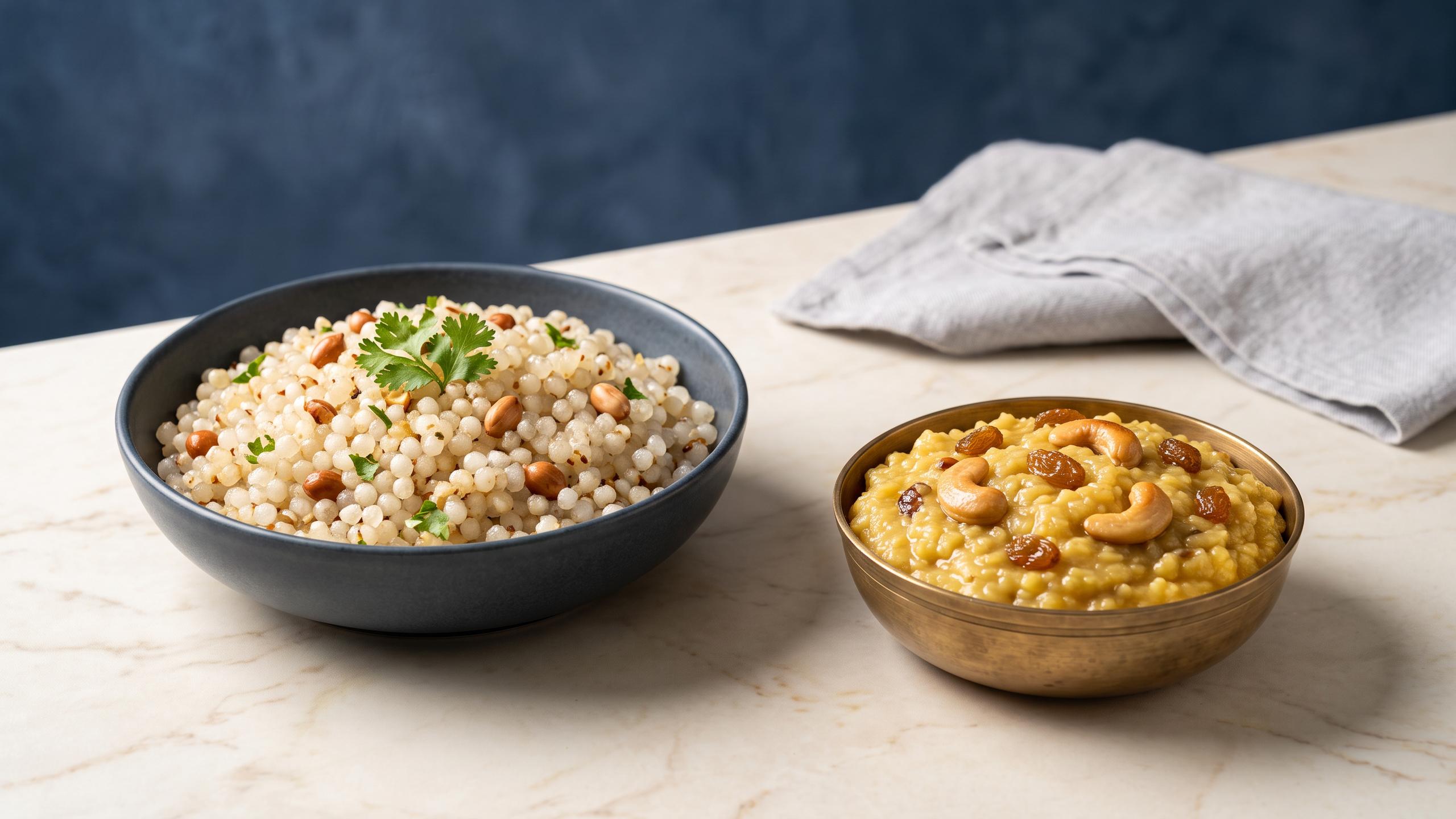
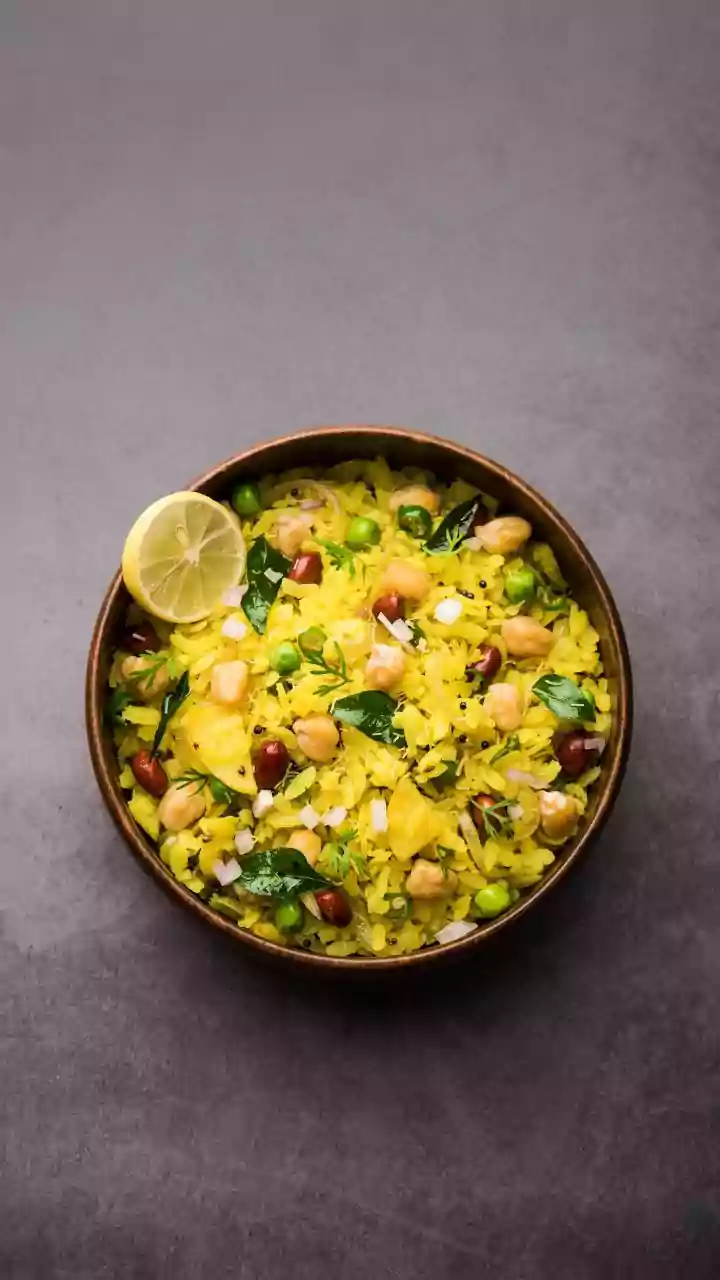
Travel west to Gujarat and Maharashtra, and you'll enter the kingdom of sabudana. Sabudana Khichdi, a delightful mix of soaked tapioca pearls, roasted peanuts, potatoes, and mild spices, is a breakfast and mealtime favourite. Another beloved snack is the Sabudana Vada, a deep-fried patty that's crispy on the outside and soft on the inside, often served with a yogurt dip. In Gujarat, the 'farali' menu is extensive, featuring unique dishes like Farali Pattice (potato patties stuffed with coconut and nuts) and refreshing drinks like Piyush, a creamy blend of shrikhand and buttermilk. Maharashtrian households also prepare savoury pancakes called Thalipeeth, using fasting-compliant flours.
South India: A Festival of Sundal and Sweets
In the southern states, particularly Tamil Nadu and Andhra Pradesh, Navratri celebrations often coincide with the Golu doll festival. While stringent fasting is less common than in the North, specific food offerings, or 'naivedyam', are prepared daily. The highlight is 'sundal', a simple and healthy dish made from different legumes like chickpeas, green gram, or peanuts, tempered with mustard seeds, curry leaves, and grated coconut. A different type of sundal is often prepared on each of the nine nights. Sweets are also integral, with Payasam (a milk-based pudding) being a common offering. Variations include Semiya Payasam (vermicelli) and Sakkarai Pongal (a sweet dish of rice and jaggery).
East India: A Feast for Durga Puja
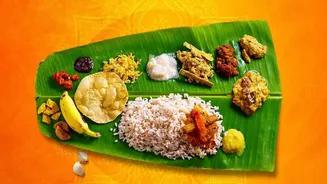
In West Bengal and other eastern states, Navratri is celebrated as Durga Puja, and it's less about fasting and more about feasting. The culinary traditions here are distinct. While many households stick to vegetarian food, it is not the grain-free, onion-garlic-free diet of the north. From the sixth day ('Shasthi') onwards, it's a celebration of Bengali cuisine. The community 'bhog' (offering to the goddess) often features Khichuri, a delicious rice and lentil dish, served with a mixed vegetable curry called Labra, fried items like Beguni (eggplant fritters), and a sweet tomato chutney. Luchi (puffy, deep-fried bread) with Aloo'r Dum is another festive favourite. Non-vegetarian dishes may also be consumed, particularly from Navami onwards in some traditions.