



September’s Unpredictable Weather
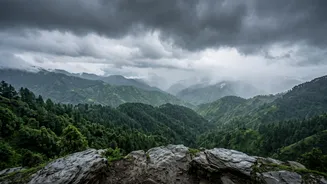
September occupies a tricky middle ground in India's weather calendar. While the heaviest monsoon downpours have often passed, the season isn't entirely over. The tail end of the monsoon can bring sudden, intense spells of rain, particularly in the Himalayan
states of Himachal Pradesh and Uttarakhand, as well as parts of the Western Ghats. These are not gentle drizzles; they can be powerful enough to destabilise saturated slopes and cause immediate travel disruptions. The India Meteorological Department (IMD) has noted that early September can remain an active period for the monsoon, with widespread rainfall still possible across several regions. This means a sunny morning can turn into a foggy, rain-lashed afternoon with little warning. For travelers, this unpredictability is the single biggest factor to plan around. It's less about constant rain and more about the risk of short, intense bursts that can change ground conditions rapidly.
The Condition of Mountain Roads
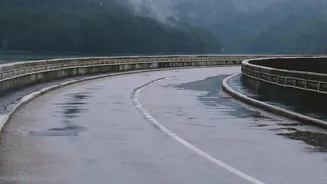
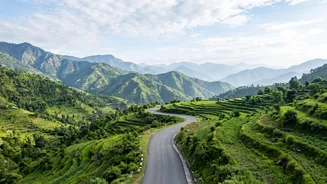
The primary risk for any September hill trip is the state of the roads. Months of sustained rainfall leave the ground saturated, making slopes prone to landslides. As of early September, reports from states like Himachal Pradesh have indicated numerous road blockages due to landslides in districts like Kullu. These aren't minor inconveniences; they can involve entire sections of a road washing away, cutting off access to towns and valleys for hours or even days. Key tourist corridors, such as those leading to Manali, Shimla, and parts of Uttarakhand, are particularly vulnerable. The danger is not just from large-scale landslides but also from smaller, more frequent events like falling rocks and flash floods that can make driving treacherous. Authorities often advise travelers to avoid driving at night and to stay away from rivers and streams that can swell unexpectedly.
Your Pre-Travel Checklist
Preparation is everything when planning a hill station visit during this volatile season. Before you even pack your bags, a few checks are non-negotiable. First, monitor the IMD weather forecast for your specific destination daily in the week leading up to your trip. Pay close attention to any 'Orange' or 'Red' alerts, which signal a need to be prepared or to take action, respectively. Second, check the real-time status of roads. Many state police and public works departments now share updates on social media or official websites. The NHAI helpline (1033) is another valuable resource for national highway conditions. Finally, call your hotel or resort directly. Ask them about the local conditions, road accessibility to their property, and if any local advisories are in effect. They have the most current, on-the-ground information. It’s also wise to build one or two buffer days into your itinerary to account for potential delays.
Smart Packing for Monsoon’s End
Packing for a September hill trip requires a focus on staying dry and warm. Cotton clothes should be avoided as they absorb moisture and take a long time to dry in the humid air. Instead, opt for quick-dry fabrics. The key is layering: a base layer, a warm fleece or light sweater, and a waterproof and windproof outer jacket. Footwear is equally critical; a pair of sturdy, waterproof trekking shoes with good grip is essential for navigating slippery paths. Don’t forget a waterproof cover for your backpack and dry bags or zip-lock pouches to protect electronics and important documents like your ID and booking confirmations. A power bank is a must-have, as rain can sometimes lead to power cuts. Also include a basic first-aid kit with medicines for common ailments, antiseptic wipes, and bandages.
When to Postpone Your Trip
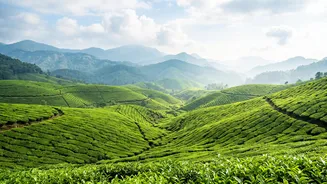
While the promise of verdant hills is tempting, safety must come first. There are clear signs that suggest it's better to delay or cancel your trip. An active 'Red' alert from the IMD for your destination is a major red flag. Widespread reports of road closures on the main highways leading to your destination are another strong indicator that travel will be difficult and risky. If local authorities in districts like Kullu, Shimla, or Almora issue advisories asking tourists to avoid unnecessary travel, it is crucial to heed their warning. Similarly, if your hotel informs you that the final approach road to their property is damaged or considered unsafe, it's wise to reconsider. The goal of a vacation is to relax and rejuvenate, not to get stranded or put yourself in a dangerous situation.