




A Tropical Treasure in Miniature
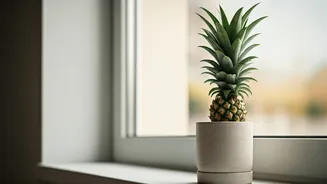
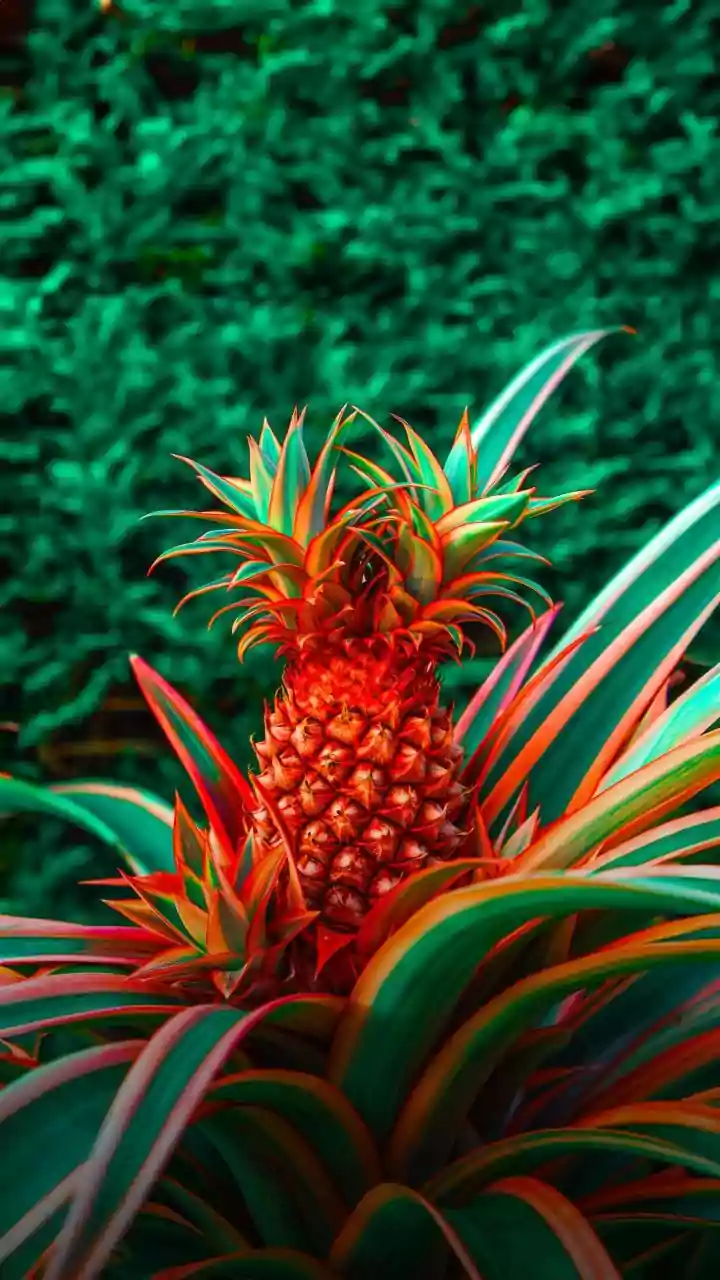
What exactly is an ornamental pineapple? It's a genuine pineapple plant, but a dwarf variety of Ananas comosus, the same species as the ones we eat. These miniature versions are cultivated for their looks rather than their fruit. Featuring a rosette of spiky,
sword-like leaves and a tiny pineapple perched on a central stalk, they are living sculptures that bring an instant tropical vibe to any room. Varieties like 'Champaca' are commonly found in garden centres, celebrated for their compact size and decorative appeal. While edible pineapples can grow quite large, these ornamental types usually remain a manageable size, making them ideal for windowsills, bookshelves, and side tables.
The Perfect Pint-Sized Statement
In the world of small-space living, every decorative item has to earn its place. The ornamental pineapple does this with flair. It’s an immediate conversation starter, far more unusual than the average houseplant. Historically, pineapples were symbols of hospitality and immense luxury, so rare that people would rent them for parties. Bringing an ornamental one into your home taps into this legacy of exotic charm. Its spiky silhouette and vibrant crown add texture and a pop of life, fitting seamlessly into minimalist, bohemian, or contemporary decor styles. Plus, as part of the bromeliad family, these plants are known to be excellent air purifiers, helping to freshen up your indoor environment.
Caring for Your Pineapple Plant
Despite its exotic appearance, caring for an ornamental pineapple is surprisingly straightforward. The key is to mimic its native tropical conditions. First, they crave light. Place your plant in a spot where it can receive at least six hours of bright, indirect sunlight each day; a south-facing window is often ideal. When it comes to watering, less is more. Allow the top inch or two of the soil to dry out completely between waterings to prevent root rot. These plants are drought-tolerant and dislike sitting in soggy soil. A well-draining potting mix, perhaps with sand or perlite added, is crucial. They appreciate warmth and humidity, so keep them in temperatures between 18°C and 35°C and consider misting the leaves occasionally, especially during dry winter months.
Frequently Asked Fruity Questions
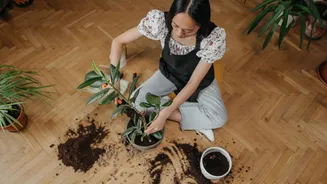
Before you bring one home, you probably have a few questions. The most common one is: can you eat the tiny fruit? The answer is generally no. While the fruit isn't toxic, it's grown for its appearance, not its flavour, and is often tough, fibrous, and not very tasty. The plant typically produces fruit only once in its life cycle, which can take a couple of years. After the fruit has finished its display, the mother plant will slowly decline, but don't despair! It will usually produce offshoots, or 'pups', from its base. These pups can be separated and potted to grow new pineapple plants, continuing the cycle. As for pets, pineapple plants are considered non-toxic, making them a safe choice for homes with curious cats and dogs.