


The Old Tiffin Meets a New Philosophy
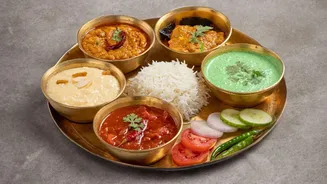
For generations, the stainless steel tiffin, or dabba, has been a cornerstone of Indian work life, a stacked promise of a home-cooked meal. While beloved, its design often means gravies mingle and rotis can become soggy. Enter the bento. Originating in Japan,
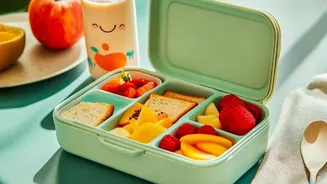
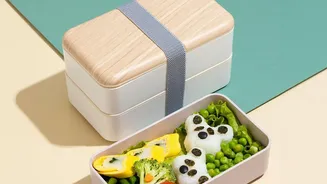
the bento is a single-portion meal packed in a container with multiple compartments. The philosophy is simple but transformative: balance, variety, and visual appeal. Each compartment holds a different element of the meal, keeping flavours and textures distinct. This concept of a neatly organised, multi-component meal is now inspiring a modern makeover for the Indian tiffin, turning it from a simple carrier into a curated dining experience.
Building a Balanced Indian Bento
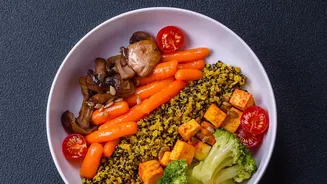
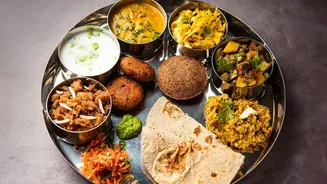
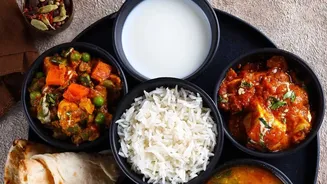
The magic of the bento lies in its structure, which naturally encourages a balanced meal. An Indian-inspired bento follows a similar principle, creating a mini-thali on the go. A common approach follows a 4:3:2:1 ratio: four parts carbohydrate, three parts protein, two parts vegetables, and one part for a pickle, chutney, or small fruit. This ensures you get a well-rounded meal with all essential nutrients. A typical Indian bento might include a main dry sabzi or grilled protein, a serving of dal or legumes, a portion of rice or millets, a fresh kachumber salad, and perhaps a small sweet treat. The compartments make portion control effortless, helping to avoid that post-lunch slump.
Inspiration for Your Lunchbox
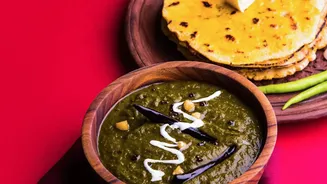
The possibilities for an Indian bento are endless, drawing from the rich diversity of regional cuisines. For a North Indian flavour, you could pack paneer tikka skewers, a small portion of jeera rice, a cucumber raita in a leak-proof section, and a handful of roasted almonds. A South Indian-inspired box might feature lemon rice, a small serving of vegetable poriyal, a mini vada, and a side of coconut chutney. You can also create a protein-focused box with a chana masala wrap, baked sweet potato wedges, and a fresh mango slice for dessert. Even leftovers can be artfully arranged; last night's chicken stir-fry or bhindi fry can become the star of today's lunch when paired with fresh chapati rolls and a crunchy salad.
Practical Tips for Perfect Packing
Adopting the bento style is easier than it looks. The key is a little preparation. Cooking components like dal, sabzi, or boiling legumes over the weekend can save immense time on weekday mornings. When packing, always let hot food cool down slightly before sealing the lid to prevent condensation, which can make food soggy. Use butter paper or parchment to wrap rotis and parathas, keeping them soft and separate. For wet items like raita or chutney, use small, leak-proof cups that fit inside a compartment. Finally, invest in a good quality, multi-compartment lunchbox. While traditional steel tiffins are great, modern bento-style boxes are specifically designed to keep different foods perfectly separated and fresh until you are ready to eat.