



The Foundation of Flavour
In cooking, balancing the five basic tastes—sweet, salty, bitter, umami, and sour—is the key to delicious food. Of these, acid is often the unsung hero. It's the element that cuts through richness, lifts dull flavours, and makes everything taste more
vibrant and alive. When a dish tastes flat or heavy, it often doesn't need more salt; it needs a hit of acid. This 'brightness' can come from many sources, but each one brings its own unique personality to the table, determined by the type of acid it contains.
The Sharp Punch: Citric Acid
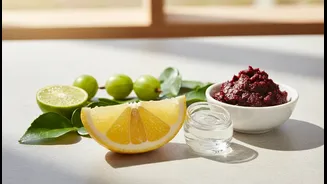
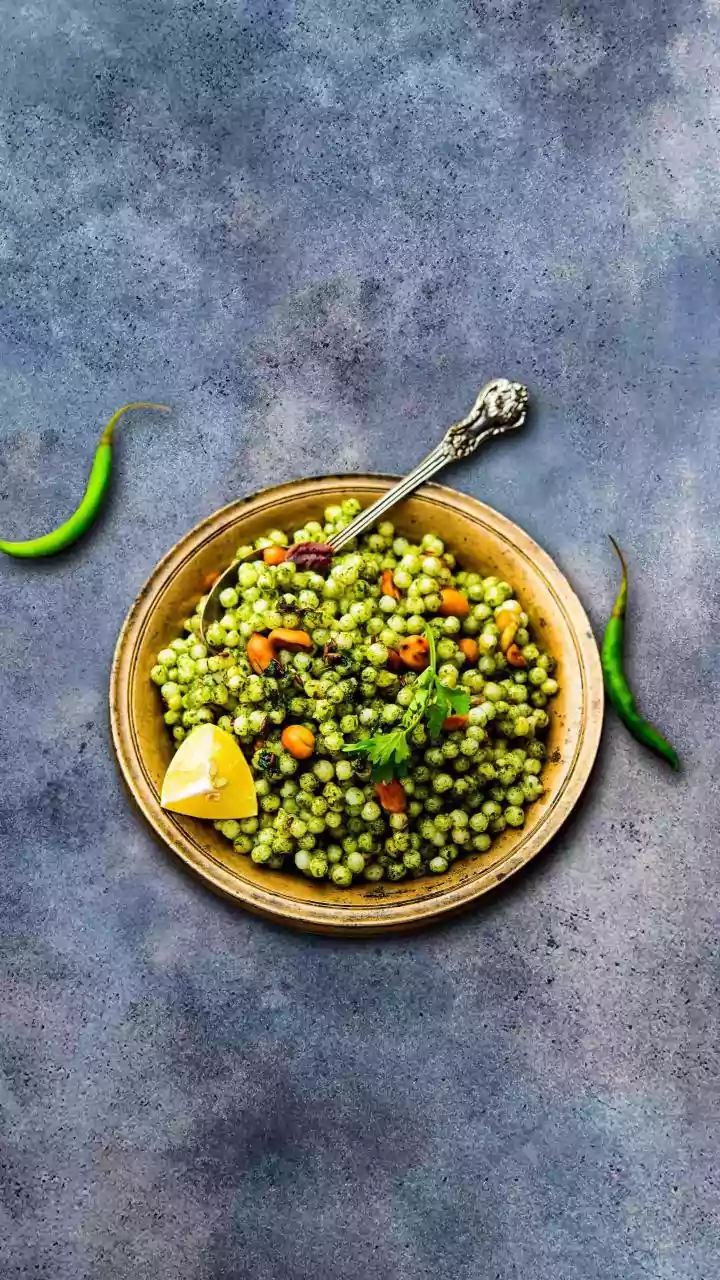
When you think of sour, you probably think of lemons and limes. Their power comes from citric acid, which delivers a sharp, clean, and assertive burst of flavour. This type of acidity is bright and fresh, perfect for finishing dishes where you want a vibrant lift without a lingering aftertaste. A squeeze of lemon over grilled fish, dal, or roasted vegetables can revive cooked flavours and make them taste more like their fresh, raw counterparts. In Indian cuisine, nimbu is a staple, used to brighten everything from simple lentils to complex curries.
The Pungent Kick: Acetic Acid
Vinegar gets its characteristic pungent aroma and sharp bite from acetic acid. Unlike the fleeting brightness of citric acid, the sourness from vinegar is more persistent and complex. Different vinegars offer their own nuances: apple cider vinegar has fruity notes, while balsamic can be sweet and syrupy. In Indian cooking, vinegar is a cornerstone of Goan cuisine, essential for dishes like vindaloo, and is also widely used in pickling across the country. This type of sourness is ideal for marinades, as it helps tenderise proteins, and for dressings, where its strong flavour can stand up to oils and other ingredients.
The Mellow Tang: Lactic Acid
Yogurt (curd), buttermilk, and other fermented foods provide a gentler, creamier form of sourness thanks to lactic acid. This acid is produced during fermentation and offers a mild, rounded tang rather than a sharp punch. It's perfect for adding a subtle depth and richness to dishes. Think of how dahi is used in marinades to tenderise chicken, in raitas to cool the palate, or as a base for gravies like kadhi. This mellow sourness blends seamlessly into dishes, providing balance without overpowering other flavours.
The Fruity and Complex: Tartaric and Malic Acids
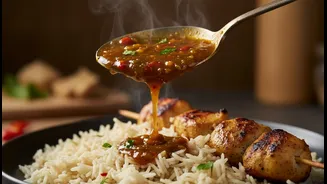
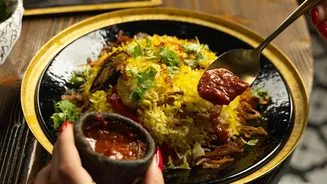
Many souring agents popular in Indian cuisine get their character from a blend of acids. Tamarind (imli), a staple in South Indian cooking, contains high levels of tartaric acid, which gives it a distinct sweet-and-sour profile that is more complex than simple lemon juice. It provides a deep, fruity tartness to dishes like sambar and rasam. Amchur (dried mango powder) is another key ingredient, delivering a tartness from malic and citric acids that is less about juice and more about a concentrated, sour dustiness perfect for spice rubs and chaat masala. Kokum, used along the Konkan coast, offers a unique, slightly floral sourness that also imparts a beautiful purplish hue to dishes.