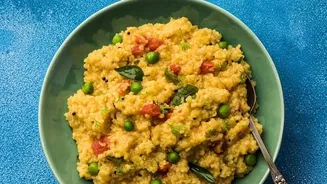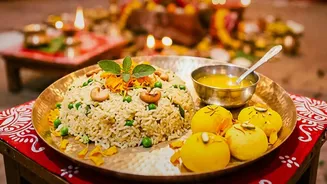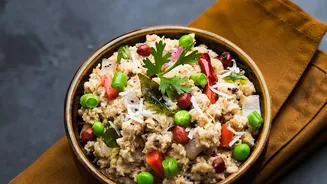






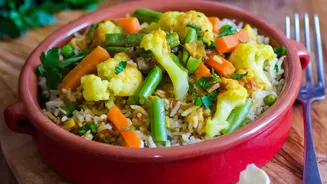
Looking for a healthy, flavourful, and easy one-pot meal? Vegetable millet pulao is a fantastic alternative to traditional rice dishes. This guide breaks down the simple steps to create a fluffy, aromatic, and nutritious pulao in your own kitchen.
Why Choose Millet Pulao?
Before
we dive into the cooking, let's appreciate why this dish is a wonderful choice. Millets are ancient grains packed with nutrients. They are naturally gluten-free, rich in fibre and protein, and have a lower glycemic index compared to white rice, making them a great option for a balanced diet. Foxtail millet, kodo millet, and barnyard millet are excellent choices for pulao as their grains tend to stay separate and fluffy after cooking, closely mimicking the texture of a traditional pulao. This recipe transforms these humble grains into a satisfying meal that is both wholesome and delicious.
Gathering Your Ingredients
A great pulao starts with quality ingredients. For this recipe, which serves about three to four people, you will need approximately one cup of millet (like foxtail or kodo). For the vegetable mix, gather about two cups of your favourites, finely chopped. A classic combination includes carrots, green beans, peas, and potatoes. The aromatic base requires one sliced onion, a teaspoon of ginger-garlic paste, and one or two green chillies, slit lengthwise. For the whole spices (tadka), you'll need a bay leaf, a small cinnamon stick, two to three cloves, and a teaspoon of cumin seeds. You'll also need basic powdered spices like turmeric and garam masala, salt to taste, about two tablespoons of oil or ghee, and fresh coriander for garnishing.
The Crucial Prep Work
Proper preparation is the key to a non-mushy millet pulao. First, rinse the millet thoroughly in water two to three times. Next, soak the millet. Soaking is an important step as it helps in better digestion and ensures even cooking. A soaking time of 15 to 30 minutes is generally sufficient for most millets like foxtail and kodo. Some sources even suggest soaking for up to an hour. While the millet soaks, you can chop all your vegetables and keep them ready. Once soaked, drain the water completely from the millet and set it aside. This prevents the pulao from becoming sticky.
The Art of Cooking Pulao
Now for the main event. Heat oil or ghee in a heavy-bottomed pot or a pressure cooker. Add the whole spices: cumin seeds, bay leaf, cinnamon, and cloves. Once the cumin seeds start to sizzle, add the sliced onions and sauté until they turn translucent or light golden brown. Next, add the ginger-garlic paste and green chillies, and cook for another minute until the raw smell disappears. Now, add all your chopped vegetables, along with a pinch of turmeric powder and salt. Sauté everything for three to four minutes. Following this, add the drained millet to the pot and gently stir for a minute, allowing the grains to get lightly toasted and coated with the spices.
Achieving the Perfect Texture
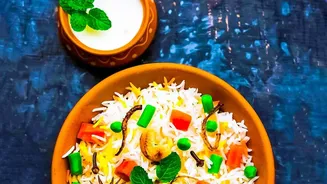
The water_to_millet ratio is critical. For a fluffy texture, a 1:_to_2 ratio of millet to water is standard. So,_for one cup of millet,_you will add two cups of water._Bring the mixture to a rolling boil._If you are cooking in a pot,_reduce the heat to low,_cover the pot tightly,_and let it simmer for about 15-_to_20 minutes,_or until all the water is absorbed._Do not open the lid or stir during this time._If using a pressure cooker,_close the lid and cook for about two whistles on a medium flame._Once cooked,_turn off the heat and let it rest,_covered,_for at least five to ten minutes._This allows the grains to firm up._Finally,_open the lid and gently fluff the pulao with a fork._Garnish with fresh coriander leaves and serve hot with a side of raita or plain yoghurt.