

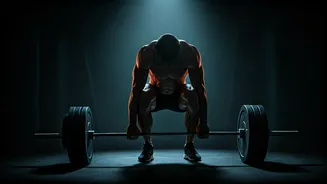


The Illusion of Perfection
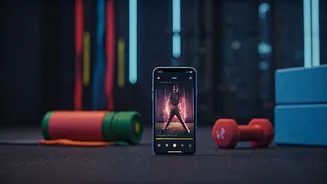
The first thing to remember is that social media is a highlight reel. [9] Fitness influencers often present a polished, filtered, and highly curated version of their lives and bodies. [7] These short videos are designed to be eye-catching, often featuring
perfect lighting, flattering angles, and only the successful repetitions of an exercise. [8] What you don't see are the struggles, the off-days, the genetic advantages, or the years of consistent, unglamorous hard work. [7] Research has found that exposure to these idealized images can lead to body dissatisfaction and negative moods. [2, 17, 21] One 2023 study even found that almost two-thirds of popular fitness influencer accounts promoted unrealistic or unhealthy body shapes. [2] Believing this illusion of perfection sets an unattainable standard and can make your own, very real progress feel inadequate.
The Danger of Bad Advice
Beyond the psychological impact, there's a real physical risk. Many popular fitness influencers lack formal education or certification in exercise science or nutrition. [2, 22] A study at the University of Alberta found only 16.4% of fitness professionals studied had any certifications. [22] This leads to a flood of misinformation, from dangerous workout trends with poor form to questionable diet plans. [9, 22] A performance coach noted that without a scientific understanding, influencers risk putting their followers in situations with "negative and detrimental consequences." [2] Attempting complex movements or following a "no pain, no gain" mentality without proper guidance can lead to injury, burnout, and physical setbacks. [2, 23]
From Inspiration to Toxic Comparison
What often starts as a search for motivation (“fitspiration”) can quickly turn into a cycle of negative self-comparison. [9, 15] This constant exposure to seemingly perfect bodies can trigger feelings of anxiety, depression, and self-doubt. [2] Instead of feeling motivated, many people end up feeling disheartened because their real-world results don't match the instant transformations they see online. [9] This comparison culture can be so powerful that it disrupts the normally positive link between exercise and mental health; some studies show that followers of fitness influencers report higher levels of distress, anxiety, and depression than non-followers. [16] Remember, fitness is a personal journey, and your progress should only be measured against your past self.
Curate Your Feed for Health
The good news is that you can take control. Treat your social media feed like a garden and weed out the content that makes you feel bad. Unfollow or mute accounts that promote unrealistic standards or trigger feelings of inadequacy. Instead, actively seek out and follow certified professionals who provide evidence-based advice. [2, 7] Look for trainers with credentials like NASM (National Academy of Sports Medicine) or CSCS (Certified Strength and Conditioning Specialist). [8] Follow creators who focus on functional movement, mobility, and overall well-being rather than just aesthetics. [13, 14] Many qualified trainers offer simple, clear breakdowns of exercises, explain the 'why' behind movements, and promote a balanced, inclusive approach to fitness. [14]
Use Social Media as a Tool, Not a Rulebook
Social media doesn’t have to be the enemy. When used mindfully, it can be a powerful tool for accountability, community, and inspiration. [15] You can find new workout ideas (to be performed with caution), connect with like-minded people in virtual communities, and even share your own milestones to stay motivated. [4, 5, 6] The key is to use it as a source of inspiration, not comparison. [1] Take ideas, but adapt them to your own goals, needs, and abilities. [11] Your fitness journey is unique; it has a different starting point, different goals, and a different timeline than anyone you see on a screen. Focus on how you feel, the strength you're building, and the consistency you're developing—not on chasing a filtered ideal.