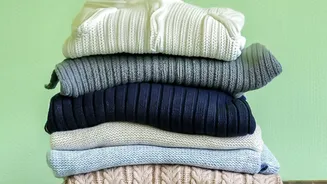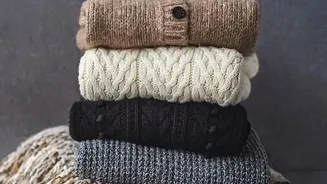





A beautiful woollen sweater is a winter staple, but one wrong move in the laundry can leave it sadly stretched. Understanding how to dry wool correctly is the key to preserving its shape, softness, and longevity for many seasons to come.
Understanding Why Wool Stretches
The secret to
wool's incredible warmth lies in its natural fibres. These fibres, however, become highly vulnerable when wet. Wool can absorb a significant amount of water, making a wet garment substantially heavier than a dry one. When you lift or hang a saturated woollen item, gravity pulls this extra weight downwards, putting immense strain on the pliable, water-logged fibres. This is what causes the irreversible stretching that can ruin the shape of your favourite jumper. Heat is another enemy; it can cause the microscopic scales on wool fibres to lock together, a process called felting, which permanently alters the fabric's texture and size. Proper drying is about gently removing moisture without subjecting the fibres to either weight-induced stretching or heat-related damage.
Step 1: Remove Excess Water Gently
After washing, your first task is to remove as much water as possible, but without any harsh movements. Never wring or twist a woollen garment, as this action directly stretches and damages the delicate wet fibres. Instead, carefully lift the item from the water, supporting its full weight with both hands. Gently press the water out between your palms. For a more effective method, lay a clean, thick towel on a flat surface. Place your garment flat on the towel, then roll the towel and garment up together into a log. Press down firmly on the rolled towel to absorb more moisture. Unroll and your garment will be damp rather than sopping wet, and ready for the next stage.
Step 2: The Golden Rule Is Flat Drying
The single most important rule for drying wool is to lay it flat. This method supports the entire weight of the garment evenly, preventing gravity from pulling it out of shape. You can lay the item on a fresh, dry towel on a flat surface like a bed or a clean floor. Even better is a mesh drying rack, which allows air to circulate on both sides of the garment, speeding up the drying time. As you lay the garment down, take a moment to gently pat and knead it back into its original shape and size. Smooth out the sleeves, align the seams, and ensure the hem is straight. This little bit of 'blocking' while damp helps the fibres dry in the correct position.
What You Must Absolutely Avoid
To protect your woollens, there are a few drying methods to steer clear of. Never hang a wet wool sweater on a clothesline or a hanger. The focused points of pressure from pegs or the hanger's shoulders, combined with the weight of the water, will almost certainly cause stretching and distortion. Also, avoid direct heat and sunlight. Placing wool over a radiator or in bright sun can cause uneven drying, lead to colour changes, and make the fibres brittle. Lastly, stay away from the tumble dryer unless the garment's care label explicitly states it is safe. Most wool is not treated to withstand the combination of high heat and friction in a dryer, which can lead to disastrous shrinking and felting.
Can a Stretched Sweater Be Saved?
If you've accidentally stretched a beloved sweater, don't despair immediately. You may be able to reshape it. The process involves re_wetting the fibres to make them pliable again. Submerge the sweater in a basin of lukewarm water for about 10 to 20 minutes. Some experts suggest adding a capful of hair conditioner to help relax the fibres. After soaking, carefully remove the excess water using the towel_rolling method described earlier. Then, lay the damp sweater on a flat surface and gently scrunch and push it back towards its original dimensions, paying close attention to the neckline, cuffs, and hem. Allow it to dry completely flat, and you may find it has returned much closer to its proper shape.