

The Allure of the Hills
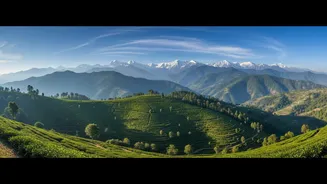
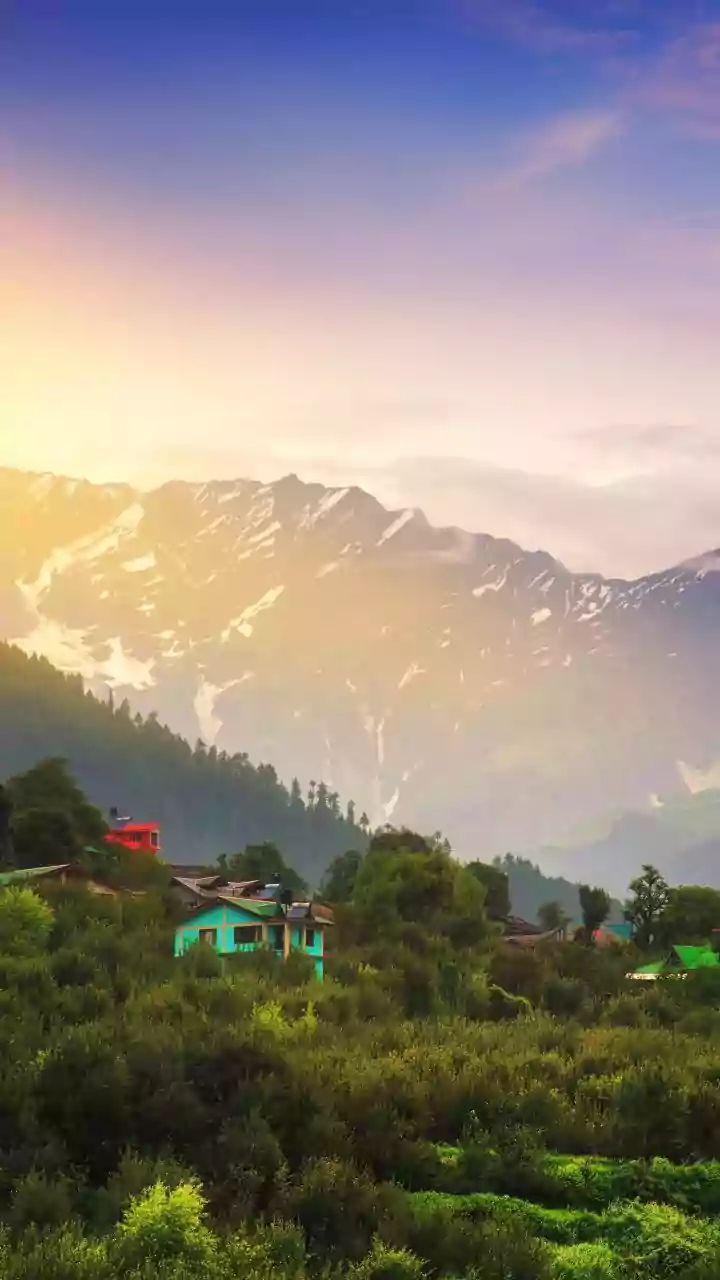
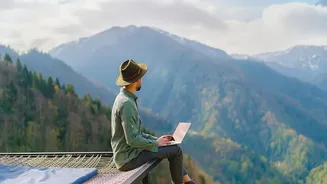
The “work from mountains” trend is more than just a hashtag; for many young Indians, it’s a full-blown lifestyle revolution. Tired of the urban grind, professionals are swapping cramped city apartments for homestays with Himalayan views. The appeal is clear:
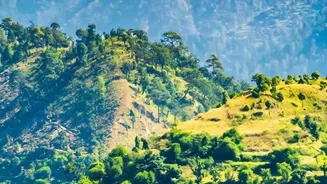
a chance to escape the chaos, breathe cleaner air, and find a healthier work-life balance. Destinations like Manali, Dharamshala, and the quieter corners of Tirthan Valley have become magnets for those seeking tranquility without sacrificing their careers. Studies have shown that immersion in nature can lower stress and boost cognitive performance, and these nomads are living proof, finding that the serene landscapes fuel creativity and focus.
A Day in the Life: More Than Just Work
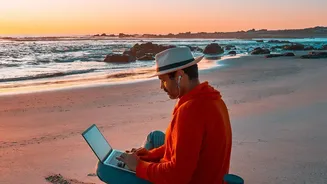
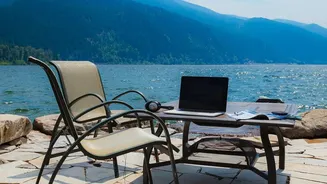
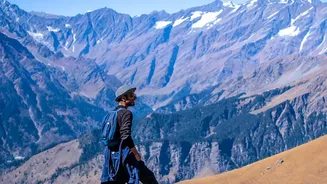
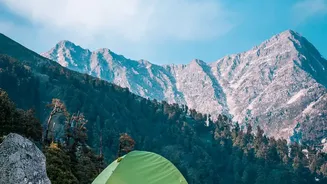
A typical day for a digital nomad in Himachal looks very different from a 9-to-5 schedule. Mornings might begin with a trek to a nearby waterfall or a yoga session overlooking the valley, followed by focused work hours at a cafe with mountain views. The afternoons are for deadlines and video calls, powered by surprisingly robust internet in many areas. Evenings are often spent connecting with fellow travellers around a bonfire, exploring local markets, or simply stargazing. This rhythm is less about rigid schedules and more about blending productivity with personal well-being. It’s a deliberate shift to a slower, more intentional pace of life where work is a part of the day, not the entire day.
The Reality Check: Not a Permanent Vacation
While Instagram feeds paint a picture of effortless bliss, the reality has its challenges. Reliable internet, while vastly improved, can still be a major hurdle, with 87% of digital nomads citing it as their top concern. Sudden weather changes can lead to power outages, making a power bank or backup inverter an essential part of the toolkit. Furthermore, life in the mountains can be lonely, and the cost of living in tourist-heavy spots can be higher than expected. Successfully navigating this lifestyle requires a mindset of adaptability and preparedness, proving it is far from a permanent holiday.
Finding Community in the Mountains
To combat the challenges and enhance the experience, a network of co-living and co-working spaces has emerged across Himachal. Places like AltSpace in Dharamshala, NomadGao in Dharamkot, and various hubs in Manali and Bir offer more than just a desk and fast Wi-Fi. They provide a built-in community. These spaces host workshops, skill-sharing sessions, and social events, fostering connections among entrepreneurs, freelancers, and remote workers from diverse fields. They offer a solution to the isolation some may feel, creating a vibrant social fabric where collaborations are born and friendships are forged against a Himalayan backdrop.
The Impact on Himachal's Landscape
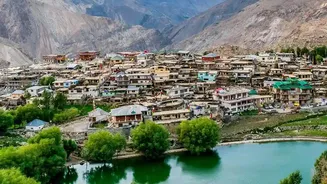
The influx of long-stay digital nomads is reshaping local economies. While the trend offers a steady, year-round income for small hotel owners, homestays, and cafes, it also places a strain on fragile mountain ecosystems and resources. The surge in tourism, accelerated by improved infrastructure like the Atal Tunnel, has raised concerns about waste management and water stress. This has sparked a conversation about the need for sustainable, community-governed tourism that balances economic benefits with conservation. The digital nomad is not just a visitor but is becoming part of a complex, evolving relationship between modern work culture and ancient landscapes.