


The Heart of the Feast: Milk and Dairy
Lord Krishna’s stories are intrinsically linked with milk, butter (makhan), and curd (dahi). His childhood tales of playfully stealing freshly churned butter are legendary, making dairy the undeniable soul of the Janmashtami menu. For any simple festive
preparation, these ingredients are non-negotiable. Fresh, full-fat milk forms the base for countless sweets, including kheer and panchamrit. White butter, often paired with rock sugar (mishri) to make the classic Makhan Mishri offering, is a must-have. Ghee, or clarified butter, is the primary cooking medium, used for frying puris, roasting ingredients for panjiri, and adding a rich aroma to almost every dish. A bowl of fresh, creamy curd is also essential, served on its own or used in preparations like Gopalkala.
Fasting Flours and Grains
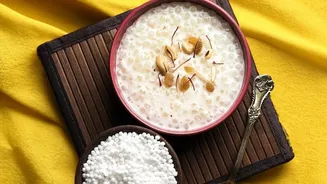
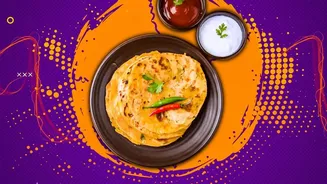
Many devotees observe a fast (vrat) on Janmashtami, abstaining from regular grains like wheat and rice. This has given rise to a unique pantry of fasting-friendly flours and grains. Singhare ka atta (water chestnut flour) and kuttu ka atta (buckwheat flour) are staples for making puris, parathas, and halwa. Rajgira (amaranth) flour is another popular choice, known for making light and crispy puris. Sabudana, or tapioca pearls, is incredibly versatile and used to prepare the beloved Sabudana Khichdi—a savoury dish that provides energy throughout the day. For those who miss rice, samak ke chawal (barnyard millet) serves as an excellent substitute, perfect for making a simple pulao or a creamy kheer.
Essential Spices, Vegetables, and Sweeteners
A simple Janmashtami meal relies on a select group of vegetables and sattvik spices that are permissible during a fast. Potatoes are the hero vegetable, used in everything from a simple jeera aloo sabzi to a filling for fasting cutlets (tikkis). When it comes to seasoning, regular table salt is replaced with sendha namak (rock salt). The primary spices used are cumin seeds (jeera), green chillies, and fresh coriander, which add flavour without being overpowering. For sweeteners, sugar and jaggery are widely used, but mishri (rock sugar) holds a special place, particularly in offerings like Makhan Mishri and Panchamrit. A splash of lemon juice is also handy to add a bit of tang to savoury dishes.
Ingredients for Prasad and Sweets
No festival is complete without sweets, and for Janmashtami, the offerings (bhog or prasad) are central to the celebration. Dhaniya Panjiri is a unique prasad made specifically for this occasion. Its key ingredients are coriander seed powder, ghee, powdered sugar, and a mix of nuts. For another simple yet profound offering, Panchamrit is prepared by combining five 'nectars': milk, curd, honey, ghee, and sugar. Makhana (fox nuts) are a versatile ingredient, either roasted with ghee for a simple snack or used to make a rich and creamy kheer. Finally, an assortment of nuts like almonds, cashews, and pistachios, along with dried coconut, are essential for garnishing sweets and adding richness to dishes like panjiri and kheer.