
1. The Art of Layering Textiles
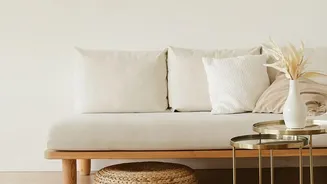
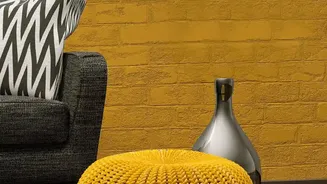
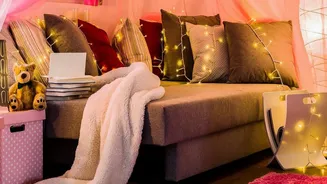
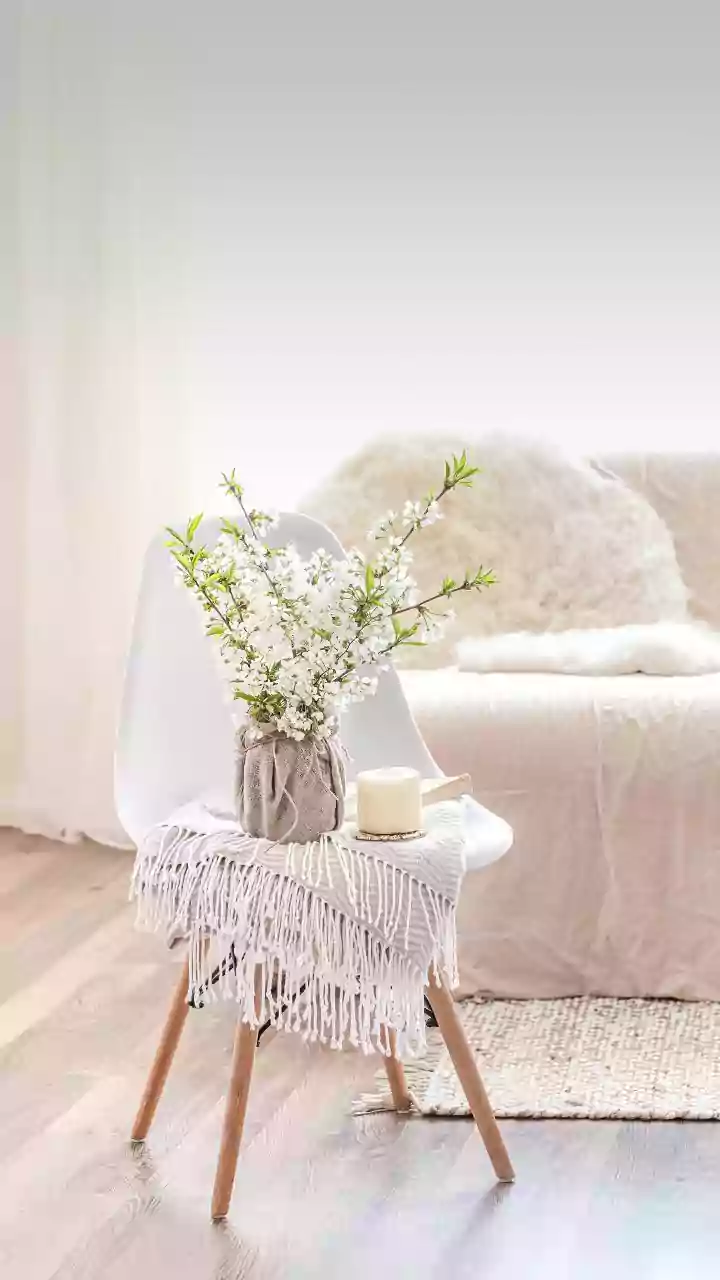
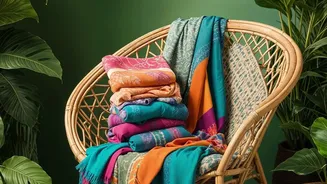
One of the quickest and most effective ways to introduce texture is by layering different fabrics. Think beyond single cushions on a sofa; the goal is to create a rich, touchable landscape. Start with a neutral base, like a simple cotton or linen sofa,
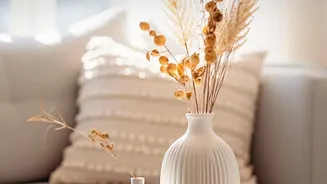
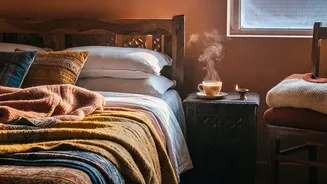
and build from there. Add a chunky knit throw draped over one arm. Then, arrange a variety of cushions in different materials—a rough-spun jute or khadi cover, a soft velvet one, and perhaps another with some simple embroidery or block-printing. The key is to vary the feel and weave of each piece. This technique also works beautifully on a bed, where you can layer sheets, a thin quilt or coverlet, and a folded duvet at the foot to create a cosy, inviting retreat. Don’t be afraid to mix and match; as long as you stick to a complementary colour palette, the different textures will work together to make the space feel intentionally designed and incredibly comfortable.
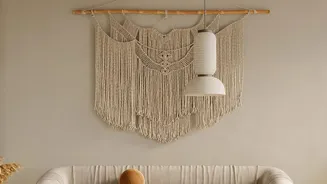
2. Create Your Own Fabric Wall Hanging
Instead of buying expensive framed art, turn to fabric for a unique and affordable statement piece. Fabric wall hangings add softness and absorb sound, making rooms feel calmer. You can find beautiful, inexpensive pieces of block-printed cotton, kalamkari, or even simple, elegant handloom cloth at local markets. For a simple DIY project, stretch a piece of visually interesting fabric over a basic wooden frame or a second-hand canvas. Another approach is to create a more sculptural piece by dipping fabric in a mixture of plaster or glue and draping it over a canvas to dry, forming permanent, hardened folds that create a stunning 3D effect. Even framing smaller, leftover swatches of fabric in simple black frames can create a curated gallery feel. This approach allows you to bring colour, pattern, and a handcrafted feel to your walls without a significant investment.
3. Elevate the Humble Terracotta Pot
Terracotta, or 'baked earth', is a timeless material that brings natural warmth and an earthy texture to any space. While commonly used for plants, its decorative potential goes far beyond the garden. Group a few empty terracotta pots of varying sizes in a corner or on a shelf to create a simple, sculptural display. Their rustic, orange-brown hue pairs beautifully with whites, blues, and greens. Use smaller pots on a desk to hold pens, on a kitchen counter for utensils, or on a bookshelf as simple decorative objects. Because the material is porous and natural, it provides a welcome contrast to the smooth, hard surfaces often found in modern homes. They can be left in their natural state or painted to match your decor, offering a versatile and extremely budget-friendly way to add texture.
4. A Gallery Wall of Ceramic Plates
Move over, photo frames—a gallery wall made of ceramic plates is an unexpected and charming way to create a focal point. This idea, reminiscent of heritage homes, is making a stylish comeback. You can gather an eclectic collection from local markets, thrift stores, or even your own cupboards. The beauty lies in mixing and matching different shapes, sizes, and patterns. Arrange them in a thoughtful cluster on a prominent wall, like behind a dining table or in an entryway. To create a modern look, don't worry about perfect matching; instead, aim for a cohesive feel through a loose colour theme. You can find simple wire plate hangers or use strong adhesive strips for a renter-friendly option. This approach turns everyday functional items into a unique art installation that tells a story and adds three-dimensional texture to your walls.
5. Embrace Natural Jute and Coir
For instant texture that feels both rustic and chic, incorporate natural fibres like jute and coir. These materials are derived from plants found widely in India and are known for their strength and coarse, woven texture. A jute rug is one of the easiest ways to ground a living room or bedroom, adding warmth and a natural feel underfoot. It serves as an excellent anchor piece that pairs well with both modern and traditional furniture. Beyond rugs, you can use jute in smaller doses. Think woven placemats on a dining table, coasters, or storage baskets used to hold blankets or magazines. These items are not only functional but also add a layer of organic texture that can soften a room and make it feel more connected to nature. Jute is durable, eco-friendly, and typically very affordable, making it a smart choice for stylish, textured decorating on a budget.