







From Oil Wells to Your Vehicle
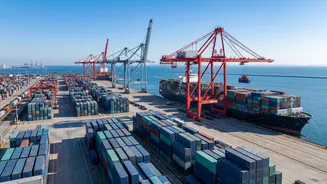
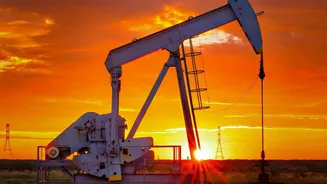
The price you pay for petrol or diesel begins its journey thousands of miles away. India imports nearly 90% of its crude oil, making the nation highly susceptible to global price fluctuations. This imported crude is purchased in US dollars, so a weaker
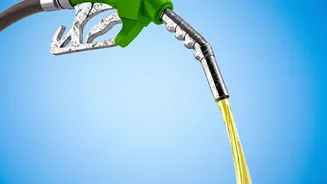
rupee can increase costs even if oil prices remain stable. Once the crude oil arrives, it is refined into petrol and diesel. The price charged to petrol pump dealers is a combination of this base cost, refining charges, and margins for the oil marketing companies. However, this is just the starting point and accounts for less than half of the final price you see on the board.
The Heavy Hand of Taxes
A major reason fuel is expensive in India is taxation. Both the central and state governments levy significant taxes on petrol and diesel. The central government imposes a fixed excise duty, which includes various cesses for infrastructure development. On top of that, each state applies its own Value Added Tax (VAT), which is a percentage of the price. This is why fuel prices can vary dramatically from one state to another; a state with higher VAT will have more expensive fuel. Combined, these central and state taxes can constitute anywhere from 40% to over 55% of the retail price of petrol and diesel, meaning a large chunk of your fuel bill goes directly to government coffers.
The Ripple Effect on Your Grocery Bill
The impact of high fuel prices extends far beyond your personal vehicle. The most significant ripple effect comes from diesel, the lifeblood of India's logistics network. An overwhelming majority of goods in India are transported by trucks, which run on diesel. When diesel becomes more expensive, the cost of transporting everything from fresh vegetables and milk to packaged consumer goods and industrial materials goes up. This increased freight cost is inevitably passed on to consumers in the form of higher prices at the market, a phenomenon known as cost-push inflation. So, when fuel prices rise, you can often expect your monthly grocery and household expenses to follow suit.
Making Travel More Expensive
For travellers, the pain is twofold. Higher petrol and diesel prices make daily commutes and road trips more costly, directly straining household budgets. But the impact is also felt in the skies. Airlines are massive consumers of fuel, with Aviation Turbine Fuel (ATF) accounting for a large portion of their operating expenses—sometimes as much as 40% for low-cost carriers. When crude oil prices surge, ATF prices rise, and airlines often pass this extra cost on to passengers through higher ticket prices or fuel surcharges to protect their margins. While government intervention sometimes tries to stabilise ATF prices, a sustained rally in crude oil almost always translates to more expensive air travel.
The Bigger Economic Picture
On a national level, persistently high oil prices create broader economic challenges. As an import-heavy nation, India's import bill swells, which can widen the country's current account deficit—the gap between what it earns and spends in foreign currency. This can put pressure on the rupee, potentially making all imports, not just oil, more expensive. Furthermore, rising fuel-driven inflation can force the Reserve Bank of India to maintain higher interest rates to keep prices in check, which can slow down overall economic activity. For businesses, especially in sectors like paints, chemicals, and manufacturing, high oil prices mean higher input costs, which can squeeze profits and hinder growth.