


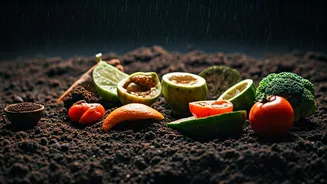


Why Bother with Composting?
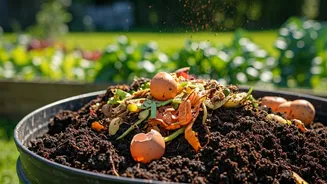
Before you start picturing piles of waste, let's talk about the incredible benefits. Every year, Indian cities generate millions of tonnes of waste, a significant portion of which is organic matter from our kitchens. When this food waste ends up in landfills,
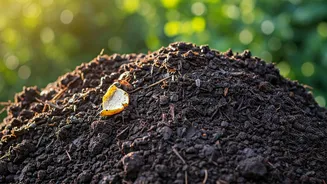
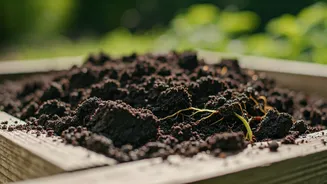
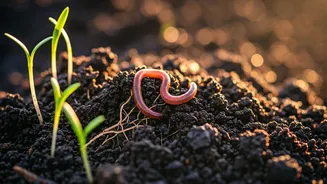
it decomposes without oxygen, releasing methane—a potent greenhouse gas. By composting, you divert this waste from the landfill. But the benefits are much more personal. You are essentially creating 'black gold' for your plants. This nutrient-rich compost is a free, all-natural fertilizer that improves soil structure, helps it retain moisture (meaning less watering!), and promotes healthier, more robust plants, whether they are in your garden, pots, or balcony planters. It’s a closed-loop system in your own home: food scraps become food for your soil, which in turn helps grow more food or beautiful flowers.
The Science: 'Greens' and 'Browns'
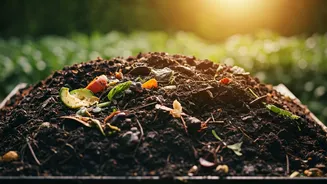
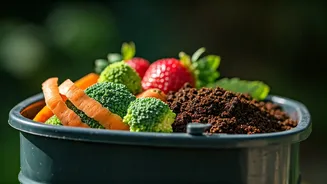
Successful composting isn't magic; it's simple science based on balancing two key ingredients: 'greens' and 'browns'. Think of it as making a balanced meal for the microorganisms that will do all the hard work. 'Greens' are materials rich in nitrogen. These are typically wet, fresh items from your kitchen. Think vegetable peels, fruit scraps, coffee grounds, tea leaves, and fresh grass clippings. They provide the protein and moisture for the tiny decomposers. 'Browns' are materials rich in carbon. These are dry, woody items like dried leaves, twigs, crushed eggshells, sawdust, shredded newspaper, and cardboard (without glossy prints or plastic tape). They provide energy for the microbes and create air pockets in the pile, preventing it from becoming a smelly, slimy mess. The ideal ratio is roughly two to three parts browns to one part greens. Don’t stress about getting it perfect initially; it’s more of a guideline than a strict rule.
What to Compost (and What to Avoid)
Knowing what to add to your compost bin is crucial for a healthy, odour-free process. A good rule of thumb is to stick to plant-based materials. Here’s a quick guide: **YES, please add these:** - Fruit and vegetable scraps (peels, cores, ends) - Coffee grounds and paper filters - Tea bags and loose tea leaves - Crushed eggshells - Dry leaves, grass clippings, and plant trimmings - Shredded newspaper, cardboard, and paper towels - Nut shells (crushed) **NO, keep these out:** - Meat, fish, and bones (they attract pests and create bad odours) - Dairy products (cheese, milk, yogurt) - Oily or greasy foods - Pet waste (can contain harmful pathogens) - Diseased plants (you don’t want to spread plant diseases) - Plastics, glass, and metals
Choosing Your Composting Method
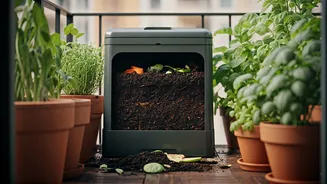
You don't need a huge garden to start composting. There are solutions for every space. For those with a backyard, a simple open pile or a large enclosed bin works well. You can build one yourself or buy a ready-made one. For apartment dwellers or homes with limited space, a compact composting system is ideal. In India, terracotta pots like the 'Kambha' are extremely popular. These are multi-tiered stackable systems designed for urban homes. They are neat, space-efficient, and manage moisture well, which is important in our climate. You can also use a simple bucket with holes drilled in it for aeration. The key is to choose a method that fits your lifestyle and the amount of kitchen waste you generate.
Your Simple Starter Guide
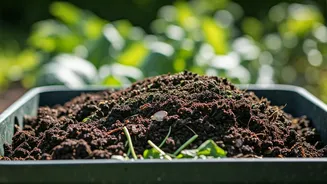
Ready to start? Here’s how. First, collect your 'browns'—start a bag of dry leaves or shredded cardboard. Next, start collecting your kitchen 'greens' in a small container with a lid. Once you have a decent amount of both, it's time to build your pile. Start with a thick layer of browns at the bottom of your bin for aeration. Then, add a layer of your greens. Cover the greens with another layer of browns. This layering technique helps balance moisture and prevent odours. Continue this process every time you add new scraps. Your compost should be moist, like a wrung-out sponge, but not soaking wet. If it’s too dry, sprinkle some water. If it’s too wet, add more browns. Every week or two, use a small rake or a stick to turn or mix the pile. This introduces oxygen, which speeds up decomposition. In a few months, you'll find dark, crumbly, earthy-smelling compost at the bottom of your bin, ready to nourish your plants.