





Stop the Constant Flow
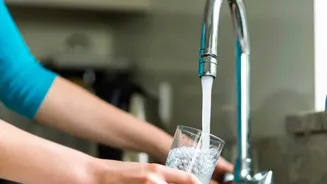
One of the most common yet wasteful habits is leaving the tap running while brushing, shaving, or washing hands. An open tap can waste over six litres of water every minute. Consider a family of four brushing their teeth twice a day with the tap on; they
could be wasting nearly 100 litres daily. The fix is simple: wet your brush, turn off the tap, and only turn it back on to rinse. The same principle applies when washing your hands—turn off the water while you lather up with soap. This small adjustment can save thousands of litres of water per household each year.
Rethink Your Bathing Routine
Long showers and full bathtubs are significant water drains in Indian homes, accounting for a large portion of daily water use. A standard bathtub can use well over 100 litres of water, while a typical shower uses about seven litres per minute. Switching from a long shower to a quicker one, or embracing the traditional bucket bath, can drastically cut consumption. A bucket bath gives you better control, typically using only 15-20 litres. If you prefer showers, aim to keep them under five minutes and consider installing a low-flow showerhead, which can reduce water use by half without sacrificing pressure.
Put Your RO Wastewater to Work
Reverse Osmosis (RO) purifiers are common in urban homes, but they are notoriously inefficient, wasting several litres of water for every litre of purified water they produce. This reject water, often called greywater, typically goes straight down the drain. Instead of wasting it, collect this water in a bucket or container. While not fit for drinking or cooking, it is perfectly suitable for a variety of other household chores. You can use it to mop floors, wash your car, clean utensils, or water your plants. This simple habit of reusing RO wastewater effectively doubles the utility of the water you draw.
Wash Dishes and Vegetables Smarter
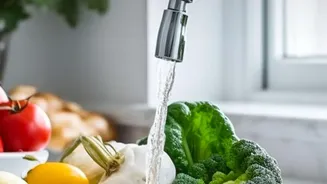
Washing vegetables or dishes under a constantly running tap is another major source of waste. A more water-efficient method for produce is to wash them in a bowl of water rather than under the tap. For washing dishes, instead of letting the water run while you scrub, try the two-basin method: fill one with soapy water for washing and another with clean water for rinsing. Soaking utensils with tough stains before washing can also reduce the need for excessive scrubbing under running water. If you use a dishwasher, make it a rule to only run it when it's completely full to maximise water and energy efficiency.
Run Only Full Loads of Laundry
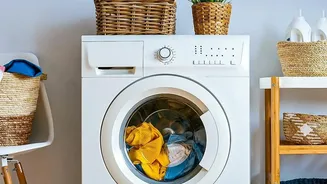
Laundry accounts for a significant amount of household water consumption, often around 15-20% of the total. A common mistake is running the washing machine with only a few items inside. Whether half-full or completely full, the machine uses a similar amount of water per cycle. To conserve water, make it a habit to only do laundry when you have a full load. Many modern machines also offer an 'eco' or 'water-saving' mode that uses less water and energy, so be sure to use it when available. The rinse water from your laundry can also be collected and repurposed for tasks like cleaning floors.
Become a Leak Detective
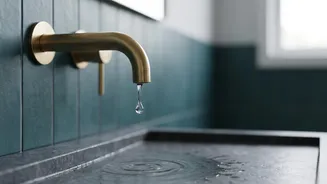
A slow drip from a tap or a silent leak in a toilet cistern might seem minor, but it can lead to staggering amounts of water waste over time. A single tap dripping once per second can waste thousands of litres in a year, while a leaking toilet can waste up to 200 litres every single day. Make it a regular practice to check all taps, pipes, and toilet flushes for leaks. A simple way to check your toilet is to add a few drops of food colouring to the tank; if the colour appears in the bowl without flushing, you have a leak that needs immediate fixing. Prompt repairs can save both water and money.