
Brilliant Venus in the Evening Sky
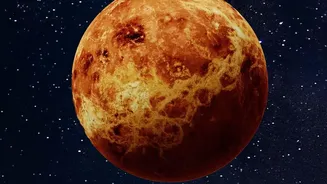
Throughout September, Venus will be a stunningly bright beacon in the western sky shortly after sunset. The planet reaches its greatest illuminated extent this month, making it exceptionally easy to spot even from urban areas with significant light pollution.
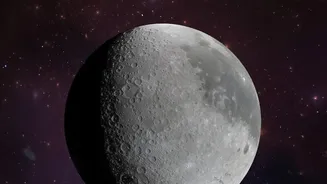
On September 14, look for a beautiful pairing as the crescent Moon passes close to the super-bright planet, creating a memorable sight in the twilight. Its peak brightness for the year occurs around September 18-22, so be sure to cast your eyes to the west as dusk settles.
Planet Parades in the Morning and Night
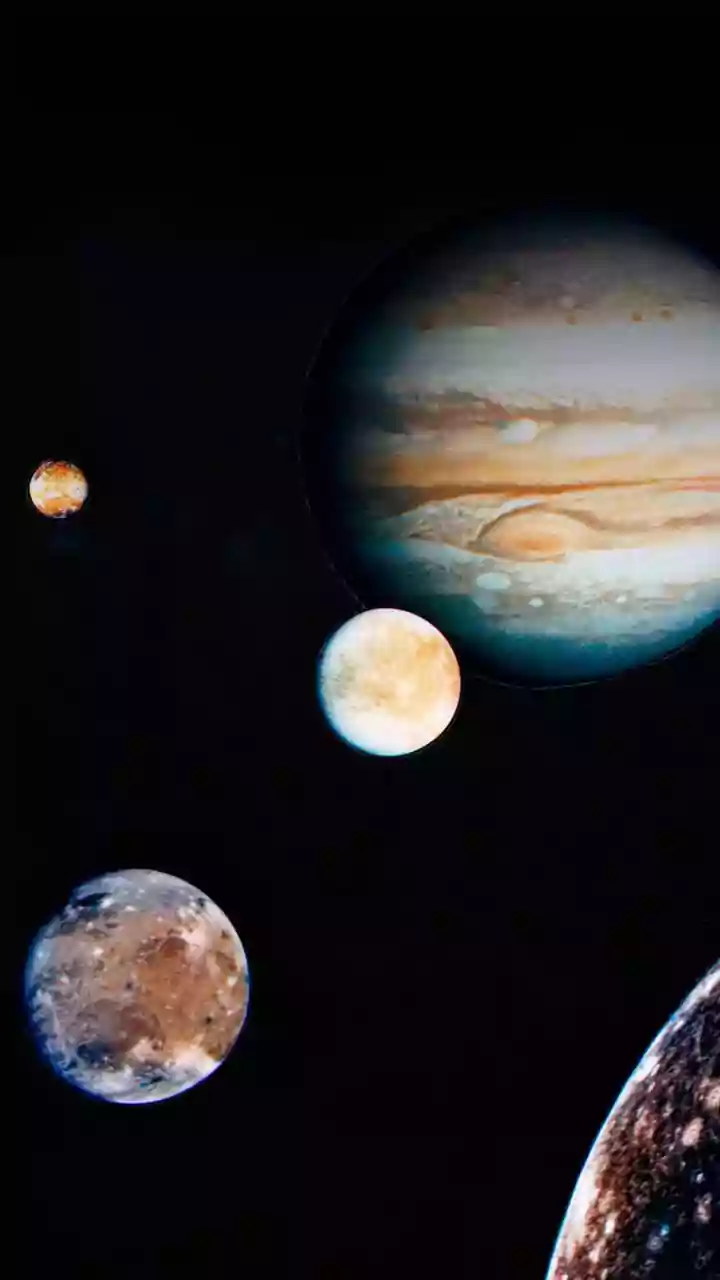
September is a fantastic month for planet-spotting. While Venus commands the evening, Jupiter and Mars hold court in the pre-dawn hours. Look for reddish Mars rising in the east a few hours before sunrise. On September 6, the waning crescent Moon will appear near Mars. Just two days later, on the morning of September 8, an even closer and more spectacular encounter occurs when the thin crescent Moon meets the very bright Jupiter. Meanwhile, yellowish Saturn will be visible for most of the night, rising in the east not long after sunset.
The Autumnal Equinox Arrives
The official start of autumn in the Northern Hemisphere, the autumnal equinox, arrives on September 22 or 23, depending on your time zone. This is the moment when the Sun crosses the celestial equator from north to south. While it's often said that day and night are of equal length on the equinox, this isn't strictly true due to atmospheric effects and how sunrise is measured. The day with truly equal hours of light and dark, known as the equilux, happens a few days later. For those in northern latitudes, the equinox also signals an increased chance of seeing the aurora borealis.
Catch Neptune at Its Brightest
The distant ice giant Neptune reaches opposition on September 26. This is when Earth passes directly between the Sun and Neptune, placing the planet at its closest and brightest for the year. Located in the constellation Pisces, Neptune will still be too faint to see with the naked eye, shining at a magnitude of +7.8. However, it will be an excellent target for those with binoculars or a small telescope, appearing as a tiny, blueish-green dot. On the same night, Saturn will be visible nearby, offering a chance to spot two gas giants in the same patch of sky.
The Famous Harvest Moon
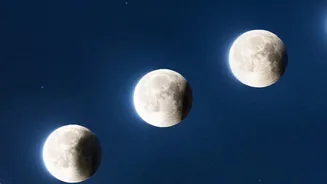
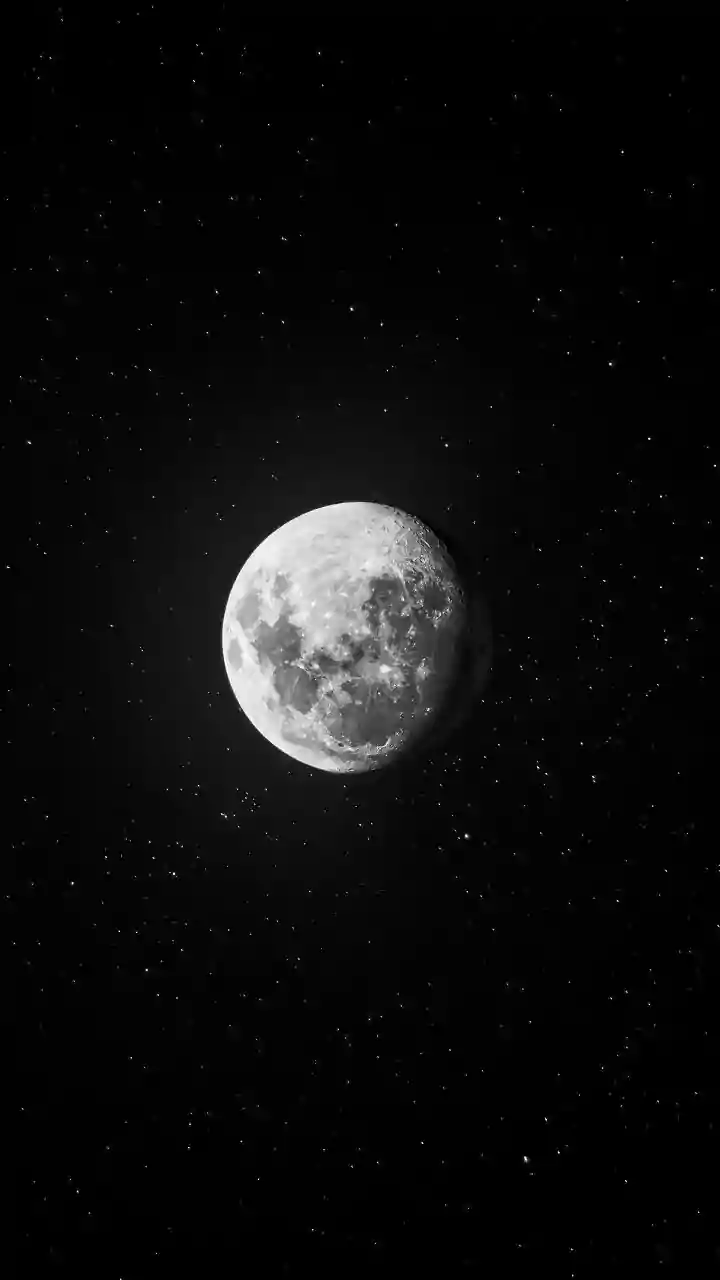
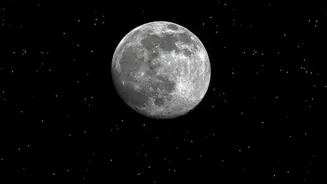
September’s full moon, which reaches its peak on September 26, is the famous Harvest Moon. This name is given to the full moon that falls closest to the autumnal equinox. Traditionally, its light helped farmers harvest their crops late into the evening. A unique characteristic of the Harvest Moon is that it rises at nearly the same time—close to sunset—for several evenings in a row in the Northern Hemisphere. This is caused by the shallow angle of the Moon's orbit relative to the eastern horizon in early autumn. As it rises, look for it to take on a beautiful golden-orange hue.
A Glimpse of the Zodiacal Light
For those in very dark, rural locations, the weeks surrounding the autumnal equinox offer a chance to spot a celestial phenomenon known as the zodiacal light. Often called the "false dawn," this is a faint, pyramid-shaped cone of light that appears in the eastern sky before sunrise in the autumn. It’s caused by sunlight scattering off dust particles orbiting the Sun in the plane of the solar system. To see it, you'll need to be far from city lights and look east about an hour or two before dawn, avoiding the nights around the full moon when the sky is too bright.