







A Gardener's Best Friend from India
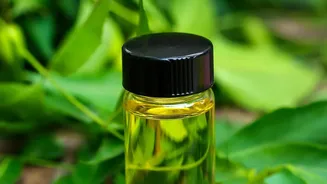
Neem oil is a natural vegetable oil derived from the seeds of the neem tree, known scientifically as Azadirachta indica, which is native to the Indian subcontinent. For centuries, it has been a cornerstone of traditional agriculture and medicine in India.
Its power lies in a compound called azadirachtin, which is a potent, natural insect repellent and growth disruptor. Unlike harsh chemical pesticides, neem oil works by interfering with the feeding and reproductive cycles of insects, gradually reducing their population without creating a toxic environment in your garden. It's biodegradable and generally considered safe for pets, wildlife, and beneficial insects like bees and earthworms when used correctly, making it an excellent choice for eco-conscious gardeners.
The Simple Three-Ingredient Recipe
Creating your own pest-fighting spray is incredibly easy. All you need is high-quality, cold-pressed neem oil, a mild liquid soap, and water. The soap is crucial as it acts as an emulsifier, allowing the oil and water to mix properly. For a standard one-litre spray bottle, a common and effective ratio is one teaspoon (about 5ml) of neem oil and half a teaspoon of mild liquid soap mixed into one litre of warm water. It's important to use warm water as it helps the oil dissolve more easily. Combine the soap and water first, mix well, and then slowly add the neem oil while stirring continuously. Pour the solution into your spray bottle, and be sure to use it within eight hours, as the active compounds in neem oil begin to break down once diluted. Always shake the bottle frequently during application to keep the mixture from separating.
What Pests Does Neem Oil Control?
This simple spray is a broad-spectrum solution effective against hundreds of pests. It works wonders on common soft-bodied insects that plague home gardens, such as aphids, mealybugs, whiteflies, spider mites, and thrips. The oil can suffocate these smaller insects on contact. For larger pests like caterpillars, beetles, and grasshoppers, the azadirachtin in the oil works as an anti-feedant and growth regulator. When pests ingest the oil from treated leaves, it disrupts their hormonal systems, preventing them from moulting, maturing, and laying eggs. This approach breaks the pest life cycle without the immediate 'knockdown' effect of chemical sprays, offering a more sustainable form of control.
Beyond Bugs: A Fungal Fighter
Neem oil’s benefits don’t stop at insects. It is also a potent fungicide, making it a 3-in-1 solution for your garden. It is highly effective at preventing and controlling common fungal diseases like powdery mildew, black spot, rust, and various blights. The oil works by preventing fungal spores from germinating and penetrating plant tissues. For best results against fungus, it should be used as a preventative measure or at the very first sign of disease. Regular application can keep your vegetable plants, roses, and other susceptible ornamentals healthy and free from the disfiguring marks of fungal infections.
How to Apply for Best Results
Timing and technique are key to using neem oil safely and effectively. The best time to spray your plants is in the early morning or late evening. Applying it in the midday sun can cause the oil to heat up on the leaves, leading to leaf burn or sun damage. Before spraying an entire plant, always perform a patch test on a single leaf and wait 24 hours to ensure there is no adverse reaction. When you spray, be thorough. Pests often hide on the undersides of leaves and in the joints of stems, so ensure you cover all surfaces of the plant. For active infestations, you may need to reapply the spray every 5 to 7 days. For preventative care, a spray every 10 to 14 days is usually sufficient.