






An Introduction to Methi
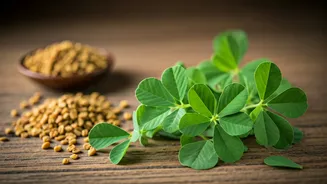
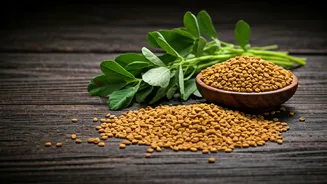
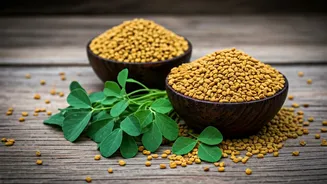
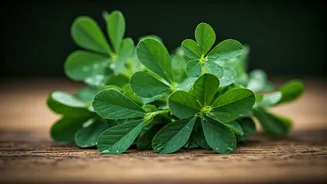
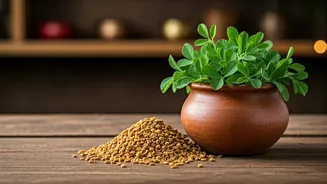
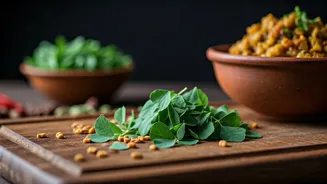
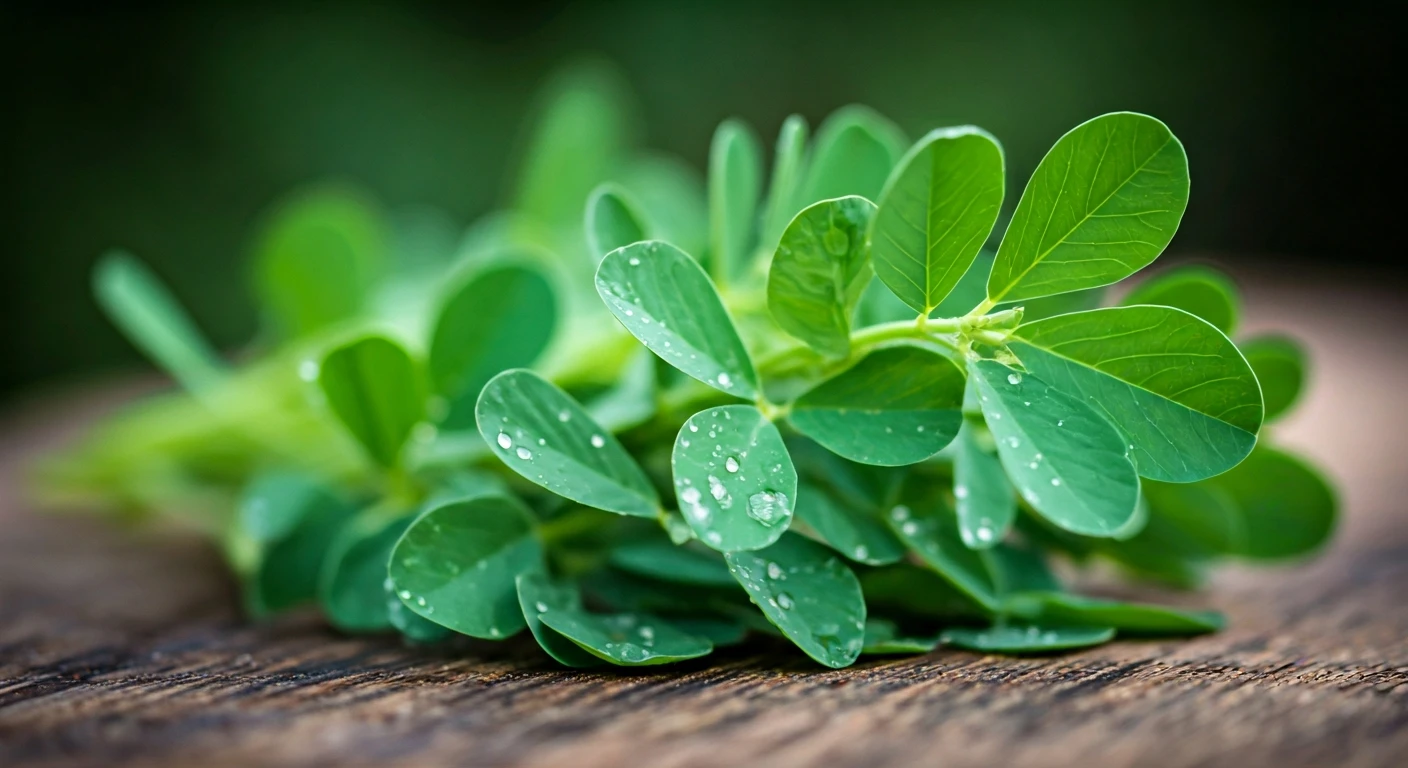
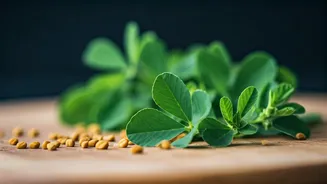
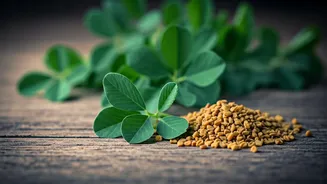
Fenugreek, known as methi in India, is a versatile plant used in many forms. While its hard, yellowish seeds are a staple spice, its leaves are prized as a potent herb and leafy green. You will find them in two main forms: fresh methi, which consists
of vibrant green leaves on tender stems, and kasuri methi, which are the leaves that have been dried. Fresh leaves have a brighter, more vegetal taste, while the dried version offers a more concentrated, earthy aroma and flavour. Both have the power to elevate a dish from mundane to memorable, but they are used in slightly different ways to achieve this effect.
A Uniquely Complex Flavor
The flavour of fenugreek is distinctive and hard to pin down. It carries a characteristic bitterness balanced by a deep, earthy and nutty profile, with an aroma often compared to a combination of celery, fennel, and maple syrup. This hint of burnt sugar or maple-like sweetness is thanks to a compound called sotolone, which mellows and deepens when cooked. It is this very complexity that makes methi so special. A simple dal or potato dish, when infused with fenugreek, gains a savoury depth and a lingering aroma that feels layered and sophisticated, making people wonder about your secret ingredient.
Transforming Everyday Dishes
The true magic of fenugreek leaves lies in their ability to enhance the simplest of meals. Aloo methi, a humble stir-fry of potatoes and fresh fenugreek leaves, is a perfect example of how the herb can turn a basic vegetable into a flavour-packed main or side dish. Adding a handful of fresh, chopped leaves to lentil soups like dal gives it a fragrant lift that permeates the entire dish. Dried kasuri methi is often crushed between the palms and sprinkled over rich curries like butter chicken or dal makhani just before serving. This finishing touch releases its essential oils, adding a beautiful aroma and a final layer of flavour that balances the richness of the gravy. Even simple flatbreads like paratha or thepla are transformed when fresh methi leaves are kneaded into the dough, imparting a savoury, herby note to every bite.
Tips for Taming the Bitterness
The signature bitterness of methi is a key part of its appeal, but it can be overpowering if not handled correctly. For fresh leaves, one popular technique is to separate them from the thicker, more bitter stems. Sprinkling salt over the chopped leaves and letting them rest for about 30 minutes before gently squeezing out the released water can also significantly reduce bitterness. Another method involves blanching the leaves in hot water with a little lemon juice for a few minutes before adding them to your dish. For kasuri methi, lightly toasting the leaves in a dry pan for a few seconds before use can mellow its flavour and enhance its nutty, sweet aromas.
More Than Just Flavour
Beyond its culinary prowess, fenugreek leaves are also valued for their nutritional profile. They are a good source of several vitamins, including A, C, and K, as well as minerals like iron and calcium. Traditional Ayurvedic practices have long celebrated methi for its various health-promoting properties, from aiding digestion to helping manage blood sugar levels. The high fiber content in both fresh and dried leaves contributes to good digestive health. So, when you add methi to your meals, you are not just adding flavour; you are also incorporating a nutritious green that has been cherished for centuries.