


The Tradition of Festive Feasting
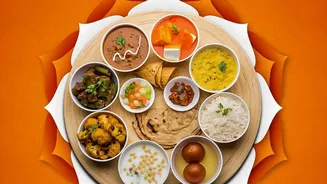
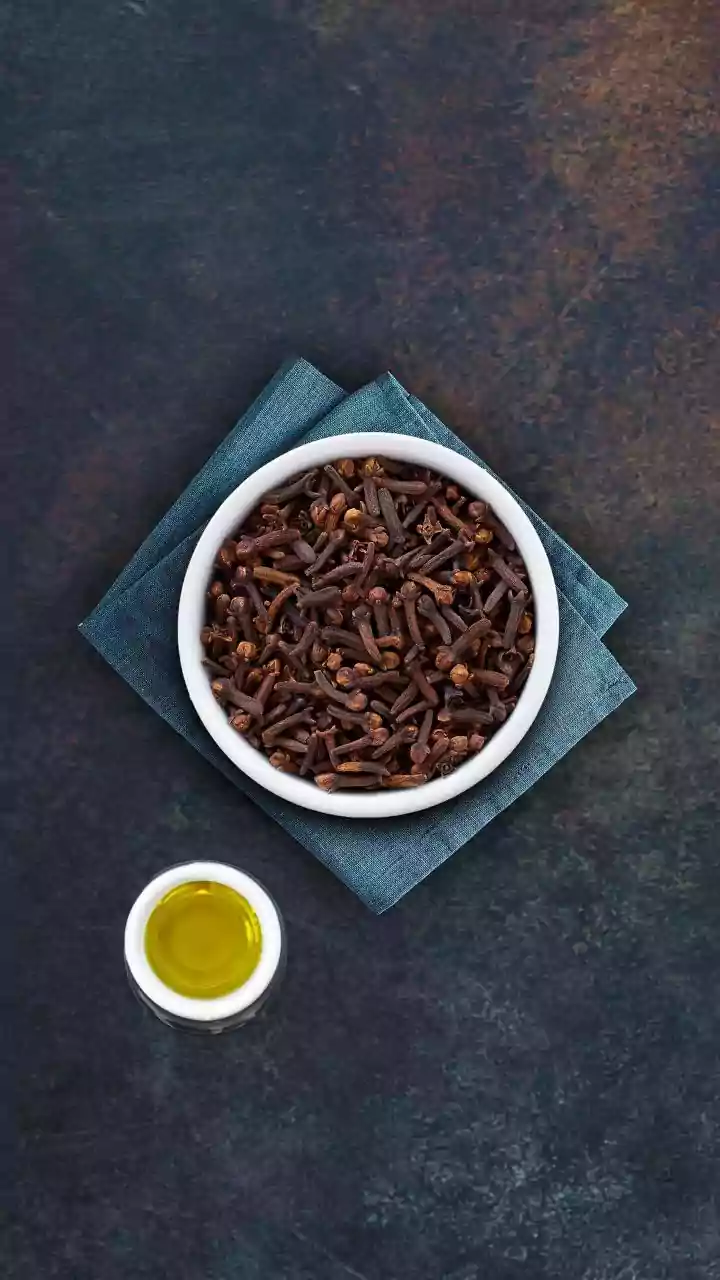
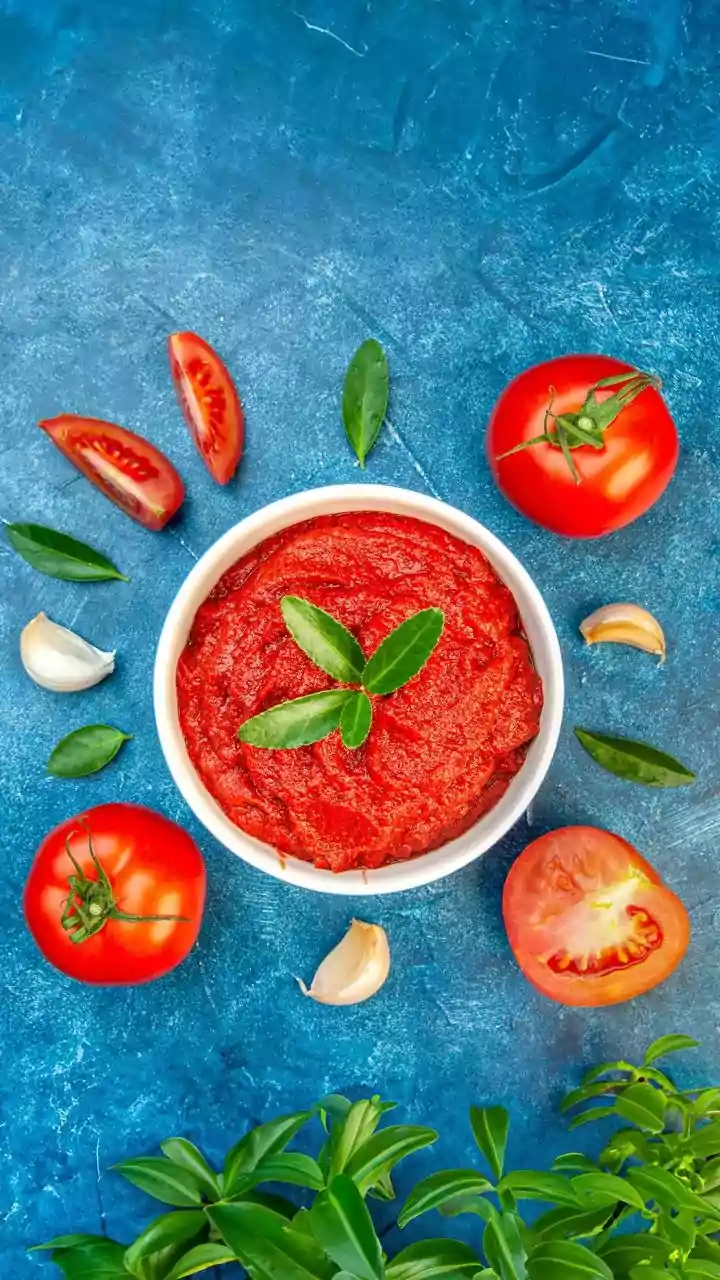
Food is central to Janmashtami celebrations, symbolizing devotion, abundance, and community. Devotees often observe a fast, breaking it at midnight, the time of Krishna's birth, with specially prepared sattvic dishes. These foods are made without onion,
garlic, or heavy spices, reflecting purity and reverence. The grand 'Chappan Bhog', an offering of 56 distinct dishes, is a legendary part of the festival, originating from the story of Krishna lifting the Govardhan Hill. While not every household prepares 56 items, the spirit of offering a variety of lovingly cooked meals remains. This tradition showcases India's immense culinary diversity, with each region adding its own unique flavour to the festivities.
Maharashtra's Savoury Gopalkala
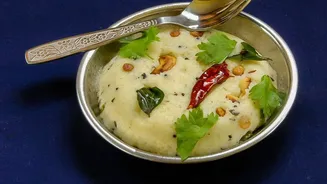
In Maharashtra, Janmashtami is synonymous with Dahi Handi, and the go-to prasad is Gopalkala. This dish is a fascinating mix of savoury, tangy, and sweet flavours, believed to be a favourite of the young Lord Krishna, who would share a similar mixture with his cowherd friends. The recipe is simple and requires no cooking, making it a quick and refreshing offering. It features soaked poha (flattened rice) mixed with yogurt, chopped cucumber, fresh coconut, and a tempering of ghee, cumin seeds, and green chillies. Some variations also include puffed rice, pomegranate seeds, and soaked chana dal, creating a delightful texture and taste that truly captures the playful spirit of the festival.
North India's Essential Dhaniya Panjiri
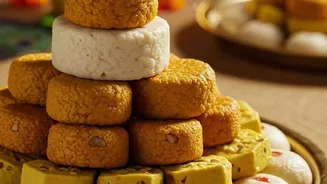
Across North India, especially in Uttar Pradesh, Punjab, and Delhi, no Janmashtami bhog is complete without Panjiri. While regular panjiri is made with whole wheat flour, the Janmashtami version often uses dhaniya (coriander powder) as its base, making it suitable for those fasting from grains. This unique preparation involves roasting coriander powder in ghee until it becomes fragrant and nutty. It's then mixed with powdered sugar, roasted makhana (fox nuts), grated coconut, and a generous amount of chopped nuts and dry fruits like almonds and cashews. The resulting dish is a crumbly, aromatic, and deeply flavourful sweet that is both a divine offering and a nutritious treat.
Bengal's Seasonal Delight: Taler Bora
In West Bengal and other eastern parts of India, Janmashtami coincides with the season of the 'tal' or Asian palmyra palm. This gives rise to the iconic Taler Bora, or sweet palm fritters, a delicacy prepared specially for the occasion. The recipe uses the sweet, fragrant pulp of the ripe palm fruit, which is mixed with rice flour, semolina, and grated coconut to form a thick batter. Sweetened with sugar or traditional jaggery, these small dollops of batter are deep-fried until they turn a deep golden brown. The result is a wonderfully soft, fluffy fritter with a slightly chewy texture and a unique, unforgettable flavour that is the very essence of a Bengali festive celebration.
South India's Crunchy Seedai
In the southern states, particularly Tamil Nadu, the festival, known as Gokulashtami, is celebrated with the preparation of Seedai. These are tiny, crunchy, deep-fried balls made from rice flour and urad dal flour, and they come in both sweet (Vella Seedai) and savoury (Uppu Seedai) versions. The savoury Uppu Seedai is seasoned with salt, asafoetida, and often cumin or sesame seeds, while the sweet Vella Seedai is made with jaggery syrup and flavoured with cardamom. The process is meticulous, requiring finely ground flour to prevent the seedai from bursting in the oil. These bite-sized snacks are considered a favourite of the child Krishna and are a staple offering in South Indian homes.