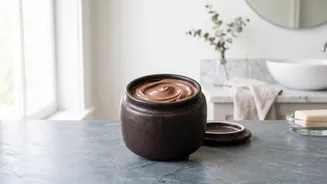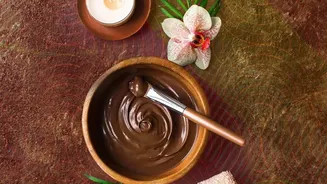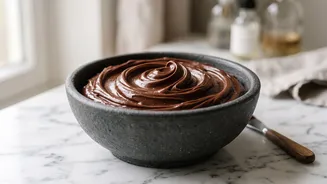






The idea of slathering your face in chocolate feels wonderfully indulgent. But beyond the luxurious scent, do these masks offer real skin benefits or just a sweet-smelling gimmick? Let's look past the hype and into the jar.
The Antioxidant Argument
The primary claim for chocolate's
skin benefits centres on its high antioxidant content. Dark chocolate is rich in flavonoids and polyphenols, compounds known for fighting free radicals. Free radicals are unstable molecules from pollution and UV exposure that can damage skin cells, leading to premature ageing. In theory, applying these antioxidants topically could help protect the skin. Studies have shown that cocoa contains more antioxidants than green tea and red wine. Research confirms that when applied to the skin, key antioxidants like catechin and epicatechin are delivered into the outer layer, the stratum corneum. This suggests that the core ingredient in a chocolate mask has the potential to offer real protective benefits against environmental stressors.
Not Just Any Chocolate
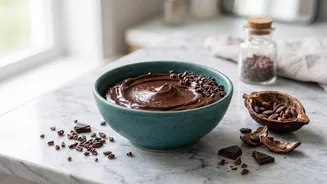
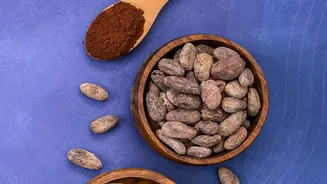
The type of chocolate used is critical. The benefits are found in the cocoa bean itself, specifically in dark chocolate with a high cacao content (often cited as 70% or more) and in pure cocoa powder. These forms contain the highest concentration of beneficial flavanols. In contrast, milk chocolate or chocolate products high in sugar and other additives are less likely to provide any significant skincare advantage. In fact, some pre-made masks might contain sugar or salt particles with jagged edges that could scratch and irritate the skin. It’s the cocoa that does the work, not the confectionery. Therefore, when evaluating a mask, the percentage and quality of the cacao are the most important factors.
What Else Is In The Jar?
Often, the 'glow' from a chocolate mask comes from its other ingredients. Cocoa butter, a natural emollient, is excellent for moisturizing and hydrating dry skin by creating a protective barrier to prevent water loss. However, the potent antioxidants are found in the cocoa powder, not the butter. Many commercial masks combine cocoa powder with other proven ingredients like clay (which helps control oil), hyaluronic acid (for hydration), or various plant oils and extracts. In these cases, the chocolate may be part of a team of effective ingredients. A dermatologist noted that a DIY mask mixing antioxidant-rich cocoa powder with yogurt, which contains pore-clearing lactic acid, can be beneficial. So, while cocoa provides antioxidants, the overall effect of a mask is heavily dependent on its complete formulation.
The DIY Chocolate Mask Pitfalls
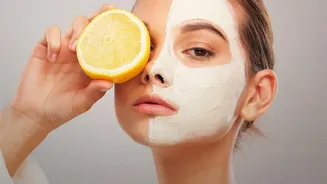
While making your own mask seems like a natural and cost-effective alternative, it comes with risks. Kitchen-grade ingredients are not formulated or tested for facial skin and can cause irritation, allergic reactions, or a damaged skin barrier. One dermatologist cautions that cocoa powder particles might be too large to penetrate the skin effectively, offering little more than a pleasant smell. Furthermore, using ingredients like raw eggs can introduce bacteria, while acidic additions like lemon juice can cause chemical burns, especially with sun exposure. Without preservatives, homemade concoctions can spoil quickly. If you do go the DIY route, it's crucial to use simple, proven combinations and always patchtest first.
Managing Your Expectations
While studies on eating dark chocolate show benefits like improved skin hydration, elasticity, and even some UV protection, the evidence for topical application is less robust but still promising. Topical cocoa powder can deliver antioxidants directly to the skin, which helps fight environmental damage. Chocolate face masks can help moisturize, reduce inflammation, and provide a sensory, relaxing experience. However, they are not a miracle cure for wrinkles or acne. Think of a chocolate mask as a beneficial supplement to your skincare routine, not a replacement for daily essentials like sunscreen and a proven cleansing regimen. It's a treatment that offers some genuine antioxidant and moisturizing benefits, wrapped in a delightfully decadent package.