





Choose Your Destination Wisely
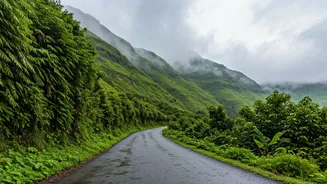
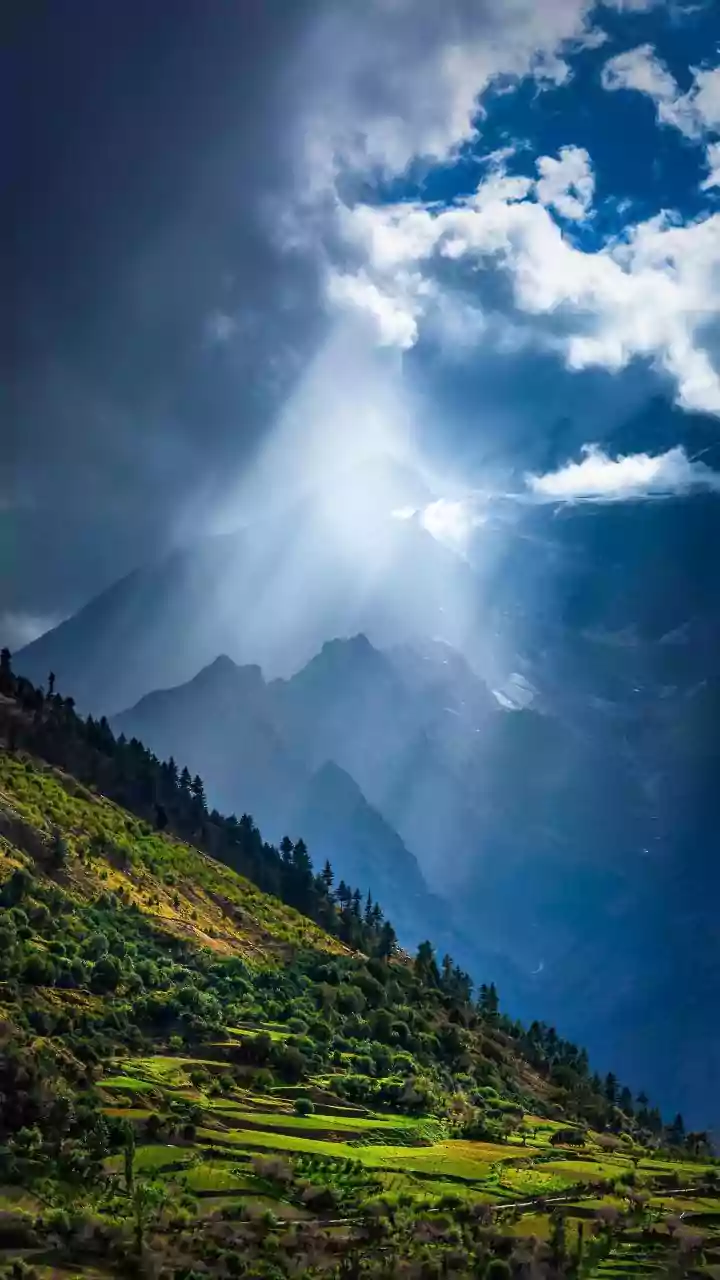
Not all of India is a postcard-perfect paradise during the monsoon. While the rain transforms regions like Kerala, Goa, and the Western Ghats into a breathtakingly green wonderland, it can make other areas inaccessible or dangerous. Mountainous regions in Himalayas,
like parts of Uttarakhand and Himachal Pradesh, are prone to landslides and should generally be avoided from June to September. Instead, consider destinations that come alive in the rain. The tea plantations of Munnar, the backwaters of Kerala, or the waterfalls around Lonavala and Mahabaleshwar are spectacular. Even a typically arid state like Rajasthan offers a unique, crowd-free experience with its freshly washed forts and vibrant green patches.
Pack for Dampness, Not Just Rain
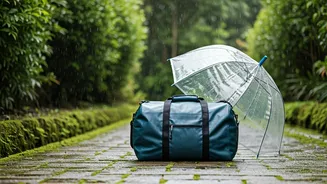
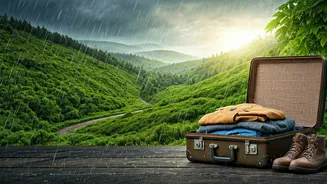
A rookie mistake is packing only for the rain; the real enemy is the pervasive dampness that follows. Cotton and denim are your worst enemies—they take forever to dry and feel heavy. Instead, build your wardrobe around synthetic, quick-dry fabrics like polyester and nylon. Pack at least two pairs of shoes: a sturdy pair of sandals or floaters with good grip for walking around, and a spare pair to wear while the other dries. Avoid leather at all costs, as it can be ruined by fungus. A lightweight, breathable rain jacket is far more practical than a bulky umbrella, which is useless in windy conditions. And a crucial secret: throw a few silica gel packets into your luggage and electronics bag to absorb moisture and prevent mildew.
Make Health a Non-Negotiable
The monsoon brings a higher risk of water-borne and mosquito-borne illnesses. Your health and safety should be your top priority. Stick to bottled or properly purified water, even for brushing your teeth. Be extra cautious about street food, especially items that may have been washed with untreated water or have been sitting out. Opt for hot, freshly cooked meals. Mosquitoes thrive in stagnant water, so a good quality insect repellent containing DEET is non-negotiable, especially during dusk and dawn. It’s wise to carry a basic medical kit with essentials for stomach upsets, allergies, and minor cuts, as reaching a pharmacy might be difficult in remote, rain-lashed areas.
Embrace the Slower Pace
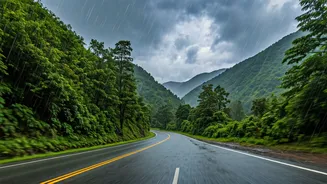
Monsoon travel requires a change in mindset. This is not the time for a tightly packed itinerary where every minute is scheduled. Delays are a feature, not a bug, of monsoon travel. Roads can get blocked, flights can be delayed due to poor visibility, and trains might run on a slower schedule. The secret is to build buffer days into your travel plan. Don’t schedule a critical flight immediately after a long road journey. Use the unexpected downtime to your advantage—read a book in a cosy café, enjoy an extra cup of tea, or simply watch the rain from your hotel balcony. This forced slowdown is part of the charm, allowing you to connect with a place more deeply.
Seek Out Monsoon-Specific Magic
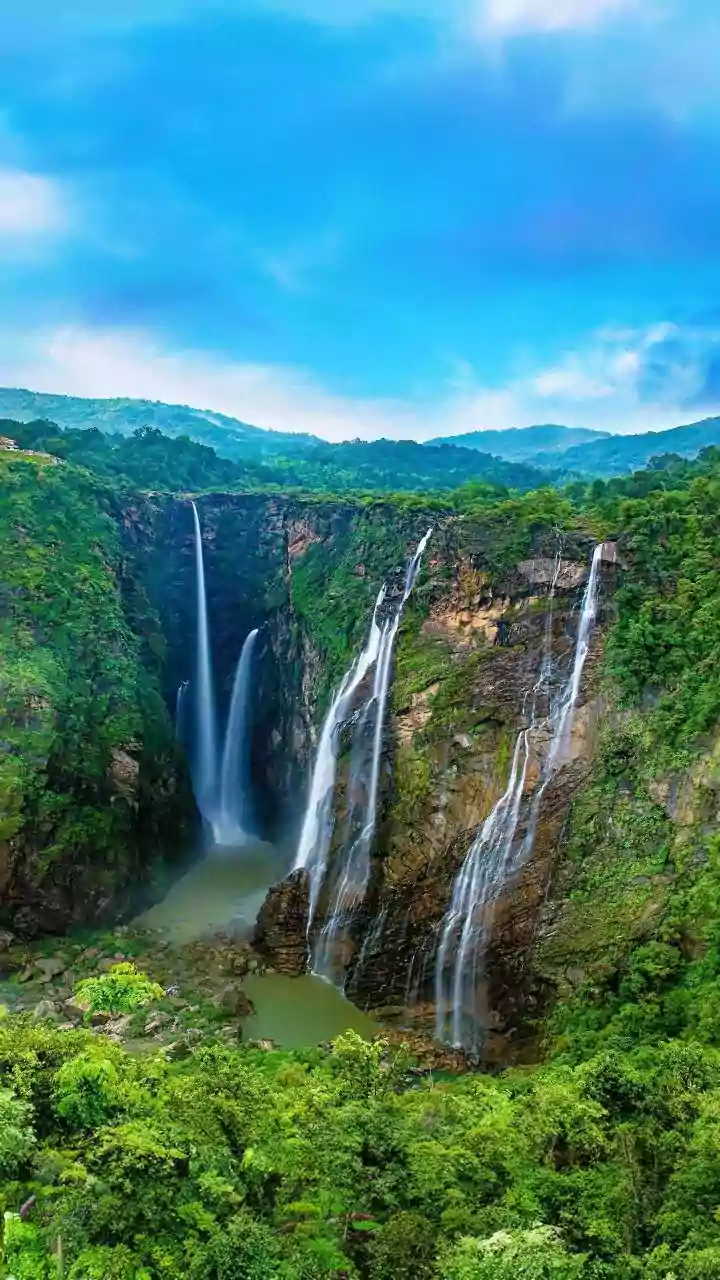
The best part of travelling in the monsoon is indulging in experiences that are only possible during this season. It's the best time for Ayurvedic treatments in Kerala, as the moist, cool air is believed to help the body absorb the therapies better. Go on a waterfall-chasing expedition in the Western Ghats, where thousands of temporary cascades spring to life. For the adventurous, white-water rafting on rivers swollen by the rains offers an adrenaline rush. In many places, the monsoon also means off-season prices and fewer tourists, giving you a more authentic and peaceful experience. Ask locals about seasonal delicacies, as many special dishes are prepared only during the rainy months.
Waterproof Your Digital Life
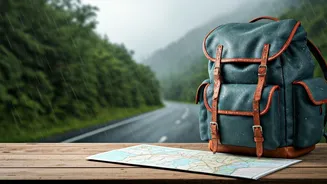
In a world where our phones are our maps, cameras, and wallets, protecting them from the rain is crucial. A simple Ziploc bag is a low-cost but effective solution. For those who plan to be more adventurous, investing in a proper waterproof phone pouch or a dry bag is a wise move. Dry bags are invaluable for protecting not just your phone but also your camera, power bank, and wallet during boat rides or treks. If you're carrying a laptop or other sensitive electronics, ensure your backpack has a reliable, built-in rain cover. Even a sudden downpour can wreak havoc on your gadgets, so being prepared to shield them in seconds can save you from a trip-ruining disaster.