

The Foundation of a Flawless Prep
Anyone who has tried to cram five days of lunches into a random assortment of old takeaway boxes and yoghurt tubs knows the frustration. A meal prep plan without a proper container strategy is destined to fail. The problems start small: a lid that won’t
quite close, a curry that leaks all over your bag, or not having a clean container when you desperately need one. These minor issues create friction, making you less likely to stick with the habit. Investing in a good set of containers isn't about buying more stuff; it's about removing obstacles between you and your goals, whether that’s eating better, saving money, or simply making your weekdays run more smoothly.
How Many Containers Are Enough?
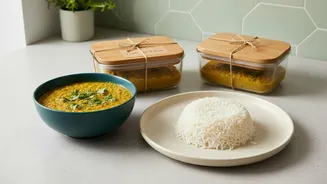
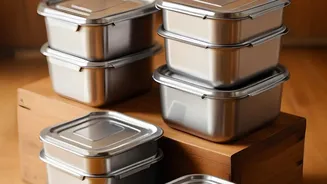
The magic number of containers depends on your lifestyle. For a single person prepping weekday lunches, a set of 6 to 8 medium-sized containers is a great starting point. A family of four will need more, likely 10-12 containers in various sizes to accommodate different meals and snacks. If you are a batch-cooking enthusiast who prepares large quantities of staples like dals, rice, or stews, having 15 to 20 containers, including several large ones, will ensure you have the flexibility to store everything. The key is to have enough containers to last through your prep cycle without having to wash them mid-week. A practical starter set for most people includes about five medium containers for main meals, a few smaller ones for snacks, and one or two larger ones for bulk storage.
The Great Debate: Glass vs. Plastic
The choice between glass and plastic is a major consideration. Glass containers are praised for their durability and safety. They don't absorb stains or odours, meaning your container won't taste like last week's rajma. Critically, glass is non-toxic and can go from the freezer to the microwave or even the oven (without the lid), making it incredibly versatile. The downside is that glass is heavier and can break. Plastic containers are lightweight, portable, and less expensive upfront. They are a practical choice for carrying to work or for kids' lunchboxes. However, look for BPA-free options, as some plastics can leach chemicals, especially when heated. Plastic can also warp, stain, and may need to be replaced more frequently than glass. For many, a hybrid approach works best: glass for home storage and reheating, and high-quality, BPA-free plastic for on-the-go meals.
Why Secure Lids Are Non-Negotiable
The headline says it all: a secure lid is everything. A container is only as good as its seal. Look for containers with locking tabs and a silicone or rubber gasket that runs along the perimeter of the lid. This design creates an airtight and leak-proof seal that prevents spills and keeps food fresher for longer by locking out air and bacteria. This is especially crucial for Indian cuisine, which often involves gravies and liquids. A flimsy lid is a recipe for disaster in a work bag or backpack. Before buying, test the lid. It should snap on firmly and require some effort to remove. A good seal gives you the confidence to transport soups, dals, and curries without fear.
From Chaos to Calm: Taming Your Container Cabinet
Owning enough containers is one half of the battle; storing them is the other. A chaotic container cabinet can be just as discouraging as not having enough. The most effective organisation method is to 'file, don't pile,' especially with lids. Store lids on their side in a drawer divider or a small dish rack so you can see and grab the one you need instantly. For the containers themselves, nesting similar shapes and sizes together saves a significant amount of space. If you have the cabinet real estate, storing each container with its lid on (but not sealed tight, to prevent mustiness) ensures you never lose a matching part. Having all your containers be the same brand or model can also be a game-changer, as it means all the lids and bases are interchangeable.