




As winter arrives, a familiar question enters Indian kitchens: is it safe to eat curd? This beloved staple, praised for its health benefits, is often sidelined in colder months. But should it be? Let's unpack the myths and truths.
The Common Winter Worry
There's a widespread
belief, often supported by traditional advice, that curd (dahi) should be avoided in winter. The reasoning is that curd has a 'cooling' effect and can increase mucus production, potentially worsening or causing colds, coughs, and sinus issues, especially when consumed at night. This perspective, rooted in Ayurveda, links curd to an increase in 'Kapha' dosha, which is associated with coldness and mucus. For those prone to respiratory problems, this advice is often taken very seriously, leading them to give up this nutritious food for several months.
A Nutritional Powerhouse
From a modern nutritional standpoint, avoiding curd means missing out on significant benefits. Curd is an excellent source of high-quality protein, crucial for repairing tissues and supporting immune function. It's also packed with calcium and phosphorus, which are vital for maintaining strong bones and teeth—a key concern in winter when reduced sun exposure can impact Vitamin D levels and calcium absorption. Furthermore, curd provides essential nutrients like Vitamin B12 and zinc, which play important roles in energy production and overall immunity.
Your Gut's Best Friend for Immunity
Perhaps the most compelling reason to keep curd in your winter diet is its probiotic content. Curd contains live, beneficial bacteria that support a healthy gut microbiome. A balanced gut is the cornerstone of a strong immune system, as it helps fend off harmful pathogens. Regular consumption of probiotics can enhance your body's ability to fight infections, which is especially valuable during the cold and flu season. By nourishing your gut, you are essentially fortifying your body's first line of defence.
Revisiting the Ayurvedic Perspective
Interestingly, some Ayurvedic texts don't call for a complete ban on curd in winter. Instead, they classify it as 'heating' in nature (Ushna Virya) and suggest that winter, when digestive fire (Agni) is strong, is actually a good time to consume heavy foods like curd. The traditional caution is more about how and when it is eaten. The key advice from both Ayurvedic and modern nutrition experts is to avoid consuming curd at night. This is when the body's digestive system slows down, and cold, heavy foods can lead to an increase in mucus or digestive discomfort.
Smart Ways to Enjoy Curd in Winter
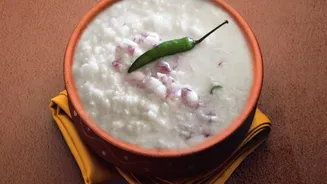
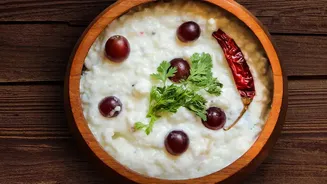
You don't have to give up curd; you just need to be smarter about how you eat it. The primary rule is to avoid it straight from the refrigerator. Consuming curd at room temperature reduces its cooling effect on the body. The best time to have it is during the day, preferably with your lunch, when your digestion is at its peak. You can also incorporate it into warm dishes like kadhi, or add warming spices like black pepper, roasted cumin, or ginger to your raita or buttermilk. These simple adjustments can help you enjoy its benefits without any of the potential downsides.