


The New Renter Mindset
The traditional idea of renting as a short-term, transitional phase is fading. Today, millions of urban Indians, particularly young professionals, see renting as a long-term lifestyle choice. This change has redefined what it means to furnish a rented
space. Instead of temporary fixes, renters are seeking solutions that offer comfort, style, and convenience without the burden of permanent ownership. This has fueled a massive boom in the furniture rental market across cities like Bangalore, Mumbai, and Delhi. The appeal is simple: it offers access to premium, stylish furniture with low upfront costs, zero maintenance hassles, and the flexibility to adapt to frequent moves or changing tastes. It reflects a broader cultural shift towards an 'asset-light' life, where access is valued over ownership.
An Investment in Flexibility
For those who still prefer to buy, the word 'investment' has a new meaning. It's no longer about buying heavy, forever pieces. Instead, renters are investing in furniture that is as mobile and adaptable as they are. The focus is on modular, multifunctional, and thoughtfully designed items that can evolve with their needs. This approach acknowledges the reality of urban living, where your next home might be larger, smaller, or shared. The new investment pieces are those that can be reconfigured, repurposed, or easily transported, ensuring they remain useful and relevant through multiple moves and life stages.
The Magic of Modular Design
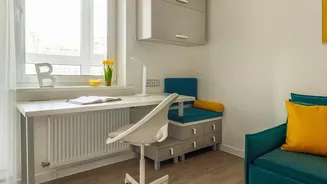
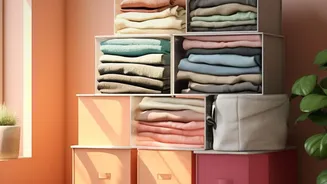
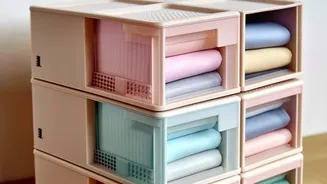
Modular furniture is the star of this new trend. Think sofas composed of separate sections that can form a large L-shape for entertaining, then be broken down into a loveseat and an armchair for a smaller space. These pieces are specifically designed for city living, with components that can easily fit through narrow doorways, elevators, and tight stairwells. A modular sofa, a set of stackable shelves, or an extendable dining table offers unparalleled freedom. You can start with a few essential pieces and add more modules as your space or family grows. This customisation allows renters to create a personalized home environment without being locked into a rigid layout.
When Your Home Becomes Your Office
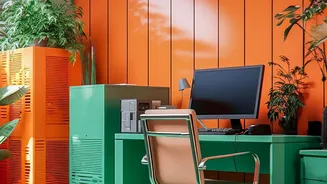
The rise of remote and hybrid work has permanently altered the function of our homes. Living rooms now double as boardrooms and bedrooms as offices, making adaptable furniture more critical than ever. This has driven demand for pieces that serve multiple functions without sacrificing style. A sleek console table might hide a fold-out desk, a coffee table can rise to become a comfortable work surface, and elegant storage ottomans can discreetly store laptops and files at the end of the day. Investing in a high-quality, ergonomic piece that functions for both work and leisure is a practical choice that enhances daily life in a compact urban home.
A Shift to Mindful Consumption
This trend is also about sustainability. There is a growing awareness of the environmental cost of 'fast furniture'—cheaply made items that are used for a short time and then discarded, often ending up in landfills. By choosing to rent, consumers participate in a circular economy, extending the lifespan of each piece of furniture. For those who buy, the focus is on durability and quality craftsmanship. They are opting for pieces made from sustainable or reclaimed materials that are built to last for years, not just until the next lease is up. This conscious choice reflects a desire to create a home that is not only beautiful and functional but also responsible.