



The New Heirloom Aesthetic
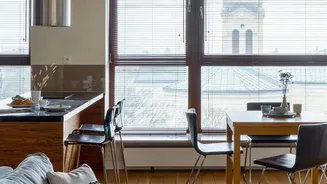
In urban India, where compact living is the norm, a new trend is taking hold among younger residents. Generation Z, a demographic known for its digital fluency and social consciousness, is increasingly turning away from the fast-fashion model of home
decor. Instead of disposable items, they are seeking pieces that tell a story, possess character, and offer a sense of permanence. This shift represents a move towards 'slow decor'—a conscious choice to invest in items that are not just beautiful but meaningful. Handcrafted brassware, with its rich history in Indian culture, fits this new heirloom aesthetic perfectly, offering a connection to heritage that mass-produced goods cannot replicate.
Why Brass? The Sustainable Choice
For a generation deeply concerned with climate change, the environmental credentials of brass are a major draw. Brass is an exceptionally durable alloy of copper and zinc that resists corrosion, meaning pieces can last for generations with minimal upkeep. This longevity inherently reduces waste. Furthermore, brass is highly recyclable; it can be melted down and repurposed indefinitely without any loss of quality. This recyclability is crucial for a circular economy. The production process itself is also more energy-efficient compared to many other metals, giving it a smaller carbon footprint. By choosing brass, consumers are making a decision that aligns with sustainable values, moving away from a throwaway culture towards responsible ownership.
Perfect for Compact Urban Living
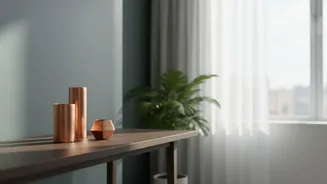
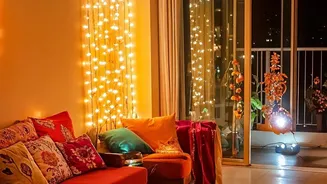
Beyond its eco-friendly appeal, brass is uniquely suited to the practical constraints of modern Indian apartments. In smaller homes, creating a sense of space and light is a primary design challenge. The warm, reflective quality of brass is a powerful tool in this context. Its golden hue bounces light around a room, making it feel brighter and more expansive. Unlike bulky furniture, small brass accents like urlis, vases, or wall hangings add visual interest without consuming precious floor space. These pieces offer high impact with a small footprint, allowing residents to curate a sophisticated and personal atmosphere even in a studio or 1BHK apartment. The use of metallic finishes is a known strategy to enhance the perception of luxury and space in compact settings.
A Modern Nod to Indian Heritage
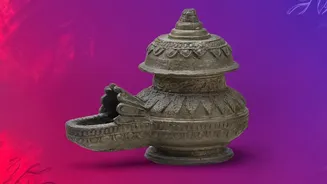
This trend is not just about aesthetics or sustainability; it is also a quiet reclamation of cultural identity. Gen Z and young millennials are increasingly looking to reconnect with their roots, and this is reflected in their design choices. They are pairing minimalist interiors with statement pieces that have deep cultural significance, such as intricately detailed diyas, traditional bells, or statues of deities. These are not just decorations but story-filled objects that carry the legacy of Indian craftsmanship from artisan clusters in places like Moradabad. This revival of traditional crafts allows a new generation to celebrate their heritage in a way that feels authentic and modern, blending the past with their contemporary lives.
Popular Pieces Making a Comeback
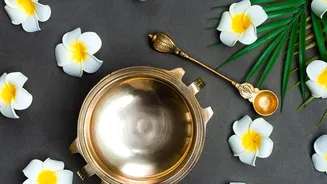
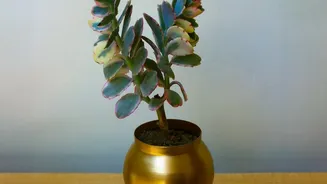
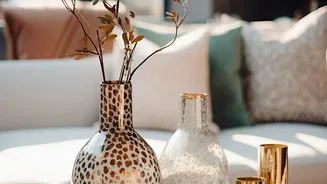
Several key brass items are at the forefront of this revival. The urli, a traditional vessel once used for cooking or floral arrangements at temple entrances, is now a popular decorative bowl on coffee tables. Small, handcrafted brass statues of Ganesha or Buddha add a serene, spiritual touch to bookshelves and corners. Brass planters and vases offer a warm, elegant alternative to ceramic or glass, especially when paired with natural materials like wood and linen. Decorative wall hangings, from simple leaf motifs to more elaborate Tree of Life designs, provide a point of focus without cluttering a room. These versatile pieces are being integrated into modern homes, proving that traditional Indian design can be both timeless and perfectly suited for contemporary life.