



What is a Ramsar Site?
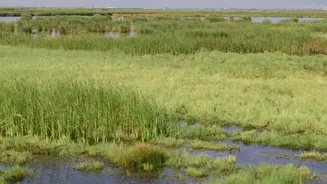
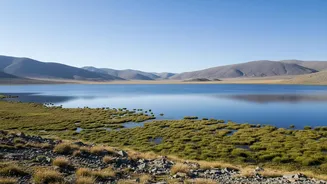
A Ramsar site is a wetland designated as being of international importance under the Ramsar Convention, an environmental treaty established in 1971. The convention provides a framework for the conservation and 'wise use' of wetlands and their resources.
To be designated, a wetland must meet specific criteria, such as supporting vulnerable or endangered species, being a rare example of a natural wetland type, or supporting significant populations of waterbirds. For India, which now has the most Ramsar sites in Asia and the third-most globally, these designations signal a commitment to protecting ecosystems that are vital for both biodiversity and human well-being.
Glaw Lake: A Himalayan Jewel
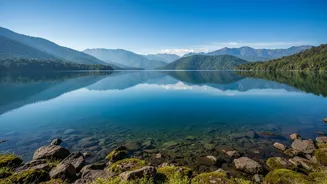
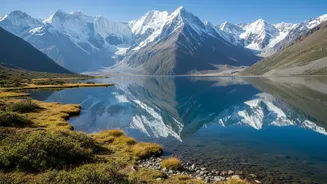
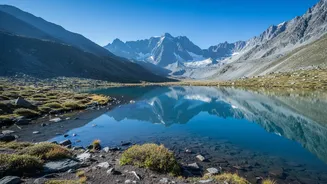
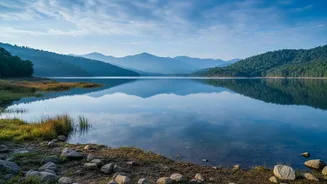
The country’s 101st site, Glaw Lake, is located in the northeastern state of Arunachal Pradesh, nestled within the Kamlang Tiger Reserve and Wildlife Sanctuary. It is the first such site in the state. As a pristine freshwater lake in the Eastern Himalayas, it is a biodiversity hotspot fed by mountain streams and surrounded by lush forests. The area supports a rich variety of life, including over 150 tree species and dozens of orchid species, making its protection significant for preserving the region's unique ecological character. Its inclusion in the Ramsar list brings global recognition and reinforces the need for its careful conservation.
Nature’s Water Security System
The growing list of Ramsar sites is directly linked to India's urgent need for water security. Wetlands are often called “nature’s kidneys” for their ability to filter pollutants and purify water. They also act like giant natural sponges, absorbing excess monsoon rainfall to mitigate floods and then slowly releasing that water during dry seasons, which helps recharge depleted groundwater aquifers. With an estimated 600 million Indians facing high to extreme water stress, the role of wetlands is not just ecological but existential. They are a form of natural infrastructure, supporting the water needs of millions, yet nearly one-third of India's wetlands have been lost over the past three decades.
A Frontline Defence Against Climate Change
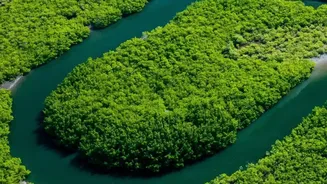
Beyond water, wetlands are powerful but often overlooked allies in the fight against climate change. Ecosystems like marshes, mangroves, and peatlands are incredibly efficient carbon sinks, capturing and storing vast amounts of carbon in their soil and biomass—in some cases, more effectively than forests. This carbon sequestration helps mitigate global warming. Furthermore, they serve as crucial buffers against climate impacts. Coastal wetlands like mangroves protect communities from storm surges, while inland wetlands moderate local temperatures and reduce the risks of both floods and droughts. As climate-related extreme weather events become more frequent, healthy wetlands are a critical line of defence.
Beyond Designation: The Challenge of Protection
Achieving the 101-site milestone is a laudable achievement, but the Ramsar tag alone does not guarantee protection. Many of India's wetlands, including some designated sites, face severe threats from pollution, encroachment for urbanisation and agriculture, and the spread of invasive species. Experts warn that without effective governance, vigilant monitoring, and the implementation of management plans that involve local communities, these vital ecosystems will continue to degrade. The concept of 'wise use' requires a continuous commitment to ensure that these areas are managed sustainably, balancing conservation with the needs of the communities that depend on them.