



The Search for Authentic Calm
Picture the quintessential Indian beach vacation. It often involves battling for a spot on the sand, navigating through a sea of selfie sticks, and being solicited every few minutes by vendors. While the sun and sea are alluring, the experience can feel
less like a retreat and more like a transaction. The peace you travelled for is drowned out by loud music and the general hum of an over-commercialised destination. For a growing number of travellers, this model of tourism is losing its charm. We are now seeking disconnection from the chaos, not a different version of it.
Enter the Backwater Sanctuary
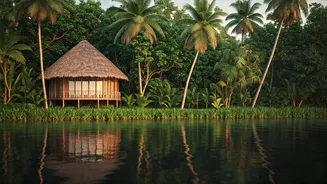
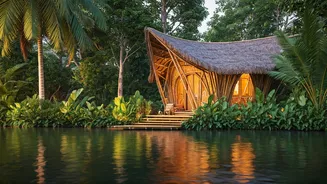
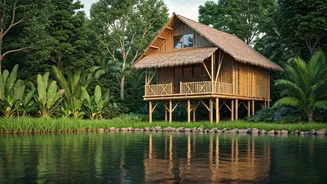
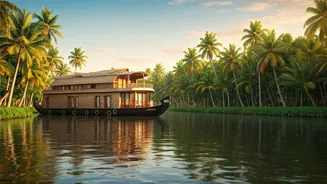
Now, imagine a different scene. You wake up not to an alarm, but to the gentle melody of a Malabar whistling thrush. You step out of a simple, elegant cabin built from local wood and laterite stone onto a verandah that overlooks a tranquil canal. A gentle mist hangs over the emerald-green water, and the only traffic is a lone fisherman paddling his canoe. This is the promise of Kerala’s backwater eco-cabins. Nestled along the labyrinthine network of lakes, canals, and lagoons that stretches from Kollam to Kochi, these stays offer a profound sense of peace that a crowded beach simply cannot match.
More Than Just a Room
The term “eco-cabin” is key. This isn't just about a rustic aesthetic; it's a philosophy. True eco-lodges in the backwaters are designed to have a minimal environmental footprint. They often use renewable energy, practice rainwater harvesting, and manage waste responsibly. Construction prioritises local, sustainable materials like bamboo, coconut fibre, and recycled wood. More importantly, they are integrated into the local ecosystem and community. Unlike large resorts that can feel like isolated bubbles, these cabins place you in the heart of Keralan village life, offering a stay that is both restorative for you and respectful to the environment.
A Slower Rhythm of Life
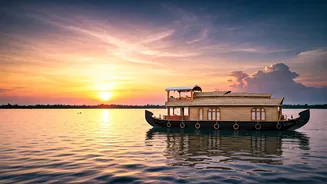
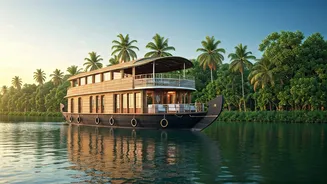
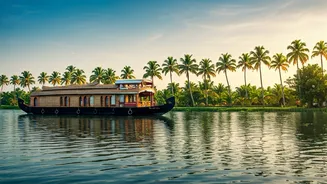
A day in a backwater cabin unfolds at nature's pace. Mornings might be spent with a book and a cup of filter coffee, watching life on the water. Afternoons are for gentle exploration—perhaps a canoe trip through narrow, shaded canals inaccessible to the large houseboats, or a walk through a nearby village to see coir-making and toddy tapping. The food is a highlight in itself. Forget generic multi-cuisine menus; here, you’ll savour authentic Keralan meals, often made with ingredients plucked from the property’s own organic garden. The fish on your plate was likely caught from the very waters you’re looking at. It’s a holistic experience that engages all the senses.
Connecting with Culture, Not Crowds
The greatest luxury these stays offer is authentic connection. You're not just a tourist; you're a guest. Hosts are often local families who are passionate about sharing their culture and the natural beauty of their home. They can tell you the names of the birds you see, explain the nuances of the local cuisine, and share stories about the backwaters. This contrasts sharply with the anonymous, transactional nature of many mainstream tourist hubs. Instead of returning with generic souvenirs, you leave with genuine memories and a deeper appreciation for the place and its people. It's a form of travel that enriches the soul.
How to Find Your Haven
Finding these gems requires a slight shift in your search strategy. Instead of looking for hotels in main towns like Alleppey (Alappuzha), search for “eco-lodges,” “farm stays,” or “backwater homestays” in quieter areas around Vembanad Lake, Kumarakom, or the islands dotting the waters. Read reviews carefully, looking for mentions of sustainability, host interaction, and authentic experiences. Many of the best places are small, family-run establishments with only a few cabins, so booking in advance is wise, especially during peak season. Prioritise properties that explicitly state their commitment to eco-friendly practices.