








A Shift in the Travel Mindset
The Indian traveller is evolving. A 2026 survey highlighted a significant trend: over 70% of Indian travellers are now planning trips around specific events or experiences, from wellness retreats to sporting events. This marks a major pivot from traditional
sightseeing to more immersive, activity-based holidays. With rising disposable incomes and a growing desire for unique stories to share, travellers are looking for more than just a destination; they want an adventure. The adventure tourism market in India reflects this, with projections showing it could grow to over USD 88 billion by 2034. This hunger for new experiences has opened up a new playground: India's vast and largely unexplored underwater world.
The Andaman and Lakshadweep Effect
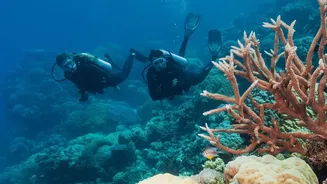
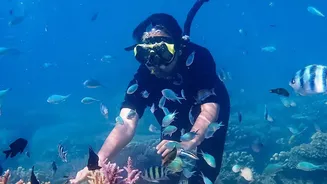
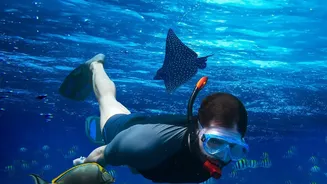
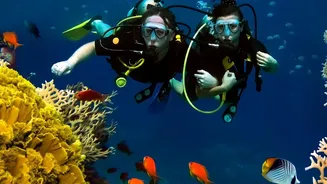
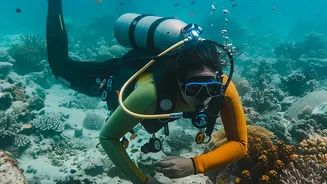
For years, the remote, pristine archipelagos of Andaman & Nicobar and Lakshadweep were the sole flag-bearers for underwater exploration in India. Places like Havelock Island (Swaraj Dweep), with its clear waters and abundant marine life, introduced mainstream Indian tourists to the magic of scuba diving. These islands created the initial blueprint, proving that world-class diving experiences were available domestically. From spotting turtles and colourful fish to the rare chance of seeing a dugong, the Andamans and Lakshadweep sparked a national curiosity for the world beneath the surface, creating a demand that mainland destinations are now beginning to meet.
Mainland India Dives In
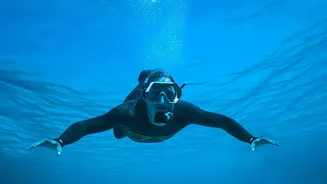
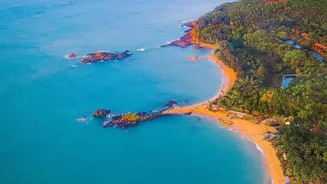
The excitement for aquatic adventures is no longer confined to the islands. A string of destinations along India's extensive coastline have emerged as credible and accessible alternatives. Netrani Island in Karnataka, also known as 'Pigeon Island', has become a hotspot, offering clear waters and sightings of everything from tiny fish to the occasional whale shark. On the west coast, Tarkarli in Maharashtra and Goa offer calm conditions ideal for beginners, with accessible wreck dives like the SS Rita in Goa providing a thrilling experience. On the east coast, Puducherry has carved a niche with its man-made Temple Reef and unique dive sites like Aravind's Wall, proving that a rich marine ecosystem can be fostered. Even Kerala has joined in, with spots in Kovalam becoming popular.
Beyond Scuba: The New Wave of Experiences
The trend extends beyond just diving. For those who want to witness marine life without getting wet, semi-submarine rides in the Andaman Islands offer a comfortable solution. These vessels feature an underwater cabin with large glass windows, allowing passengers to observe coral reefs as the boat glides along the surface. Meanwhile, the concept of underwater dining has also surfaced in India. While an early attempt in Ahmedabad faced regulatory hurdles, a private dining room at a luxury hotel in Mumbai offers an experience surrounded by a marine aquarium. These innovations signal a broadening of the definition of 'underwater experience', making it accessible to a wider range of tourists, not just certified divers.
Driven by the 'Gram and a Thirst for Novelty
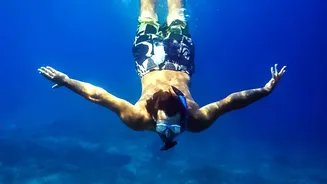
A significant driver of this trend is the visual-first nature of social media. The otherworldly blues of an underwater photograph or a video of a turtle gracefully swimming by are powerful tools for inspiration. This desire for unique, shareable moments is pushing travellers to seek out experiences that stand out from the typical holiday album. The rise in awareness is also fuelled by increased exposure to global travel trends. As more people see what's possible, the demand for similar, accessible options within India grows. Tour operators have responded, with the number of adventure tour companies increasing by nearly 20% in the last five years, many of them specialising in these niche aquatic activities.