

Meghalaya: The Abode of Roaring Waterfalls
Meghalaya, translating to "The Abode of Clouds," truly lives up to its name during the monsoon. This is when its world-famous waterfalls, often gentle streams in other seasons, transform into thundering spectacles. In Cherrapunji, one of the wettest places
on Earth, cascades like Nohkalikai Falls—India's tallest plunge waterfall—and the Seven Sisters Falls are at their most powerful and majestic. The sheer volume of water creates a roar that echoes through the valleys, and the mist they generate shrouds the landscape in a perpetual, dreamlike haze. Exploring the region during this time means witnessing hundreds of temporary falls appearing on cliffs, painting the scenery with silver streaks against the vibrant green.
The Living Root Bridges: Nature's Architecture at its Strongest
The iconic living root bridges of Meghalaya, engineered by the Khasi and Jaintia tribes, were designed for the monsoon. Fashioned from the aerial roots of rubber fig trees, these bridges grow stronger with time and moisture, making them the perfect solution for crossing rivers that swell to furious torrents during the rains. Visiting the Double Decker Living Root Bridge in Nongriat or the bridge in Riwai village during monsoon offers a glimpse into their true purpose. The surrounding forests become absurdly lush, moss covers every surface, and the wet roots glisten, creating a primeval atmosphere that feels worlds away from modern construction. This is not just a photo opportunity; it's seeing a centuries-old, sustainable technology in its element.
Dzukou Valley: A Carpet of Endemic Lilies
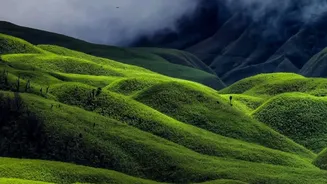
On the border of Nagaland and Manipur, the Dzukou Valley undergoes a magical transformation from June to September. The monsoon rains trigger the bloom of the rare and beautiful Dzukou Lily, a pale pink flower found nowhere else in the world. The entire valley floor, a landscape of undulating green hills, becomes dotted with these delicate flowers, creating a scene of ethereal beauty. For trekkers willing to brave the slippery trails, the reward is an almost surreal landscape, often shrouded in mist, that has earned it the nickname “Valley of Flowers of the East.” It’s a chance to witness a unique ecological event in a pristine, untouched setting.
Tawang: Mystical Monasteries in the Clouds
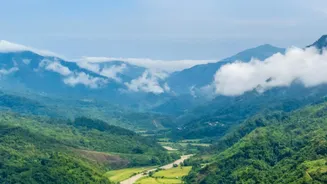
While access can be challenging, visiting Tawang in Arunachal Pradesh during the monsoon is a rewarding experience for the adventurous traveller. The season veils the Himalayan landscapes in a thick, rolling mist, making the iconic Tawang Monastery appear as if it's floating in the clouds. The rain revitalizes the entire region, turning the valleys into a sea of deep, vibrant green and feeding powerful cascades like the Nuranang Waterfall, which is at its most spectacular during this time. The relative lack of tourists creates a serene, spiritual atmosphere, allowing for a more intimate connection with the region's stunning natural beauty and cultural landmarks.
Assam: Emerald Tea Gardens and Swollen Rivers
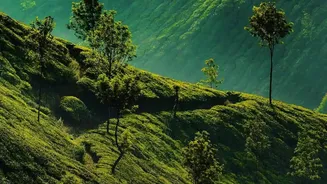
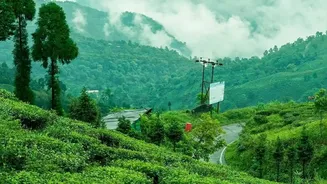
The monsoon brings a fresh vibrancy to the rolling hills of Assam. The vast tea gardens, the state's signature landscape, become a brilliant, almost fluorescent green as the new leaves flourish in the rain. Driving through districts like Dibrugarh, the 'Tea Capital of India', offers endless views of these lush estates under dramatic, rain-filled skies. The mighty Brahmap અmputra River, the lifeline of the state, swells with the monsoon waters, changing the landscape along its banks. While it brings the risk of floods, it also replenishes the surrounding plains and fills lakes like Haflong, Assam's only hill station, making the entire region feel fertile and alive.