



The Philippines offers breathtaking scenery, but its most famous destinations aren't always the paradise you see on social media. Before you book, here is a look at the reality of some of the country's most popular spots.
Boracay: Paradise Lost and Found?
The Expectation: Powdery white
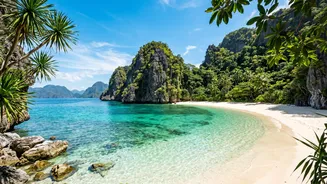
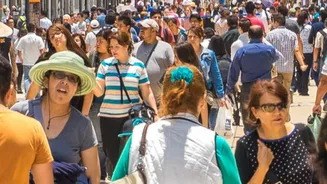
sand so fine it feels like flour, water in impossible shades of turquoise, and a laid-back island vibe. For decades, Boracay has been marketed as one of the world's best beaches, a postcard-perfect slice of tropical heaven. The Reality: While the sand and water are genuinely stunning, the serenity is often shattered by overwhelming crowds. The main stretches of White Beach can feel more like a busy marketplace than a peaceful escape, lined with restaurants, shops, and a constant stream of vendors. Despite a major rehabilitation closure to address environmental issues, over-tourism remains a significant concern, and the island can feel chaotic and overdeveloped. The sheer number of people can make it difficult to find a quiet spot to simply enjoy the natural beauty that made the island famous in the first place. The Verdict: Go for the incredible beach, but manage your expectations. Visit during the off-season, stay in the less-crowded Station 1 area, and be prepared for a lively, sometimes hectic, atmosphere rather than a secluded retreat. For a quieter alternative, consider the nearby Carabao Island in Romblon for a more unhurried experience.
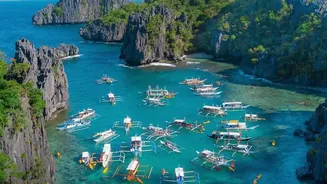
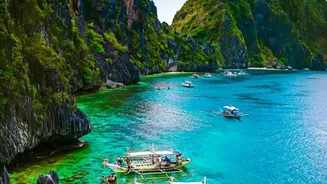
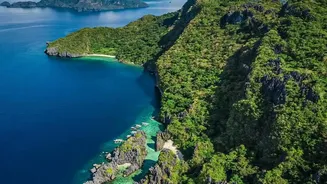
El Nido, Palawan: Stunning Scenery, Shared with Hundreds
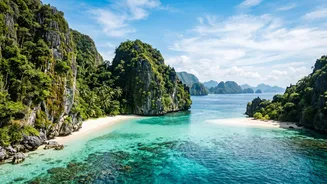
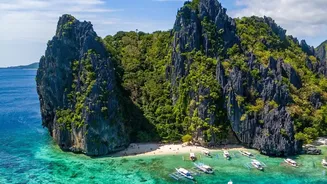
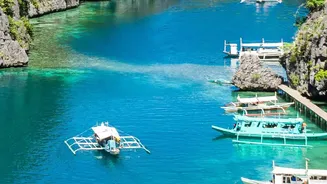
The Expectation: Dramatic limestone karsts rising from crystal-clear lagoons, hidden beaches accessible only by boat, and world-class snorkeling. El Nido's island-hopping tours are legendary, promising adventure and unparalleled natural beauty. The Reality: The scenery is every bit as spectacular as advertised, but you will be sharing it with a flotilla of other boats. Popular spots like the Big and Small Lagoons now have visitor limits to manage the traffic, but the experience can still feel like a conveyor belt of tourism. The town itself has struggled to cope with its rapid rise in popularity, leading to environmental pressures like water contamination and stress on local infrastructure. While the government is taking steps to promote sustainability, the sheer volume of visitors means that a truly 'unspoiled' experience in the main tour areas is rare. The Verdict: El Nido's landscapes are a must-see, but brace for crowds. To escape the main tourist trail, consider exploring lesser-known areas like Port Barton or San Vicente in Palawan, which offer pristine nature with fewer visitors. You can also look into multi-day expeditions that visit more remote, uninhabited islands.
Oslob, Cebu: The Whale Shark Controversy
The Expectation: A once-in-a-lifetime chance to swim alongside the largest fish in the sea. The whale shark encounters in Oslob, Cebu, are famous for being virtually guaranteed, drawing tourists from around the globe. The Reality: The guarantee comes at a cost. The whale sharks congregate here because they are fed daily by local fishermen, a practice that has been widely criticized by marine conservationists. This feeding alters the animals' natural migration and foraging behaviors, and can lead to malnourishment and injuries from boat propellers as they learn to associate boats with food. While rules are in place to keep a distance, the sheer number of tourists often makes this difficult to enforce. The experience, which is limited to 30 minutes, can feel more like a crowded zoo than a natural wildlife encounter. The Verdict: This is an ethical dilemma. While seeing a whale shark is unforgettable, many travelers are opting out of Oslob. For a more responsible encounter where the animals are in their natural habitat without feeding, consider seasonal tours in Donsol, Southern Leyte, or Puerto Princesa. Sightings are not guaranteed, but the experience is far more authentic and ethical.
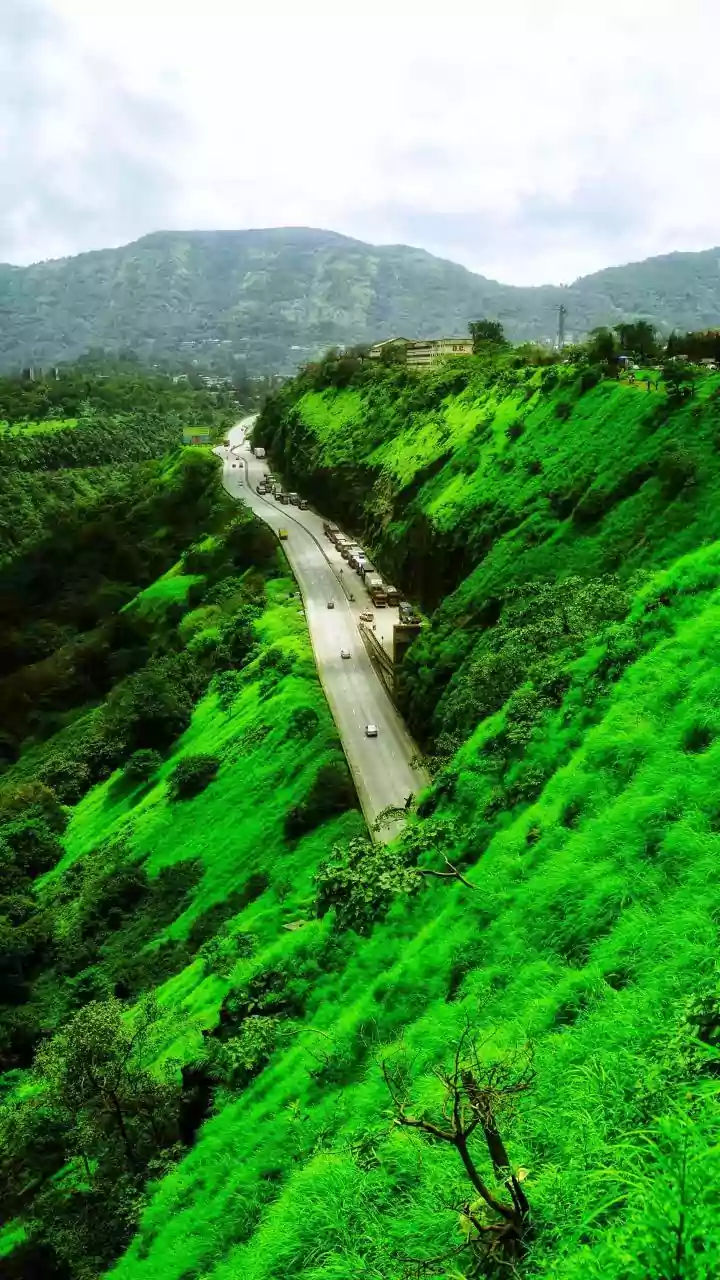
Baguio: The Summer Capital's Growing Pains
The Expectation: A cool, pine_scented mountain retreat from the lowland heat. Baguio is known for its parks, strawberry farms, and a refreshing climate, making it a beloved getaway for locals and tourists alike. The Reality: On weekends and holidays, Baguio often suffers from severe traffic congestion and overcrowding. What should be a relaxing escape can turn into a frustrating crawl through gridlocked streets, with long queues at popular attractions. The city's resources, including water and public spaces, are strained by the influx of visitors, leading to what the local government has termed 'local irritability' among residents. While a recent slump in tourism due to higher fuel costs has provided some relief, the underlying issues of over_tourism during peak periods remain. The Verdict: Timing is everything. Visiting Baguio on a weekday will offer a vastly different experience... [Note content preserved exactly as input]