








The Portion Puzzle
The first step to making peace with carbs is mastering portion control. Even healthy foods can lead to blood sugar spikes and weight gain if eaten in oversized quantities. Visual cues are a simple way to stay in check without constantly measuring. Generally,
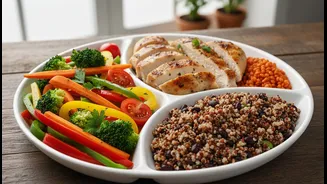
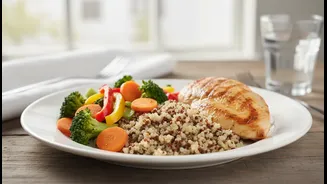
a single serving of cooked grains, like rice or pasta, should be about the size of your closed fist or what fits in your cupped hand. For a balanced meal, a plate-based approach is effective: fill half your plate with non-starchy vegetables (like leafy greens or cauliflower), one quarter with a lean protein source, and the final quarter with your high-fibre carbohydrate. This method not only controls the carb quantity but also ensures a more nutrient-dense meal overall.
Smart Preparation Methods
How you cook your carbs significantly changes how your body processes them. Frying, for example, adds unnecessary fats and calories. But a far more interesting technique involves temperature. Cooking and then cooling starchy foods like potatoes, rice, and pasta fundamentally alters their structure, increasing what is known as resistant starch. This process is called retrogradation. Resistant starch acts more like dietary fibre, as it isn't fully digested in the small intestine. Instead, it travels to the large intestine where it feeds beneficial gut bacteria. Studies have shown that this can lead to a smaller rise in blood glucose compared to eating freshly cooked starches. So, a cold potato or pasta salad, or even day-old rice, can be a healthier choice. The best part is that the resistant starch remains even if the food is reheated.
The Power of Pairing
Eating a carbohydrate-rich food by itself can cause a rapid increase in blood sugar. However, you can blunt this spike by strategically pairing carbs with other macronutrients. Adding protein, healthy fats, or fibre to your meal slows down digestion and the rate at which sugar enters your bloodstream. Instead of a sharp peak and subsequent crash, you get a gentler, more gradual rise and fall in blood sugar levels. This not only provides more sustained energy but also helps you feel full and satisfied for longer. Simple swaps can make a big difference. For instance, pair an apple with a handful of nuts or almond butter, add grilled chicken or paneer to your pasta, or ensure your bowl of rice is served alongside a generous portion of dal and vegetables. This simple principle transforms a simple carb into a balanced, more beneficial meal.
Putting It All Together
Understanding these three pillars—Portion, Preparation, and Pairing—empowers you to move beyond the restrictive mindset of 'good' versus 'bad' foods. Carbohydrates are the body's primary source of energy, and they are found in many nutrient-dense foods like fruits, vegetables, and whole grains. Rather than eliminating them, the focus should be on moderation and mindfulness. Start with a fist-sized portion of a complex carbohydrate like brown rice or quinoa. Consider preparing it a day in advance and cooling it to increase resistant starch. Finally, ensure it is served as part of a balanced plate, accompanied by ample protein from sources like lentils, fish, or tofu, healthy fats from avocado or nuts, and plenty of fibre from vegetables. This holistic approach allows you to enjoy your food while supporting stable energy levels and overall well-being.