
Mathura: The Epicentre of Birth
As the birthplace of Lord Krishna, Mathura offers the most profound and traditional celebration of Janmashtami. The entire city, especially the Braj region, becomes a spiritual hub, but the focus remains on the Shri Krishna Janmabhoomi Temple, believed
to stand on the very spot of his birth. Festivities here begin as early as ten days before the main event, filling the air with bhajans, kirtans, and pravachans (spiritual discourses). A key ritual is the Jhulanotsav, where swings are decorated in homes and temples to symbolise the cradling of the infant Krishna. The climax of the celebration is the midnight 'Abhishek', a ritualistic bathing of the Krishna idol with milk, curd, honey, and ghee, accompanied by the sounding of conch shells and chanting. This is followed by the 'Chappan Bhog', an offering of 56 different food items to the deity. For devotees, being in Mathura is about experiencing the spiritual weight of Krishna's arrival in the world.
Vrindavan: The Land of Playful Devotion
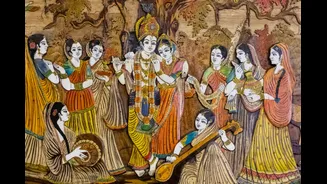
If Mathura is about the sacred birth, nearby Vrindavan is where Krishna’s playful spirit comes alive. This is the land where he spent his childhood, and the celebrations reflect his youthful antics. The town, home to thousands of temples like Banke Bihari and ISKCON, is draped in lights and flowers. The most iconic traditions here are the 'Rasleelas', theatrical dance-dramas that reenact episodes from Krishna's life and his divine romance with Radha. These performances, put on by both professional artists and local children, transform the city into a living stage. While the midnight Abhishek is also performed here, the overall atmosphere is lighter and more focused on community participation. The day after Janmashtami is celebrated as Nandotsav, honouring Krishna's foster father, Nanda, filling the streets with more festivities and games. Visiting Vrindavan offers a more immersive, festive, and widespread temple-hopping experience.
Mumbai: The Spectacle of Dahi Handi
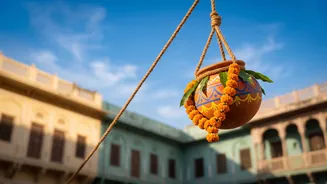
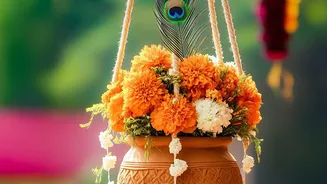
Mumbai offers a completely different, high-energy interpretation of Janmashtami centred around the tradition of 'Dahi Handi'. This event reenacts Krishna’s childhood mischief of stealing butter and curd. Across the city, earthen pots (handis) filled with curd, butter, and fruits are strung high above the streets. Teams of young men and women, called 'Govindas', form human pyramids to reach and break the pot. What began as a local tradition has evolved into a massive, city-wide spectacle, often with significant prize money for successful teams. The air is filled with chants of “Govinda Ala Re!” and the beat of traditional music, creating an atmosphere of a competitive sport rooted in devotion. This celebration highlights teamwork, physical strength, and community spirit, offering a modern, urban, and thrilling expression of faith that draws massive crowds.