


Anatomy of an In-Flight Emergency
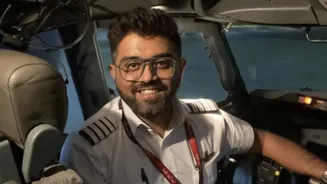
On September 30, 2026, Flydubai flight FZ1073 from Dubai to Tel Aviv experienced a severe in-flight incident when an altercation reportedly broke out in the cockpit. The crew declared an emergency, squawking code 7700 (general emergency) and later 7500
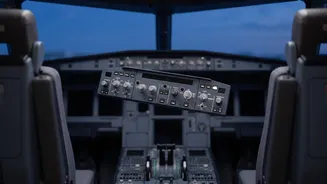
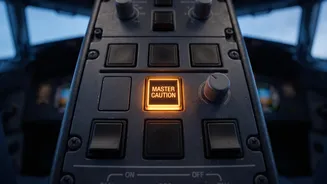
(unlawful interference), before diverting to Tabuk, Saudi Arabia. While this crisis was due to human factors, emergencies can stem from many sources: technical malfunctions, medical issues, or severe weather. In every case, pilots are trained to follow a strict hierarchy of priorities: aviate, navigate, communicate. First, fly the plane and maintain control. Second, navigate to a safe landing spot. Only then is communication with air traffic control the main focus. This methodical approach ensures that control of the aircraft is never compromised.
The Overweight Landing Problem
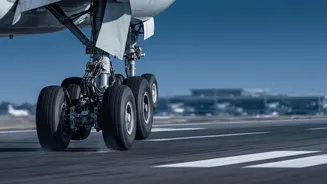
When an emergency happens shortly after takeoff, a plane cannot simply turn around and land. The reason is weight. An aircraft has a Maximum Takeoff Weight (MTOW) and a Maximum Landing Weight (MLW). The MLW is almost always significantly lower than the MTOW. This is because a long-haul flight takes off with a massive amount of fuel, which it burns over thousands of kilometres. The aircraft is designed to land at a much lighter weight after the fuel is consumed. Landing above the MLW puts immense stress on the landing gear and airframe, risking structural damage or even failure upon touchdown. The gear is built to absorb a landing at a specific maximum weight; exceeding it is a significant gamble that airlines and pilots avoid unless absolutely necessary.
Reducing Weight: To Dump or to Burn?
To get down to a safe landing weight, pilots have two primary options: dump fuel or burn it. Fuel dumping, or jettisoning, involves releasing fuel from nozzles on the wings. This is the fastest way to shed weight. The fuel is released at high altitudes, where it atomizes and evaporates before reaching the ground, posing a minimal environmental risk. However, not all aircraft are equipped with fuel-dumping systems. Many short-haul planes like the Boeing 737 or Airbus A320 family do not have them. For these aircraft, or in situations where dumping isn't feasible, the alternative is to circle in a holding pattern at a safe altitude to burn off fuel naturally. The choice between dumping and burning depends on the urgency of the situation. For a critical fire or control issue, dumping fuel allows for an immediate landing, whereas a more stable medical emergency might allow time to circle and burn fuel.
The Pilot's Final Decision
The captain bears the ultimate responsibility for deciding when and where to land. This decision is a complex calculation involving dozens of variables. The nature of the emergency is paramount—is it stable or escalating? The pilot must also consider the aircraft's current weight, the rate at which it can be reduced, and the integrity of the flight controls. The weather at potential diversion airports is another critical factor; a safe landing requires suitable visibility and manageable winds. Furthermore, the chosen airport must have a runway long enough for the aircraft type and be equipped with adequate emergency response services on the ground. Pilots use extensive checklists for every conceivable emergency to ensure no step is missed, from securing the engine in case of failure to briefing passengers and crew.
Finding a Safe Landing Spot
While a fully equipped airport runway is the ideal landing spot, in a dire emergency, pilots are trained to assess any available surface. Key factors include the length of the landing area, its surface condition (paved is better than a field, but a flat field is better than a forest), and the presence of obstacles like power lines or buildings. Wind direction is also crucial, as landing into the wind reduces the plane's ground speed, shortening the stopping distance. As one safety analysis notes, it's often better to land in a clear area with a rough surface than to risk hitting obstacles in the air while trying to reach a perfect field. The core principle is to maintain control of the aircraft for as long as possible and touch down at the slowest safe speed.