






Prioritise Food and Water Safety
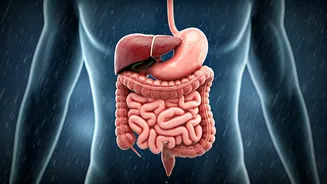
The monsoon significantly increases the risk of water and food contamination, leading to illnesses like typhoid, cholera, and gastroenteritis. One of the most effective changes you can make is to be vigilant about what you consume. Avoid eating street
food, especially items that are uncooked or have been sitting out for a while. Contaminated water used in chutneys and golgappas is a common culprit. At home, ensure you drink only boiled or properly filtered water. Use this safe water for cooking as well. Thoroughly wash all fruits and vegetables, perhaps even soaking them in a solution of water and vinegar for a few minutes to remove germs and pesticide residue. Opt for freshly cooked, hot meals, as high temperatures kill most harmful bacteria and viruses.
Turn Your Home into a Safe Zone
Your home should be your sanctuary from monsoon maladies, not a breeding ground for them. The most critical task is to prevent water from stagnating, as this is where mosquitoes responsible for dengue, malaria, and chikungunya lay their eggs. Regularly check and empty water from flowerpot saucers, air cooler trays, old tyres, and any other open containers. Use mosquito nets at night, especially for children and the elderly. You can also install mesh screens on windows and doors. Ensure your home is well-ventilated to prevent dampness, which encourages the growth of mould and mildew. A clean, dry home is the first line of defence against vector-borne diseases that peak during the rainy season.
Boost Your Personal Hygiene Habits
Simple hygiene practices become non-negotiable during the monsoon. Your hands are the primary carriers of germs. Wash them frequently with soap and water for at least 20 seconds, especially after coming home from outside, before eating, and after using the restroom. If you get drenched in the rain, take a warm shower as soon as possible and change into dry clothes. Staying in damp clothing for extended periods can lower your body temperature and make you more susceptible to colds and fungal infections. Pay special attention to your feet. Wash and dry them thoroughly every time you come indoors to prevent common fungal infections like athlete's foot, which thrive in damp conditions.
Strengthen Your Body’s Natural Defences
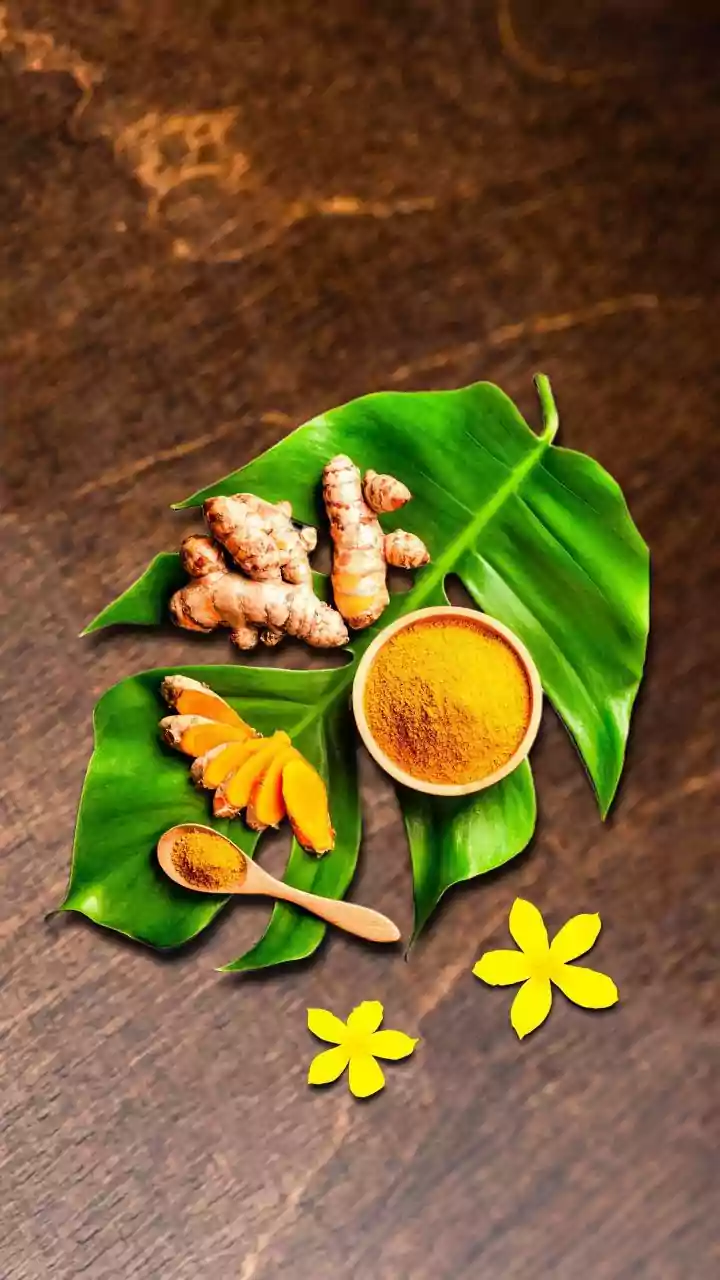
A strong immune system is your best weapon against the common cold, flu, and other viral infections that are rampant during this time. Focus on a balanced diet rich in Vitamin C, which is known to bolster immunity. Include plenty of citrus fruits, amla, bell peppers, and leafy green vegetables in your meals. Incorporating traditional Indian immunity-boosters like turmeric milk (haldi doodh) or a decoction (kadha) made with ginger, tulsi, and black pepper can also be beneficial. Don't forget the importance of adequate rest. Aim for 7-8 hours of quality sleep per night, as this is when your body repairs itself and strengthens its immune response. Even light indoor exercises like yoga or stretching can improve circulation and keep you fit.
Navigate the Outdoors With Caution
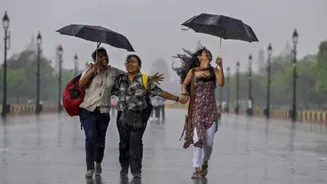
While it’s tempting to enjoy the rains, moving about requires extra caution. Puddles and waterlogged streets are often contaminated with sewage and waste, posing a risk of leptospirosis and other infections. Try to avoid wading through stagnant water. If you must, wear waterproof footwear like rubber boots. Avoid open-toed sandals or chappals that expose your feet to dirty water. Always carry an umbrella or a raincoat to stay dry and prevent sudden chills. Finally, be mindful of your surroundings. The damp weather can make mosquitoes more active even during the day, so applying a good-quality mosquito repellent before stepping out is a wise precaution.