




The Aspirational Moodboard Trap
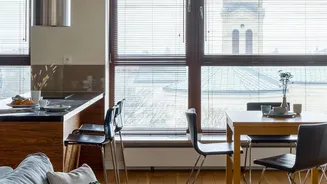
We’ve all been there. You pin dozens of pristine, minimalist living rooms, airy kitchens without a single appliance on the counter, and serene bedrooms with perfectly rumpled linen sheets. A moodboard is a fantastic tool for capturing a feeling and a design
direction. It's your creative playground, a way to test ideas without spending a rupee. But a board built purely on fantasy sets you up for failure. When you only collect images of impossibly tidy, showroom-quality spaces, you’re not designing for your actual life. You’re designing for a fantasy version of yourself who never leaves keys on the table, has a sprawling walk-in closet, and whose children don’t leave a trail of toys in their wake. The result is often a space that looks great for a fleeting moment but is frustratingly difficult to maintain, leading to a sense of disappointment that your home doesn't 'look like the pictures'.
Embrace Reality: The Honest Moodboard
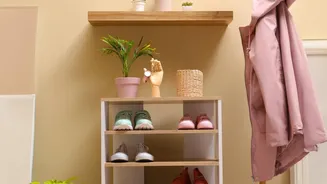
A truly useful moodboard acts as a bridge between your aspirations and your day-to-day reality. The goal isn’t to abandon your beautiful vision, but to ground it in practicality. This means getting honest about your habits, your space, and your stuff. Before you pin another perfect picture, take a moment to observe your home as it is right now. Where does the clutter naturally accumulate? What items are always out on the counter? How many pairs of shoes are actually by the front door? An honest moodboard acknowledges these realities instead of ignoring them. It’s about designing a beautiful system for your life as you live it, not for a life you think you should have. This approach transforms the moodboard from a simple collection of images into a strategic plan for a home that is both beautiful and liveable.
Plan for Your Possessions
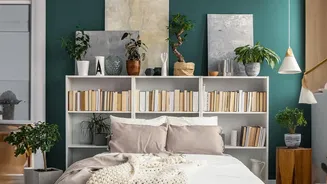
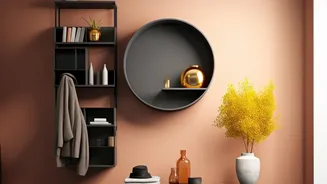
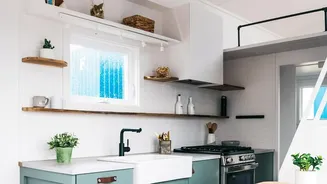
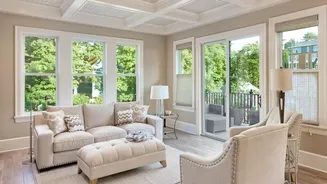
One of the most important, and often overlooked, aspects of a realistic moodboard is storage. Your dream living room might feature a sleek, low-profile media unit, but if you own a large collection of books, board games, and electronics, that piece of furniture will quickly be overwhelmed. Instead, make storage a core part of your moodboard from the start. Pin images of clever storage solutions you admire: think beautiful credenzas, floating shelves, stylish baskets, and ottomans with hidden compartments. When you find a living room you love, don't just look at the sofa—look for the storage. If it's not visible, ask yourself where it might be. By including images of beautiful and functional storage, you are actively planning for the things you own. This ensures that your finished room has a designated place for everything, making it far easier to keep tidy and aligned with your original vision.
Design for Daily Clutter
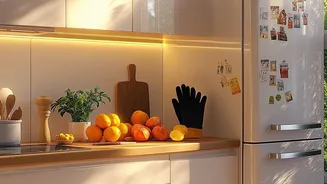
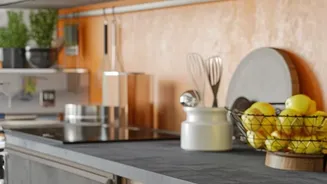
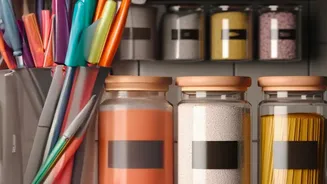
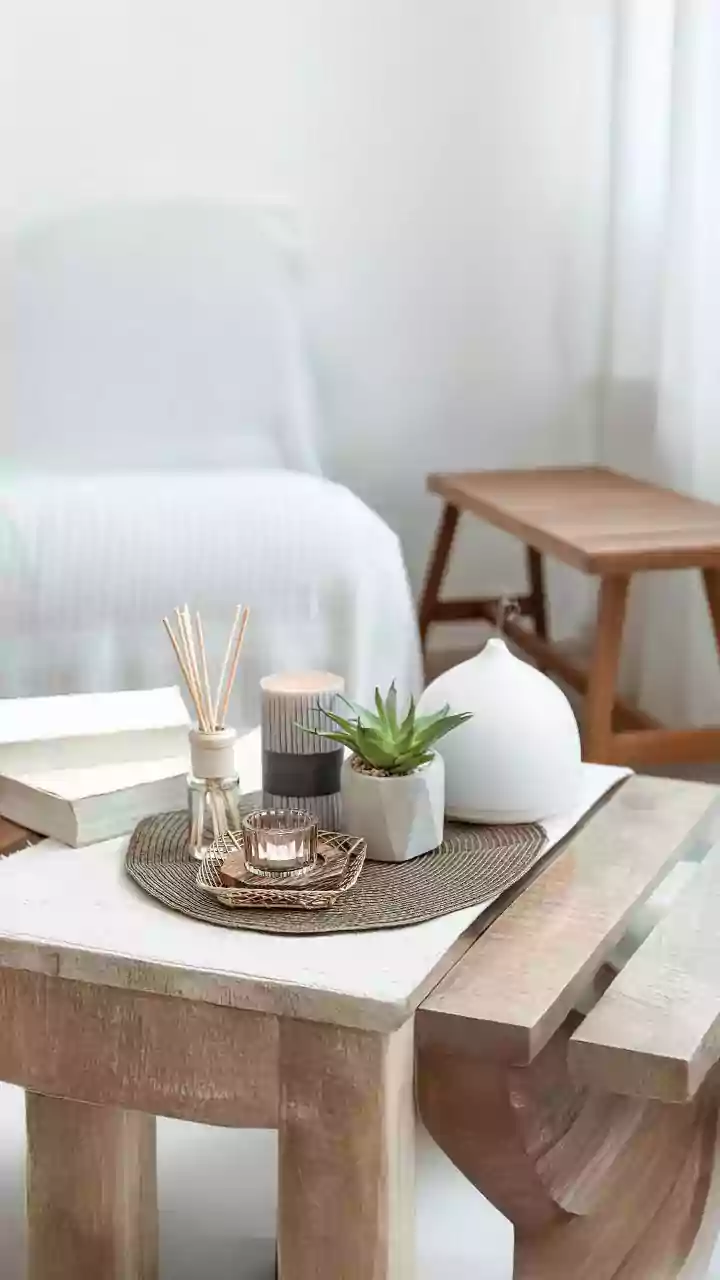
Clutter isn't a moral failing; it's a byproduct of living. Mail piles up, keys get dropped, and phone chargers snake across surfaces. An effective moodboard makes a plan for this inevitable daily mess. Instead of pretending it won't happen, incorporate solutions directly into your design. Add a 'landing strip' to your entryway moodboard—a stylish tray or decorative bowl to catch keys, wallets, and mail. For the living room, include a beautiful basket next to the sofa specifically for remote controls or a cozy throw blanket. On your kitchen board, pin images of attractive canisters for coffee and tea, or a small, chic crock for utensils you use daily. By designing dedicated, aesthetically pleasing homes for these everyday items, you prevent them from taking over your space. The clutter is contained and integrated into the design, rather than disrupting it. It's a simple shift that makes a world of difference in maintaining a tidy home.