





The Earthy Warmth of Cumin
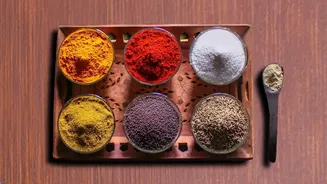
Cumin, known as 'jeera' in Hindi, is a staple spice celebrated for its distinctive warm, earthy, and slightly nutty flavor. Whether used as whole seeds bloomed in hot oil or as a ground powder mixed into a dish, it provides a foundational savory note
that is both aromatic and deeply comforting. Often dry-roasted before being ground, this process intensifies its fragrance and adds a subtle smokiness. This robust character allows it to stand up to other strong flavors, making it an essential building block in spice blends across Indian, Middle Eastern, and Latin American cooking. It's the dependable, grounding flavor you recognize in everything from hearty dals to complex curries.
Tamarind: The Sweet and Sour Star
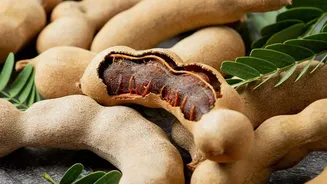
Tamarind, or 'imli', is a tropical fruit that grows in pod-like shells, and its sticky pulp is the source of its culinary magic. Its flavor is a complex and delightful balance of sweet and sour. The primary sourness comes from tartaric acid, giving it a clean, sharp tang similar to a lemon, while natural sugars provide a fruity sweetness often compared to dates and apricots. Available as a concentrated paste, a solid block of pulp, or even a ready-made sauce, tamarind serves as a crucial souring agent, adding a layer of brightness that can cut through richness and elevate a dish from good to unforgettable.
A Perfect Culinary Partnership
When cumin and tamarind come together, the result is a beautifully balanced harmony. The deep, earthy notes of cumin provide the perfect counterpoint to the bright, fruity tang of tamarind. It’s a classic pairing where one ingredient’s strength complements the other’s, creating a flavor profile that is simultaneously complex and cohesive. This combination is a cornerstone of many dishes, particularly in Indian cuisine where it forms the base of countless chutneys, sauces, and soups like rasam. The warmth of the cumin grounds the high notes of the tamarind, preventing the sourness from being overpowering and instead creating a well-rounded, savory-sweet-sour experience that enlivens the palate.
Crafting a Simple Cumin and Tamarind Sauce
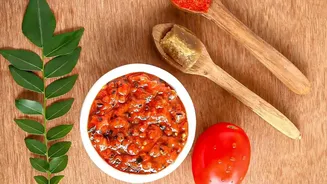
Making a basic cumin and tamarind sauce, often called imli chutney, is surprisingly straightforward. The process typically starts with tamarind pulp or paste, which is diluted with water. This mixture is then gently simmered and sweetened, often with jaggery (unrefined cane sugar) or regular sugar, to balance the tartness. Roasted ground cumin is a key spice, lending its signature smoky aroma. Many recipes also include a pinch of salt, ginger powder, and a hint of red chili for a subtle warmth. The sauce is cooked until it thickens to a desired consistency, often resembling a glossy syrup, perfect for dipping or drizzling.
How to Use Your Sauce
The versatility of a cumin and tamarind sauce is its greatest strength. In Indian cuisine, it's the indispensable sweet and tangy chutney served with snacks like samosas, pakoras, and various chaats. Its sweet and sour profile makes it an excellent glaze for grilled vegetables, chicken, or fish, creating a delicious caramelized crust. You can also thin it out with a bit of water to create a zesty salad dressing or use it as a dipping sauce for spring rolls and other appetizers. Don't hesitate to get creative by adding it to marinades or even drizzling it over tacos for an unexpected but delicious twist.