





The New Reality: Why Hill Stations Are Risky
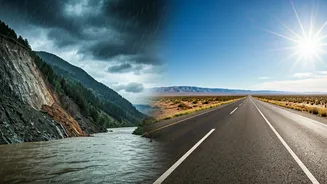
The romanticised image of a monsoon getaway in a popular hill station is facing a harsh reality check. An increasing frequency of extreme weather events, linked to climate change, is turning dream destinations into danger zones. Popular states like Himachal
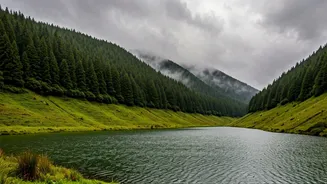
Pradesh and Uttarakhand, along with parts of the Western Ghats in Kerala and Karnataka, are now highly susceptible to landslides, flash floods, and cloudbursts during the monsoon months. Recent weather alerts from the India Meteorological Department (IMD) frequently warn of heavy to very heavy rainfall in these regions, advising caution. The very infrastructure built to support tourism, like hotels on steep slopes and widened roads, often makes the fragile ecosystem more vulnerable, increasing disaster risk. This means roads can be blocked for hours or days, cutting off access and leaving travellers stranded.
The Rain Shadow Sanctuaries: Ladakh and Spiti
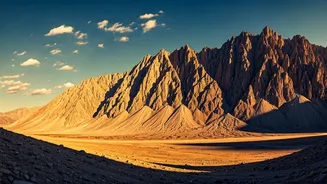
If you want to escape the monsoon rains entirely, head to the trans-Himalayan regions of Ladakh and Spiti Valley. These high-altitude deserts lie in a rain shadow, meaning the monsoon clouds can't reach them, resulting in a dry and pleasant climate between June and September. This makes it the peak season for visiting, offering breathtaking landscapes of barren mountains, turquoise lakes, and ancient monasteries under clear blue skies. While they are popular during this period, they provide a guaranteed escape from the floods and landslides plaguing other parts of the country, making them one of the smartest and safest choices for a mid-year trip.
The Deccan Plateau in Bloom: Hampi and Surroundings
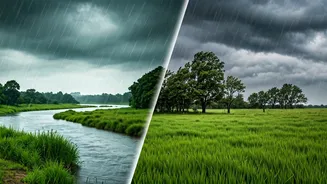
The Deccan Plateau offers a unique monsoon experience without the intense downpours of the coastal regions or the risks of the Himalayas. Places like Hampi in Karnataka, home to ancient ruins, see a dramatic transformation. The landscape, usually stark and arid, turns a vibrant green, with the Tungabhadra river flowing in its full glory. It receives less rainfall than the nearby Western Ghats, making exploration pleasant. This season is also considered off-peak, which means fewer crowds and lower prices. Exploring the boulder-strewn terrain and majestic temples against a backdrop of dramatic monsoon skies is an unforgettable sight. Other destinations on the plateau like Aurangabad, with the Ellora and Ajanta caves, offer a similar mix of history and gentle monsoon beauty.
The Desert's Green Surprise: Rajasthan's Oases
Rajasthan, the desert state, might seem like an unlikely monsoon destination, but it's a hidden gem. The rainfall here is much less intense than in other parts of India, breaking the scorching summer heat and cloaking the arid landscape in a thin veil of green. Cities like Udaipur and Mount Abu, the state's only hill station, become particularly enchanting. The lakes fill up, the Aravalli hills are lush, and the weather is pleasantly cool. You can explore majestic palaces and forts without the oppressive heat or the peak season crowds. It’s a chance to see a completely different, softer side of Rajasthan that few tourists get to witness.
The Eastern Coast: Tamil Nadu's Delayed Monsoon
While most of India receives rain from the southwest monsoon between June and September, the coastal plains of Tamil Nadu get the majority of their rainfall later in the year, during the northeast monsoon (October to December). This makes destinations like Puducherry, Mahabalipuram, and the temple towns of Madurai and Thanjavur relatively dry and accessible during the peak southwest monsoon period. You can explore the French Quarter of Puducherry or the ancient shore temples of Mahabalipuram with minimal disruption from rain. It provides a perfect alternative for those seeking a coastal or cultural experience without the risks associated with the west coast during this time.