






Understanding the Fats in Your Food
Before comparing ghee, butter, and oils, it’s helpful to understand the main players: fats. Dietary fats are essential for absorbing vitamins and providing energy. They broadly fall into two categories. Saturated fats, which are solid at room temperature,
are found in animal products like ghee and butter. Overconsumption of saturated fats can instruct your liver to produce more LDL or "bad" cholesterol, which is linked to an increased risk of heart disease. Unsaturated fats, typically liquid at room temperature, are predominant in plant-based oils. These are further divided into monounsaturated fatty acids (MUFAs) and polyunsaturated fatty acids (PUFAs). Both MUFAs and PUFAs are considered heart-healthy as they can help lower bad cholesterol (LDL) and sometimes raise good cholesterol (HDL), reducing the risk of cardiovascular issues.
The Case for Ghee and Butter
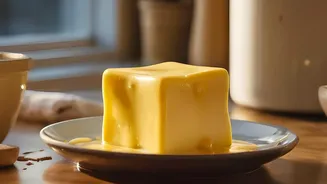
Ghee and butter are cherished not just for their rich flavour but also their role in our culture. Nutritionally, both are primarily composed of saturated fat. However, ghee has some unique properties. It is rich in butyrate, a short-chain fatty acid that may possess anti-inflammatory properties beneficial for gut health. It also contains fat-soluble vitamins like A, D, and E. A key advantage of ghee in the kitchen is its high smoke point, around 250°C, which makes it stable and safe for high-heat Indian cooking methods like tadka and frying. While some studies suggest moderate ghee consumption might not negatively impact lipid profiles, the general consensus is to use it in moderation due to its high saturated fat content.
The Rise of Cold-Pressed Oils
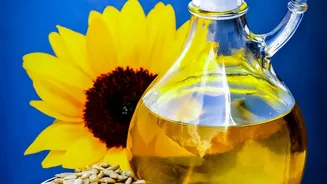
Cold-pressed oils, extracted without high heat or chemical solvents, retain more of their natural nutrients, antioxidants, and flavour compared to refined oils. Oils like cold-pressed mustard, groundnut, and sesame are rich in heart-healthy MUFAs and PUFAs. For instance, mustard oil is an excellent source of alpha-linolenic acid (ALA), a type of omega-3 fatty acid that fights inflammation and helps protect the heart. These unsaturated fats work to lower LDL (bad) cholesterol and triglyceride levels, which is a major win for cardiovascular wellness. Many cold-pressed oils are also packed with Vitamin E and other antioxidants that protect the body's cells from damage.
Why Smoke Point is Crucial
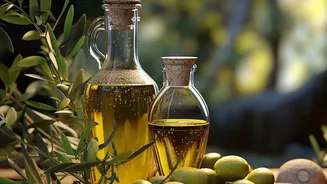
Choosing the right fat isn't just about its nutritional profile; it's also about how you use it. Every oil or fat has a smoke point—the temperature at which it begins to break down, lose nutrients, and produce harmful compounds. Using an oil above its smoke point can negate its health benefits. Ghee, with its high smoke point, is excellent for high-temperature cooking. Many cold-pressed oils are also quite stable. Cold-pressed groundnut and mustard oil, for example, have high smoke points suitable for most Indian cooking methods. However, some oils, like unrefined sesame oil or extra virgin olive oil, have lower smoke points and are best used for sautéing at lower temperatures or as finishing oils and in dressings.
Making the Smart Swap: A Balanced Approach
A heart-healthy strategy isn't about completely eliminating ghee and butter, but rather about smart substitution and rotation. Think of it as building a diverse portfolio of fats in your kitchen. Reserve ghee for flavour—a teaspoon on a hot roti or in your dal—where its taste can shine without contributing excessive saturated fat. For everyday cooking, stir-frying, and gravies, a cold-pressed oil like mustard, groundnut, or rice bran oil is a fantastic choice due to their favourable fatty acid profiles and high smoke points. The key is balance. By rotating your cooking oils and using ghee mindfully, you get the best of both worlds: the traditional flavours you love and the heart-protective benefits of unsaturated fats.