








The Undeniable Economic Promise
The push for tourism as an economic engine is built on a solid foundation. The sector is a significant employer, providing livelihoods for nearly 43 million people in 2023 and contributing over ₹19 trillion to the nation's GDP. Government initiatives
like the revamped Swadesh Darshan 2.0 scheme aim to develop world-class infrastructure and create thematic tourist circuits, from spiritual trails to heritage walks. The ambition is clear: make India a global tourism powerhouse, with projections aiming to generate 100 million additional jobs and attract 100 million international tourists by 2047. This strategy focuses on both domestic and international visitors, recognizing that a thriving tourism sector can spur regional development, boost foreign exchange earnings, and create demand for better roads, airports, and public facilities, especially in smaller towns and rural areas.
Paradise Under Pressure
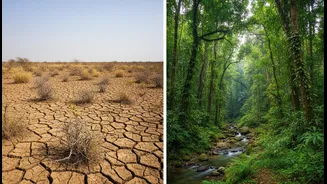
However, this relentless drive for growth is exacting a heavy toll. From the Himalayas to the coasts of Goa, India's most cherished landscapes are showing signs of severe strain. Hill stations like Shimla and Manali are grappling with 'overtourism,' where the sheer volume of visitors overwhelms local infrastructure. The visible symptoms are massive traffic jams and overflowing waste bins, but the deeper crisis involves acute water shortages, with residents often facing rationing while tourist facilities consume vast quantities. In the fragile Himalayan ecosystem, the impact is even more alarming. Unregulated construction, increased carbon emissions, and deforestation are contributing to habitat fragmentation and ecological degradation. Regions like Ladakh face a dual threat of glacial melt and mounting waste, with trekking routes and national parks struggling to cope.
Our Heritage Is Not a Commodity
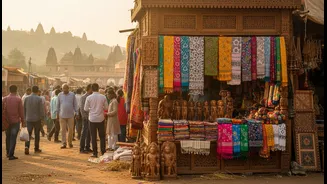
The threat extends beyond natural landscapes to our priceless cultural and historical sites. Uncontrolled foot traffic and commercialization are degrading the very fabric of heritage locations. In Goa, rampant and often illegal construction to cater to tourists has led to the irreversible destruction of ancient sand dune ecosystems, which serve as a natural defence against coastal erosion. Iconic sites like the Taj Mahal suffer from the effects of air pollution and urban sprawl, while the commercialization of rituals in spiritual centres like Varanasi and Rishikesh threatens their cultural authenticity. When a destination's capacity is ignored, and growth is prioritized over preservation, heritage stops being a revered legacy and becomes just another product to be consumed, risking long-term damage for short-term economic gain.
A More Sustainable Path Is Possible
The solution isn't to halt tourism, but to reimagine it. Across India, there are shining examples of how to balance economic needs with ecological and cultural preservation. States like Sikkim have pioneered a path of sustainable, community-based tourism, becoming India's first 100% organic state and implementing a ban on single-use plastics. In Nagaland, Khonoma village has transformed from a community of hunters to one of conservationists, earning recognition as India's first green village. Kerala's Responsible Tourism Mission directly involves local communities in offering homestays and cultural experiences, ensuring that the economic benefits are distributed locally. These models prove that tourism can be a force for good. Ecotourism initiatives not only protect biodiversity but also create meaningful livelihoods for local populations, from eco-guides in Uttarakhand to wildlife protectors in national parks like Dudhwa.