






In recent weeks, a wave of technology outages has rattled the United States, grounding flights, halting bank transactions, and disrupting government agencies. As speculation about a coordinated cyberattack grew, officials have been quick to deny it.
The Official Position: No Single Culprit
Top
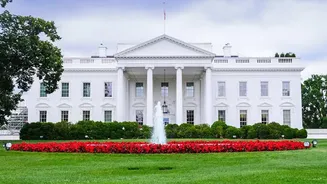
US officials have been unified in their message: there is no evidence to suggest the recent string of high-profile system failures is the result of a coordinated, malicious cyberattack. Statements from the White House, the Director of National Intelligence, and the Department of Homeland Security have all emphasized that these are separate incidents with distinct causes. Instead of a single hostile actor, they point to a confluence of technical glitches, maintenance issues, and the complex nature of modern, interconnected systems. For instance, the Federal Aviation Administration (FAA) ground stop was preliminarily linked to a router installation during an equipment upgrade, while a major Microsoft outage was attributed to a latent software bug from months prior. Chase Bank cited a bug in its own on-premise hardware for its transaction delays. These official explanations aim to quell public fear but also highlight a different, perhaps more unsettling, kind of vulnerability.
Why the 'Coordinated Attack' Theory Falls Short
The idea of a single, powerful adversary bringing a nation to its knees is a compelling narrative, but cybersecurity experts largely agree it doesn't fit the facts here. The technical fingerprints of the various outages are simply too different. One was a cloud-based software issue, another was related to on-site physical hardware, and a third involved telecommunications network instability. According to a senior official from the Cybersecurity and Infrastructure Security Agency (CISA), a statistical analysis showed that while the outages were high-profile, the overall number of internet disruptions was not significantly higher than average. This suggests a series of unfortunate, attention-grabbing coincidences rather than a concerted assault. While the timing is suspicious to many, the evidence points to a collection of unrelated faults occurring in a short period.
A New Culprit? The Rush to Patch
If it wasn't a cyberattack, what is the common thread? Some experts and officials are pointing to an unexpected factor: the race to improve security. Advanced AI tools are now able to discover software vulnerabilities at an unprecedented speed. This has created immense pressure on companies and government agencies to release patches and fixes before malicious actors can exploit these newfound flaws. According to this theory, the recent outages may be the unintentional consequence of this frantic pace. When organizations rush to deploy multiple, complex updates simultaneously, especially on aging or 'legacy' infrastructure, the risk of something breaking increases dramatically. A system can become overwhelmed or a patch can have unforeseen conflicts with other software, leading to a cascading failure. This appears to have been a factor in the disruption at the National Security Agency (NSA), which occurred during routine maintenance that included software patching.
A Brittle and Interconnected Reality
Ultimately, the recent wave of failures serves as a powerful reminder of how fragile and deeply interconnected our critical infrastructure has become. Whether it's a banking system, an airline network, or a cloud service provider, these systems often rely on a complex web of older and newer technologies working in harmony. When one piece fails—due to a bug, human error, or hardware failure—it can create ripple effects across the network. Experts note that many of these outages were caused by systems being pushed beyond their originally designed capacities. The incidents have sparked calls for a deeper investigation into these shared weaknesses, including aging equipment, contractor oversight, and the adequacy of backup systems. The focus is shifting from the fear of a single attack to the sober reality of ensuring the resilience of the essential services people rely on daily.