



Munnar, Kerala
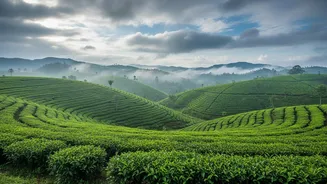
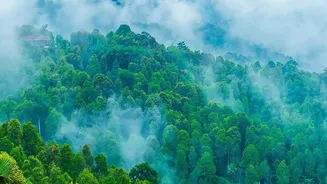
While Munnar’s tea gardens are famous year-round, the monsoon gives them a whole new life. From June to September, heavy rains wash the tea leaves to a brilliant, almost glowing shade of green. The entire region is draped in a thick, romantic mist, with
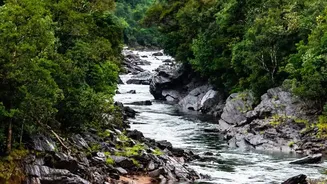
clouds floating down into the valleys. Waterfalls that are mere trickles in summer, like Attukad and Lakkam, become powerful, roaring spectacles. The season also brings fewer crowds, meaning you can enjoy the serenity of the misty hills and the scent of wet earth in relative peace. It's a time when the hill station feels quieter, cooler, and intensely green.
Udaipur, Rajasthan
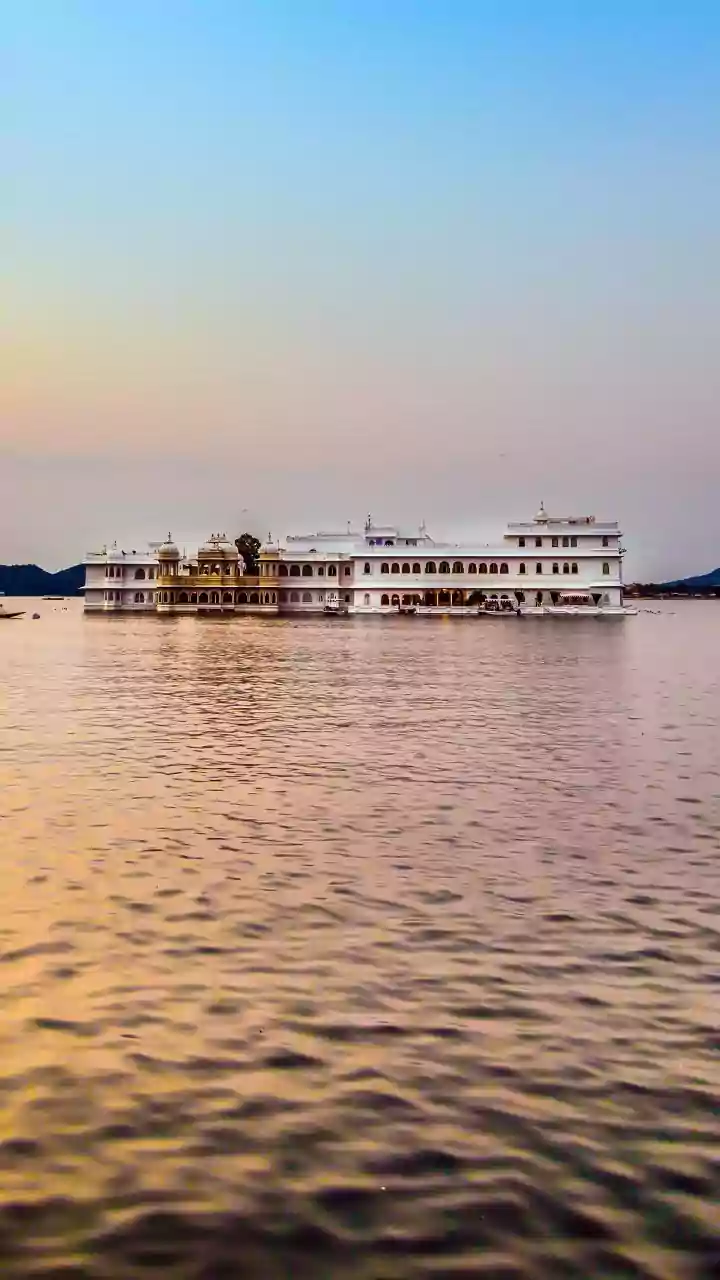
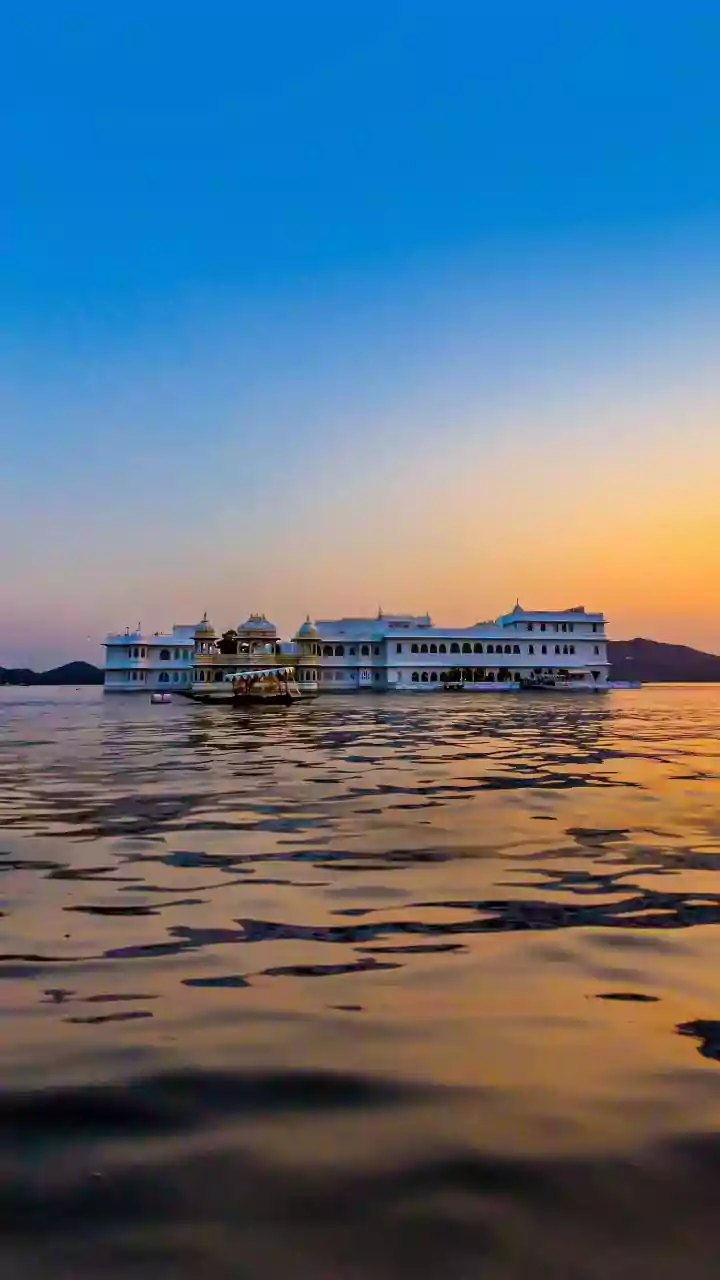
Rajasthan in the monsoon? It’s a surprising but spectacular choice. The dry, sun-baked Aravalli Hills that surround Udaipur undergo a dramatic change, carpeting themselves in a soft layer of green. The city’s famous lakes, Pichola and Fateh Sagar, fill to the brim, reflecting the majestic palaces against a backdrop of dark, dramatic clouds. The aptly named Sajjangarh Monsoon Palace, perched on a hill, offers breathtaking views of the rain sweeping across the landscape. Unlike in other regions, the rainfall here is often moderate—think short, intense afternoon showers that leave the evenings cool and pleasant, washing the city's marble facades to a clean, soft glow.
Coorg, Karnataka
Known as the 'Scotland of India', Coorg’s beauty is amplified during the rains. The region's sprawling coffee plantations become lush and vibrant, their glossy leaves glistening with raindrops. The air fills with the rich aroma of wet soil and fresh coffee blossoms. This is the best time to see Coorg's waterfalls in their full, thunderous glory, especially the famous Abbey Falls, which becomes a powerful cascade. The entire landscape is a panorama of emerald greens and misty valleys, making even a simple drive a scenic adventure. For adventure seekers, the Barapole River's rapids become more exhilarating, offering a prime season for river rafting.
Valley of Flowers, Uttarakhand
This destination offers an experience that is only possible during the monsoon. The Valley of Flowers National Park, a UNESCO World Heritage Site, is a high-altitude Himalayan valley that lies dormant under snow for most of the year. It bursts into life between July and September, when the monsoon rains trigger the blooming of hundreds of species of alpine flowers. The entire valley transforms into a vibrant carpet of colour, with flowers like the Himalayan Blue Poppy, primulas, and orchids creating a surreal landscape. Trekking through the valley during this time means walking through misty, cloud-covered meadows filled with flowers, a truly unique and time-sensitive natural spectacle.
Orchha, Madhya Pradesh
Orchha offers a different kind of monsoon magic, where history and nature beautifully intertwine. This medieval town, with its magnificent palaces, temples, and cenotaphs, is set against the Betwa River. During the monsoon, the typically dry, arid landscape becomes surprisingly lush and green. The grand, weathered stone of the forts and temples provides a stunning contrast to the vibrant foliage. The Betwa River, often gentle, swells into a rushing, powerful force, adding a dramatic flair to the scenery. From the rooftop of the Chaturbhuj Temple, you can witness a panoramic view of the entire town enveloped in a fresh canopy of green, a sight far removed from its dry-season appearance.