


The First Crucial Steps
As soon as you’re indoors, begin the recovery process. The first few actions are critical for preventing long-term damage and odour. Start by removing the insoles and laces; this opens up the shoe and allows air to circulate more freely. If your shoes
are muddy, wipe them down with a damp cloth to remove any dirt or grime before they dry and stain. For very wet shoes, blot the exterior with a dry cloth or towel to remove surface water. This initial prep work significantly speeds up the drying process and sets your footwear up for a successful recovery.
The Classic Method: Upgraded
Stuffing shoes with newspaper is a time-tested method for a reason: the paper absorbs moisture from the inside out. However, you can improve on this classic trick. Instead of newsprint, which can sometimes transfer ink to light-coloured interiors, consider using plain paper towels or microfibre cloths. Pack the material loosely inside the shoe, making sure to fill the toe area without distorting the shoe's shape. The key to this method is to replace the absorbent material every few hours. Once the paper feels damp, swap it out for fresh, dry sheets to continue wicking away moisture effectively.
The Airflow Advantage: Using a Fan
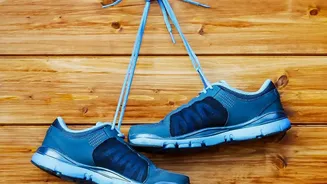
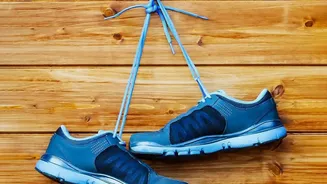
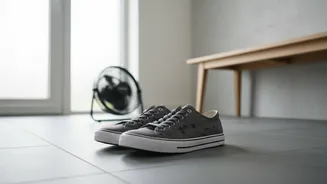
One of the safest and quickest ways to dry shoes is to use a simple household fan. Unlike direct heat, cool, circulating air evaporates moisture without damaging leather, shrinking fabrics, or weakening glue. Position your prepared shoes (insoles and laces removed) in front of a floor or table fan. You can prop them up or even hang them from the fan's grille using S-hooks made from an old wire hanger to ensure air flows directly inside. This method can dry a pair of sneakers in just a few hours and is a fantastic no-heat solution.
The Desiccant Draw: Silica and Other Absorbers
Those little silica gel packets that come in new shoe boxes are powerful moisture absorbers. Instead of tossing them, save them for a rainy day. Placing a few packets inside each wet shoe can effectively draw out dampness, especially overnight. This is a particularly gentle method for delicate materials like leather and suede that are sensitive to any form of heat. For a DIY alternative, you can fill a sock with uncooked rice and place it inside the shoe, though silica is generally more effective. Once your shoes are mostly dry, sprinkling a small amount of baking soda inside can help absorb any lingering moisture and neutralise odours. Just be sure to vacuum it out before wearing them again.
The Tech Solution: A Dedicated Shoe Dryer
For those who frequently deal with wet footwear from rain or athletic activities, investing in an electric shoe dryer can be a game-changer. These devices work by circulating gently warmed or room-temperature air inside the shoes, significantly reducing drying time. Most models can dry a pair of shoes in a few hours and are designed to be safe for a variety of materials. They are also highly effective at preventing the growth of odour-causing bacteria and mould, which helps extend the life of your footwear. While there's an upfront cost, a shoe dryer is a worthwhile investment for maintaining comfort, hygiene, and the longevity of your shoe collection.
What You Must Never Do
Hasty drying methods can cause permanent damage. Never place your shoes directly on a radiator, near a fireplace, or use a hairdryer on a high heat setting. Intense, direct heat can cause leather to crack, shrink, and become brittle. It can also melt adhesives, causing the soles to separate, and warp synthetic materials. Even leaving shoes to dry in direct sunlight can lead to fading and material degradation. Patience and gentle methods are always the best policy for preserving your footwear.