

Why the Monsoon is a High-Risk Season
The rainy season creates a perfect storm for germs. High humidity allows bacteria, viruses, and fungi to multiply rapidly on food surfaces. Heavy rainfall can lead to waterlogging and contaminate municipal water supplies, which are often used by street
vendors and even in our homes for washing produce. This contaminated water is a primary cause of illnesses like typhoid, cholera, and gastroenteritis. Furthermore, our digestive systems can become more sensitive during this season, making us more susceptible to infections from contaminated food and water. Understanding these environmental factors is the first step to protecting yourself.
The Truth About Pre-Cut Fruits
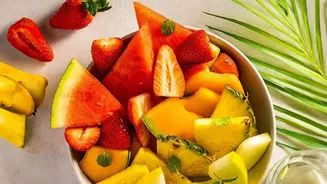
That convenient packet of pre-cut fruit from a street vendor might seem like a healthy snack, but experts advise caution. Once a fruit's protective peel is removed, its flesh is exposed. When left in the open, especially in humid monsoon weather, it becomes a breeding ground for bacteria. The longer the fruit sits after being cut, the higher the risk of contamination from the air, flies, and unclean surfaces. It is always safer to buy whole fruits, wash them thoroughly at home with clean water, and cut them yourself just before eating. Fruits with thick peels that you remove yourself, like bananas and oranges, are generally a safer bet.
Rethinking Raw Salads and Vegetables
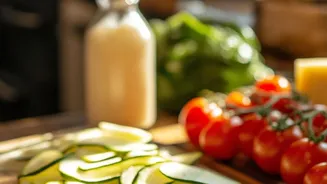
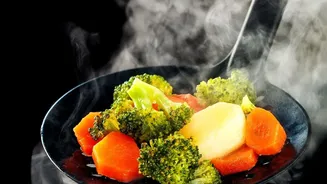
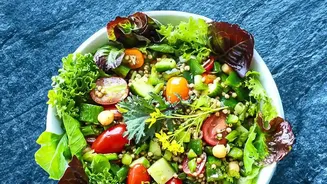
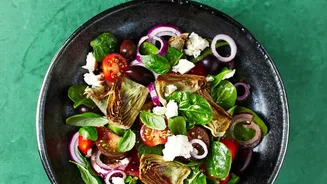
A raw vegetable salad is often considered a healthy meal, but during the monsoon, it carries significant risks. Leafy greens like spinach, lettuce, and cabbage have many folds where dirt, germs, and even tiny insects can hide, making them difficult to clean completely. These vegetables can be contaminated by dirty water during irrigation or washing. Similarly, vegetables with dense florets like cauliflower and broccoli can trap moisture and microbes. Health experts recommend avoiding raw salads during this season. Instead, opt for steamed, blanched, or stir-fried vegetables to kill any harmful pathogens. If you do have a salad, make sure the vegetables are washed meticulously, perhaps even in salt water, and prepared at home.
Navigating Street Food Cravings
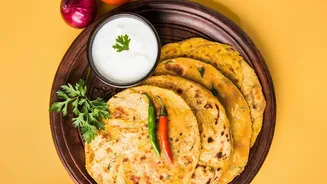
The craving for hot pakoras and spicy chaat intensifies with the rain, but street food is particularly hazardous during the monsoon. The primary risk comes from contaminated water used in chutneys and for washing. Foods like pani puri, where unboiled water is a key ingredient, are especially risky. Open food stalls are also exposed to flies and dust, which are more prevalent in the damp weather. If you must indulge, experts suggest choosing vendors who maintain high standards of hygiene and sticking to foods that are prepared fresh and served piping hot, like freshly fried samosas or bhajiyas. The high temperature of the oil helps kill surface bacteria. It is best to avoid any raw chutneys or sauces that have been sitting out.
General Rules for a Healthy Monsoon
Beyond specific foods, a few general practices can significantly lower your risk of getting sick. Always prioritize freshly prepared, home-cooked meals. Drink only boiled, filtered, or bottled water to avoid waterborne diseases. When storing food, use airtight containers and refrigerate leftovers promptly, as food spoils much faster in humid weather. Boost your immunity by including ingredients like ginger, garlic, and turmeric in your cooking, which have natural antimicrobial properties. Probiotic-rich foods like curd and buttermilk can also support gut health and aid digestion.