





The Romantic vs. The Reality
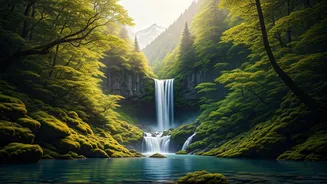
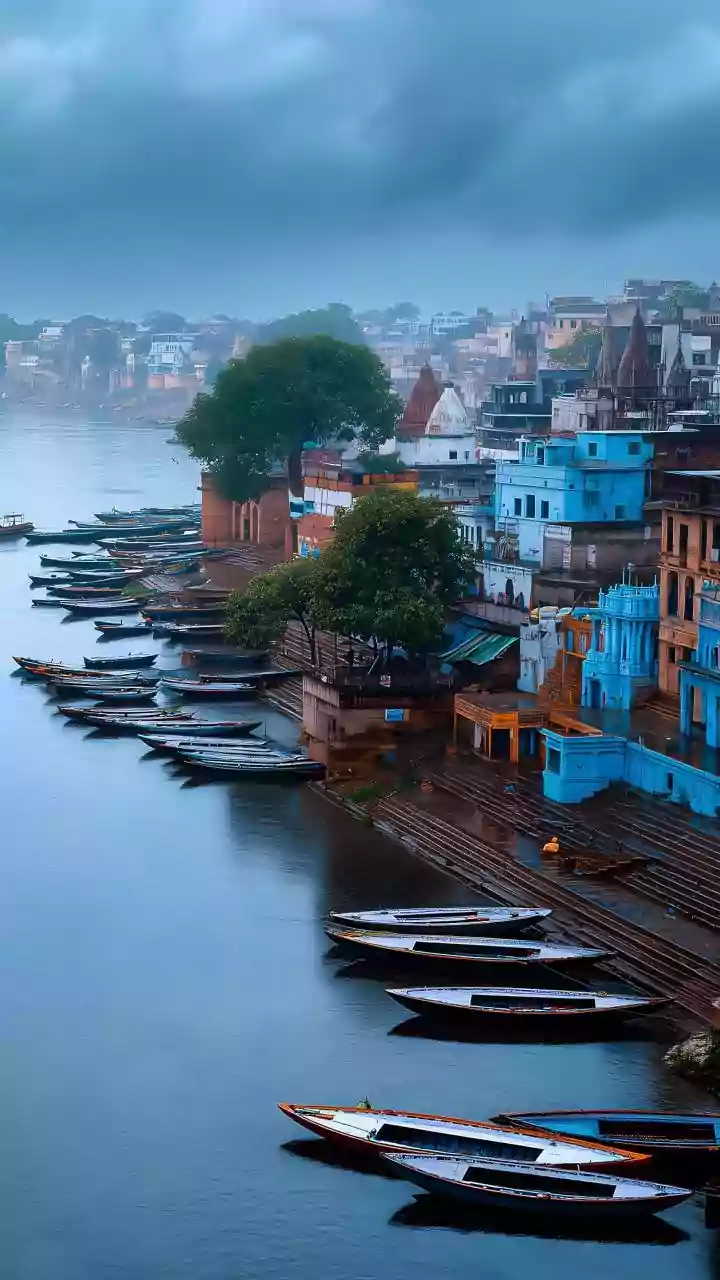
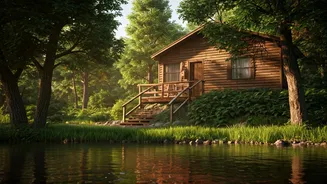
We've all seen the pictures: a lone cottage shrouded in mist, a rain-drenched fort looking majestic, or a waterfall in its full, thunderous glory. These images fuel our desire for a monsoon getaway. However, the reality behind these perfect shots often
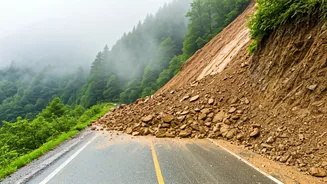
involves a high degree of unpredictability. Heavy downpours, especially in hilly regions like Himachal Pradesh, Uttarakhand, and the Western Ghats, can trigger landslides, blocking roads for hours or even days. Flash floods can submerge access routes, and flight schedules can become utterly chaotic due to poor visibility. Tourist attractions, particularly outdoor ones like trekking trails or viewpoints, might be closed without notice due to safety concerns. A rigid, minute-by-minute itinerary is a recipe for disappointment. The first step to a successful monsoon trip is acknowledging that nature is in charge, and your best-laid plans might need to change.
Build a 'Flexi-tinerary'
Instead of a rigid schedule, build what seasoned travellers call a 'flexi-tinerary'. This approach prioritises flexibility and options. Start with your bookings. Whenever possible, opt for refundable flight tickets and hotel reservations. Many booking platforms now offer 'free cancellation' options for a slightly higher price; during monsoon, this premium is worth its weight in gold. Choose your primary destination wisely, but also research one or two alternative locations nearby that are accessible via different routes. For instance, if your main plan is a specific hill station in the Ghats, your Plan B could be a coastal town that is less prone to landslides. Don't book all your activities in advance. Keep your days open, allowing for spontaneity based on the weather. A rainy morning might be perfect for a local cooking class or exploring a museum, while a sunny afternoon can be seized for that trek you wanted to do.
Choose Your Monsoon Haven Wisely
Not all destinations are created equal during the rainy season. While the allure of the mountains is strong, they are often the highest-risk zones. If you must visit the hills, stick to more accessible and well-established towns rather than remote villages. Better yet, consider destinations where the monsoon enhances the experience without extreme risk. The less-rainy 'rain shadow' regions, like parts of Tamil Nadu, can be great options. The landscapes of Rajasthan, washed clean by the rain, turn surprisingly green and beautiful, with places like Udaipur and Bundi offering a unique charm. Goa, while wet, has its own off-season appeal with lush scenery, fewer crowds, and lower prices, provided you stick to the main towns with solid infrastructure. The key is to research recent weather patterns and local advisories before booking.
Pack for Possibilities, Not Just Plans
Your packing list needs to reflect your flexible approach. A raincoat and umbrella are just the start. Pack clothes made of quick-dry fabrics; jeans are a terrible idea as they take forever to dry. Include a 'dry bag' or several ziplock bags to protect your electronics, wallet, and important documents. A sturdy pair of waterproof sandals or floaters with good grip is essential. Carry a basic first-aid kit with remedies for common ailments, as reaching a pharmacy might be difficult if you're stuck. Power banks are non-negotiable, as power cuts can be frequent. Most importantly, download offline maps of the region on your phone. Google Maps and other services can be a lifesaver, but only if you have them accessible when mobile data is patchy or non-existent.
Embrace the Art of the Pivot
So, what happens when your road is blocked or your trek is cancelled? This is where your Plan B mindset truly kicks in. The first rule is not to panic. Use the time to connect with locals—your hotel manager, a cafe owner—they are the best source of real-time information and can often suggest safe, accessible alternatives you wouldn't find online. Perhaps the main road is closed, but a smaller, local route is open. Maybe the famous viewpoint is inaccessible, but there’s a beautiful old temple just a short walk away. Sometimes, the best Plan B is to do nothing at all. Being 'stuck' in a beautiful place can be a blessing. It’s an opportunity to slow down, read a book, enjoy the rain from a covered balcony, and actually relax, which was the point of the holiday in the first place.