




India's rich tapestry of cultural and natural wonders has received a new nod on the global stage. Three unique sites have been added to UNESCO's Tentative List, bringing the country's total number of potential World Heritage Sites to an impressive 81.
The First Step to Global Recognition
Before a landmark can be crowned a UNESCO World Heritage Site, it must first feature on its country's Tentative List. This list is an inventory of properties that a nation considers to have 'outstanding universal value' and intends to nominate in the coming years. Inclusion is a mandatory first step, acting as a forecast of future nominations. Once a site is on this list, a country can prepare a detailed nomination dossier for consideration by the World Heritage Committee. This process is meticulous, involving independent evaluations by bodies like the International Council on Monuments and Sites (ICOMOS) and the International Union for Conservation of Nature (IUCN). This recent update to India's list, confirmed by the Permanent Delegation of India to UNESCO, marks a significant move towards gaining international recognition for these new sites.
Chhattisgarh's Ancient Urban Landscape
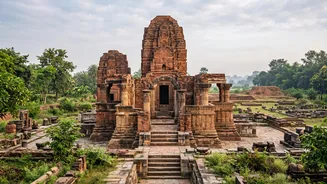
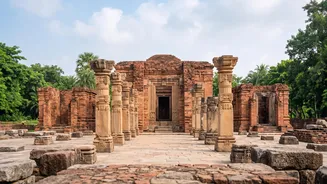
One of the new cultural nominees is the Sirpur Cultural and Archaeological Landscape in Chhattisgarh. Located on the banks of the Mahanadi River, Sirpur was once a bustling capital of the Dakshina Kosala kingdom. The site showcases a remarkable history of religious coexistence, with archaeological remains of Hindu and Buddhist structures dating from the 5th to the 12th century CE. Key structures include the 7th-century Lakshmana Temple, a pioneering brick temple dedicated to Vishnu, as well as Shaiva temples and Buddhist viharas (monasteries). The site’s nomination highlights its importance as an integrated medieval urban complex that played a crucial role in regional trade networks.
Andaman's Unique Geological Wonders
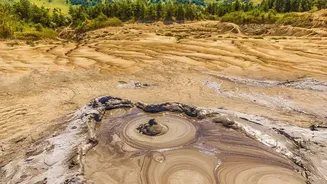
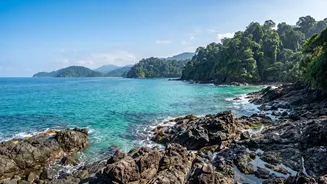
Two of the new additions are from the Andaman and Nicobar Islands, both celebrated for their unique natural and geological features. The first is the Karst-mud-volcano Complex of Baratang. This site is a rare combination of limestone caves formed by the dissolution of rock (karst) and active mud volcanoes that spew mud and natural gases. The Geological Survey of India recognised the Baratang Mud Volcano as a geo-heritage site in 2025. The area, known locally as 'Jalki', is a significant example of seismically triggered mud volcanism and is embedded within a landscape of rich tropical biodiversity.
The Fiery Heart of the Andaman Sea
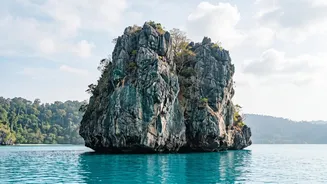
The second nominee from the region is the Andaman Subduction Volcanoes, which includes Barren Island and Narcondam Island. Barren Island is particularly notable as it is home to South Asia’s only confirmed active volcano, with its last recorded activity creating an ash plume in January 2026. Narcondam is a dormant volcanic island known for its distinct flora and fauna, including the endemic Narcondam hornbill. Together, these islands provide a living laboratory for studying volcanic processes and the evolution of isolated ecosystems shaped by the subduction of the Indian Plate beneath the Burma microplate.
A Testament to India's Heritage
With the inclusion of these three sites, India's Tentative List now stands at 81, a powerful statement about the depth and diversity of its heritage. This list is a crucial tool for heritage management and conservation, drawing attention and resources to sites long before they are even considered for the final World Heritage List. While the path from tentative nomination to final inscription is long and challenging—often taking several years—each addition to the list is a victory for preservation. It signals a national commitment to protecting these treasures and sharing their stories with the world.