








The Daily Urban Gauntlet
Life in metropolitan India is a constant negotiation with the environment. Many Indian cities consistently rank among the world's most polluted. Long-term exposure to high levels of particulate matter is linked not just to respiratory issues like asthma
but also to cardiovascular diseases and even cognitive decline. This isn't just a background statistic; it's the air you breathe on your morning walk, the grime that settles on your balcony, and a key reason why even simple outdoor exercise can feel like a health risk. This constant environmental stress forms the first major barrier to a sustainable health routine, turning the very act of living and breathing into a health challenge.
The Time-Poverty Trap
If the environment is the external challenge, the clock is the internal one. India's workforce is known for logging some of the longest hours globally. Add to this the gruelling daily commute, which can stretch for hours in cities like Mumbai, Delhi, and Bengaluru, and you have a recipe for chronic time poverty. This isn't just lost time; it's lost energy and motivation. When you leave home before sunrise and return after sunset, exhausted from traffic and work pressures, the choice between cooking a nutritious meal and ordering in, or hitting the gym versus collapsing on the sofa, becomes an easy one. This culture of overwork and 'presenteeism' makes health feel like a luxury that requires time and energy that many urban professionals simply do not have.
A Shifting Food Landscape
Urbanisation has profoundly changed how India eats. The rise in non-communicable diseases (NCDs) like diabetes and hypertension in cities is directly linked to lifestyle shifts, including diet. While an array of global cuisines is more accessible than ever, so are highly processed foods and quick-fix meals. The convenience of food delivery apps, while a lifesaver on busy days, also makes it easier to opt for unhealthy choices. This creates a double burden, particularly for the urban poor, who may face both malnutrition and rising rates of obesity and NCDs. The challenge is no longer just about food availability, but about navigating a complex food environment to make consistently healthy choices.
The Mental and Social Weight
The physical stressors of city life are compounded by a significant mental load. The constant noise, crowding, and high-pressure work environments contribute to rising rates of stress, anxiety, and burnout. Mental well-being is foundational to physical health; when you're chronically stressed, it’s harder to find the motivation for self-care. Furthermore, the traditional community structures that once supported well-being have frayed. While cities offer density, they can also foster social isolation. Building a sustainable health routine often requires a support system, whether it's a workout partner, a community park for recreation, or simply a safe and quiet space to de-stress, all of which can be hard to find.
Forging a Sustainable Path Forward
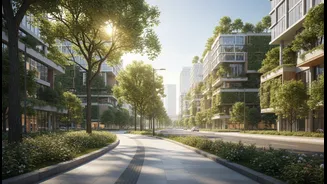
Given these challenges, the goal shouldn't be perfection but sustainability. This means reframing healthy living not as an all-or-nothing sprint, but as a series of small, adaptable habits integrated into the reality of urban life. It’s about finding a 20-minute home workout for days when the commute is too long. It’s about making one healthier choice on the takeaway menu. It’s about leveraging community, whether through local fitness groups or online wellness platforms. Creating more green spaces, like parks and gardens, is also crucial, as they are proven to reduce stress, filter air, and encourage physical activity. True sustainability lies in creating routines that are resilient enough to withstand the pressures of the city, bending without breaking.