



India’s Humble Superfood
Moringa oleifera, known across India as Sahjan, Shevga, or the ‘drumstick tree’, is not a new discovery. For centuries, its leaves, pods, and flowers have been staples in traditional Indian cuisine and Ayurvedic medicine. While the drumsticks themselves
are a beloved ingredient in sambar and other curries, it’s the leaves that pack the most potent nutritional punch. Often overlooked, these small leaves are a treasure trove of vitamins, minerals, and protein. Now available in convenient dried flake or powder form, moringa is easier than ever to incorporate into your daily diet, offering a simple bridge between traditional wisdom and modern wellness.
Answering the Iron Question
The headline claim is strong, and for good reason. Dried moringa leaves are exceptionally rich in iron, a crucial mineral for producing haemoglobin, which carries oxygen in your blood. Iron deficiency is a widespread issue in India, leading to anaemia, fatigue, weakness, and poor concentration. While spinach is often lauded for its iron content, studies show that moringa leaf powder can contain significantly more iron per gram. It provides a powerful plant-based source of this essential mineral, making it particularly valuable for vegetarians, vegans, and anyone looking to increase their iron intake naturally. It’s a simple dietary addition that directly addresses a common nutritional gap, helping to build stronger blood and boost overall energy levels.
Your Dal’s New Best Friend
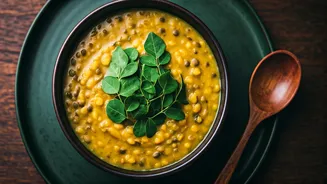
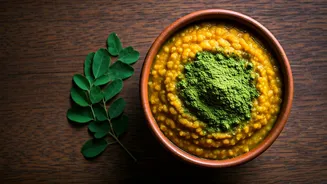
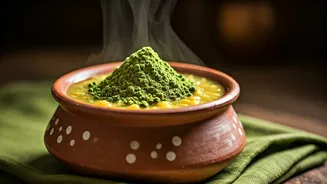
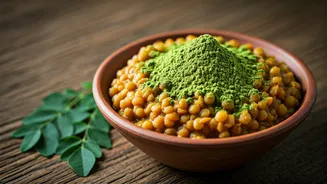
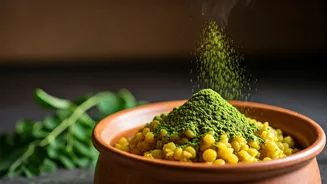
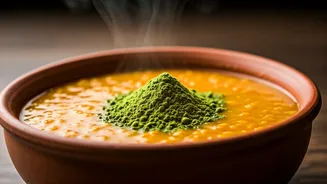
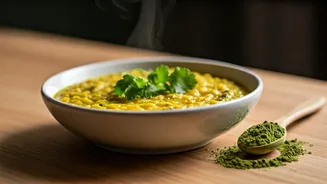
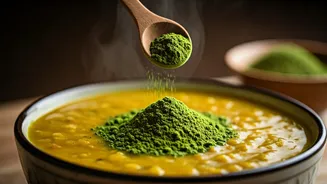
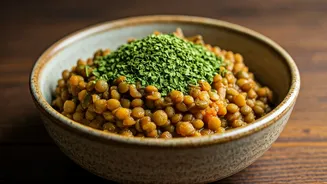
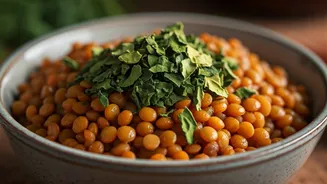
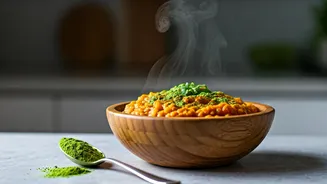
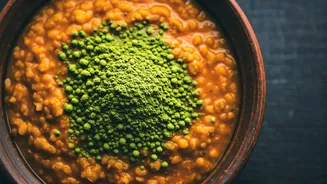
So, how do you do it? It couldn't be simpler. The beauty of moringa flakes is their mild, slightly earthy flavour, which blends seamlessly into the robust, spiced profile of a typical Indian lentil stew (dal). You don’t need to change your family’s favourite recipe. For a serving that feeds four, start by adding one to two teaspoons of moringa leaf flakes or powder. The best time to add it is in the last few minutes of cooking, just before you turn off the heat. Stir it in well until it dissolves. This prevents overcooking the moringa, which can diminish some of its nutritional value. The flakes will disappear into the dal, adding a nutritional boost without significantly altering the taste or texture. For an extra benefit, squeeze a bit of lemon or lime juice over your dal before eating; the Vitamin C helps your body absorb the plant-based iron from the moringa more effectively.
More Than Just Iron
While its iron content is a major highlight, moringa’s benefits don’t stop there. It is a complete plant protein, containing all nine essential amino acids. It’s also packed with Vitamin A, which is vital for vision and immune function, and Vitamin C, a powerful antioxidant. Furthermore, it is a good source of calcium for bone health and potassium for maintaining healthy blood pressure. By adding moringa to your dal, you’re not just tackling one nutritional need; you’re introducing a spectrum of essential nutrients that support everything from your immune system to your muscle and bone health. It’s a multi-tasking ingredient that works hard to supplement your diet.
A Word on Quality and Use
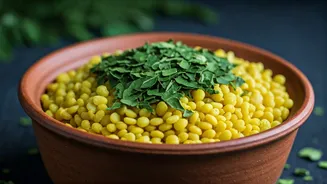
To get the most benefit, quality matters. Look for moringa powder or flakes that are bright green, which indicates they have been dried properly and are fresh. A brownish colour suggests oxidation and a loss of nutrients. When you first start using moringa, begin with a small amount (like half a teaspoon per serving) to see how your body reacts. While it is generally very safe, some people may experience mild digestive effects if they consume too much too soon. Remember, moringa is a powerful dietary supplement, not a cure for medical conditions. If you have severe anaemia or other health concerns, it is a wonderful addition to your diet but should not replace professional medical treatment.