

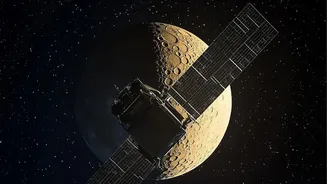
A Bonus Mission from Lunar Orbit
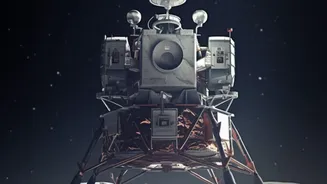
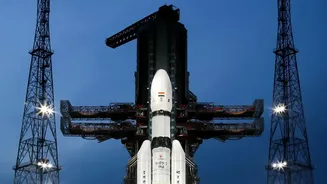
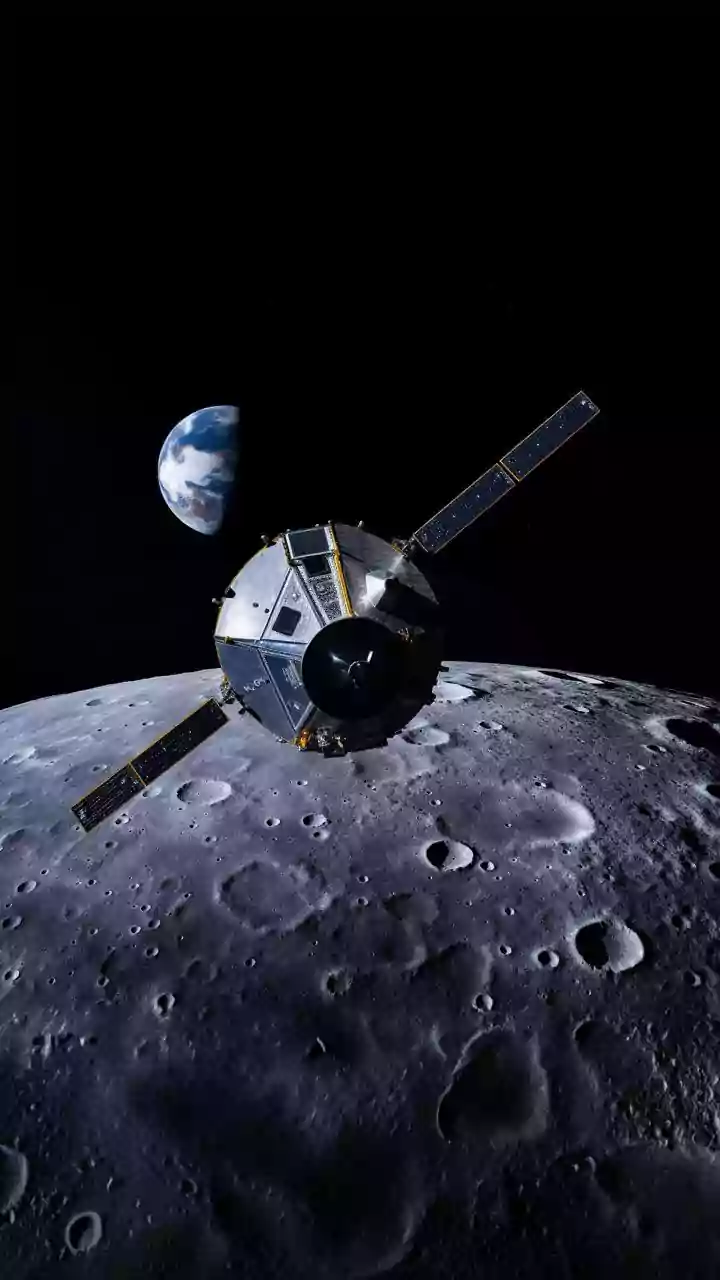
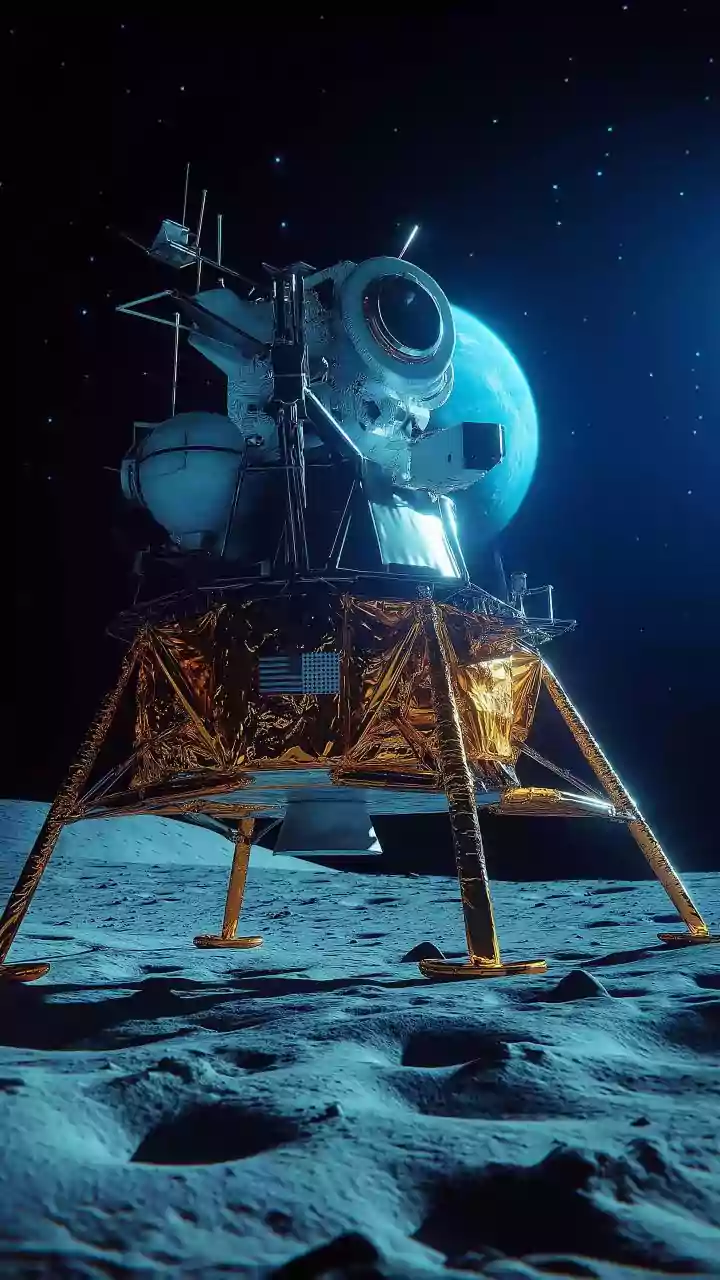
The world watched in August 2023 as the Vikram lander successfully touched down on the Moon, a monumental achievement for ISRO and India. But the mission didn't end there. The Propulsion Module, the component that carried the lander and rover to their
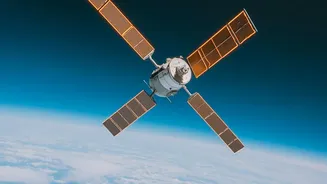
lunar destination, was not simply discarded. Thanks to precise manoeuvres that saved a significant amount of fuel, ISRO embarked on an ingenious extended mission. This bonus objective involved the module's lone scientific instrument: SHAPE, or the Spectro-polarimetry of HAbitable Planet Earth. Instead of continuing to focus on the Moon, SHAPE turned its gaze back towards home, initiating a unique and valuable phase of Earth observation from a lunar vantage point.
Seeing Our Planet as an Exoplanet
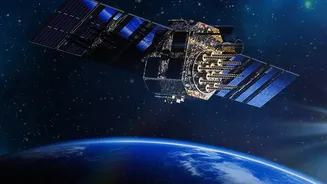
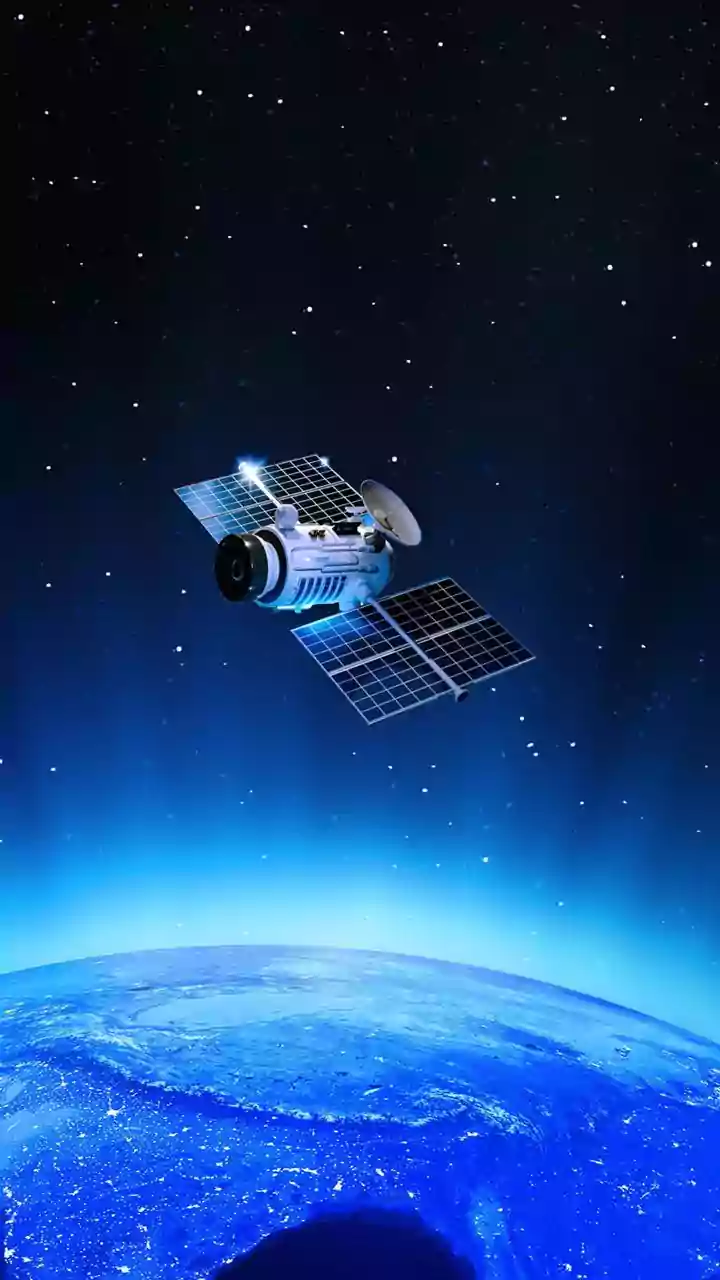
The primary goal of SHAPE was to study Earth as if it were a distant exoplanet. From its perch in lunar orbit, and later in a high Earth orbit, the instrument collected data on the light reflected from our planet. This perspective is crucial because when astronomers use powerful telescopes to look for planets outside our solar system, they see them only as tiny points of light. By studying Earth—a known habitable world—from far away, scientists can establish a baseline, a sort of 'cheat sheet' for what a life-sustaining planet looks like from a great distance. SHAPE's observations are designed to create a detailed fingerprint of a habitable planet's atmosphere and surface features, which will be invaluable for future missions aimed at finding other Earths.
The Science of Spectro-polarimetry
SHAPE doesn't just take a simple picture. It uses a technique called spectro-polarimetry. Spectroscopy breaks down light into its component colors, revealing information about the gases in an atmosphere, like oxygen and water vapor. Polarimetry, on the other hand, measures the orientation of light waves. When light reflects off a surface or passes through clouds, its polarisation changes. This can tell scientists about the presence and properties of clouds, oceans, and even vegetation. By combining these two methods, SHAPE gathers incredibly detailed data about Earth’s atmosphere, including its clouds, which play a major role in a planet's climate and habitability. This sophisticated analysis provides clues that simple light measurements alone cannot.
Creating a Blueprint for Life
The data collected by Chandrayaan-3's SHAPE instrument serves a critical long-term purpose: it helps build predictive models for the next generation of powerful telescopes. Future observatories, like the Habitable Worlds Observatory planned for the 2040s, will be tasked with directly imaging Earth-like exoplanets. The challenge will be interpreting the faint light from these distant worlds. Is that signature a sign of water vapor? Are there clouds? Could that flicker be sunlight glinting off an ocean? The benchmark data from SHAPE provides a vital reference point. By understanding the detailed spectro-polarimetric signature of our own living planet, astronomers will be better equipped to identify and confirm the habitability of planets orbiting other stars, significantly advancing the search for life in the universe.
An Enduring Legacy of Ingenuity
After completing its primary task, ISRO ingeniously moved the Propulsion Module from lunar orbit back to a high Earth orbit to continue its observations, a manoeuvre that also provided valuable experience for potential future sample-return missions. This decision transformed the module from a transport vehicle into a long-term Earth and space observatory. The continued operation of the SHAPE payload demonstrates a commitment to maximizing scientific return from every mission component. While the Vikram lander and Pragyan rover made history on the lunar surface, the quiet, persistent work of the Propulsion Module high above has expanded Chandrayaan-3's legacy far beyond the Moon, contributing directly to one of humanity's most profound quests.