

Mysuru Dasara: More Than a Royal Spectacle
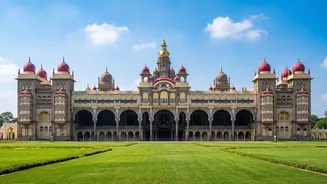
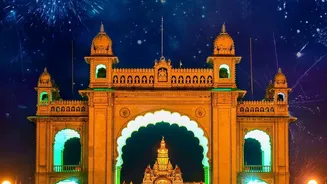
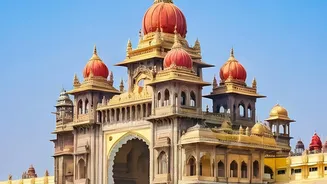
Known as the 'Nadahabba' or state festival of Karnataka, Mysuru Dasara is a 400-year-old tradition that transforms the entire city into a stage. While the illuminated Mysore Palace, glittering with nearly 100,000 bulbs, is the iconic centerpiece, the festival's
true magic lies in its deep-rooted connection to Kannadiga culture. Historically continued by the Wodeyar kings from the traditions of the Vijayanagara Empire, Dasara celebrates the victory of Goddess Chamundeshwari over the demon Mahishasura. This narrative is not just a myth; it's the city's origin story, and the ten-day festival is a city-wide celebration of this identity, moving from sacred rituals on Chamundi Hill to grand public festivities.
An Immersion in Local Culture
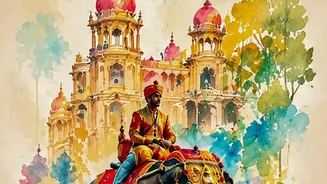
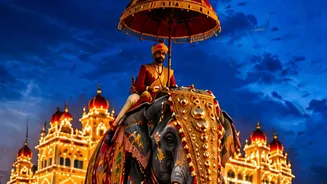
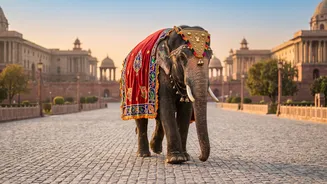
Attending Dasara is to experience Karnataka in a concentrated form. The highlight is the 'Jamboo Savari', a majestic procession on the final day, Vijayadashami, where the idol of Goddess Chamundeshwari is carried in a 750-kg golden howdah atop a decorated elephant. This parade is a moving museum of the state's heritage, featuring folk dance troupes, musical bands, and colourful tableaux depicting scenes from local history and culture. Beyond the procession, the Dasara Exhibition, a tradition since the late 19th century, showcases regional crafts, industrial products, and local food. Events like 'Kusti Spardhe' (traditional wrestling), classical music and dance concerts, and art shows further envelop visitors in the authentic cultural fabric of the region.
The Power of Local Fairs
The spirit of Mysuru Dasara is echoed in countless smaller fairs, or 'melas', across the country. These events are where the cultural heartbeat of India can be felt most intimately. Think of the Pushkar Camel Fair in Rajasthan, which, beyond the livestock trading, has evolved into a major cultural attraction with folk music, competitions, and local crafts. Or consider the Hornbill Festival in Nagaland, which brings together various tribes to showcase their unique traditions, dances, and food. These are not events staged for tourists; they are authentic celebrations of community life that welcome outsiders. Attending a local fair allows travellers to step beyond the curated experience of a monument or museum and engage with a culture as it is lived.
Finding Connection in the Celebration
What makes these festivals so effective at forging a connection is the shared experience. When you eat a local delicacy at a food stall, watch artisans at work, or simply stand in a crowd watching a folk performance, you are participating in the culture, not just observing it. These events offer unscripted moments: a conversation with a local family, an artisan explaining their craft, or the collective gasp of a crowd at a fireworks display. This is the essence of cultural travel. It’s in these moments that a traveller moves from being a visitor to a participant, gaining an understanding that no guidebook can provide. Festivals break down barriers, creating a temporary community where everyone is joined in celebration, offering a direct line to the identity and pride of a region.