



What Exactly Is This Elixir?
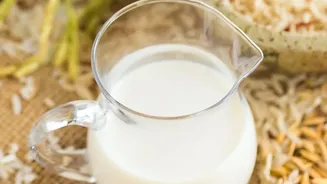
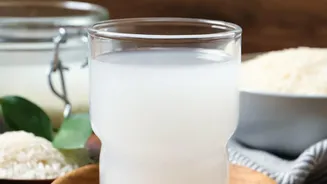
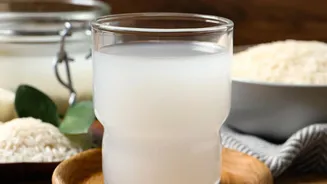
Known by many names across India—like 'Kanji', 'Pazhaya Sadam', or 'Neeragaram'—fermented rice water is, at its core, cooked rice left to soak in water overnight or for up to 24 hours. During this time, a natural fermentation process begins. This simple
act of resting transforms the starchy water and rice into a slightly sour, cloudy liquid brimming with beneficial microorganisms. Traditionally prepared in earthenware pots, this tonic was a daily staple for farmers and rural families, valued for its cooling properties in hot weather and its ability to provide sustained energy. It’s a classic example of using leftovers wisely, turning yesterday’s rice into today’s nourishing meal.
The Science Behind the Tradition
The magic of this ancient drink lies in the fermentation. This process allows beneficial bacteria, particularly Lactic Acid Bacteria (LAB) like Lactobacillus, to multiply. These are the same types of 'good bacteria' found in yogurt and other probiotic foods. Probiotics are live microorganisms that help maintain or improve the balance of the gut microbiome, the complex ecosystem of trillions of bacteria in your digestive system. Scientific studies have shown that the fermentation process not only cultivates these probiotics but also increases the bioavailability of key nutrients like iron, potassium, and B vitamins. It also breaks down anti-nutrients like phytic acid, making minerals easier for the body to absorb.
So, What Are the Gut Health Benefits?
For generations, this rice elixir has been used as a home remedy for digestive ailments, and modern science is beginning to understand why. The probiotics naturally present in fermented rice water can help support a healthy gut lining, aid digestion, and reduce common issues like bloating and indigestion. By promoting a healthy environment for good bacteria, it contributes to a balanced microbiome, which is crucial for overall health. A robust gut microbiome is linked not only to better digestion but also to a stronger immune system, as a significant portion of our immune cells reside in the gut. Some proponents claim it helps reduce inflammation and can be particularly soothing for the stomach.
How to Make It Part of Your Routine
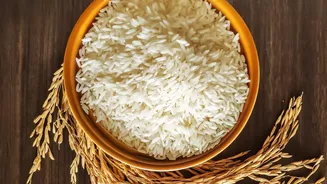
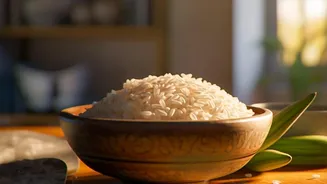
Incorporating this traditional drink into a modern wellness routine is surprisingly simple. To make it at home, you just need cooked rice and water. Place one part cooked, cooled rice in a clay or glass bowl and cover it with about two parts water. Cover the bowl loosely and let it sit at room temperature for 8 to 12 hours, or overnight. The next morning, the water will be slightly cloudy and have a mildly tangy aroma. You can drink the water, or mash the rice into the liquid for a more substantial gruel. Many people in India enjoy it for breakfast with a pinch of salt, chopped onion, green chillies, or a spoonful of curd to enhance the flavour and add even more probiotic power.
A Realistic Perspective
While fermented rice water is a promising and natural source of probiotics, it's important to view it as part of a balanced diet rather than a cure-all. The exact probiotic strains and their quantity can vary based on the rice, water, and fermentation time. It is a gentle and hydrating food that can be particularly beneficial during hot weather or when recovering from an illness. As with any fermented food, it's wise to start with a small amount to see how your body responds. The renewed interest in this humble drink highlights a growing appreciation for traditional food wisdom in our modern pursuit of wellness.