




An Unusual Weather Picture for 2026
This year, the story of India's monsoon has been one of deficit and delay. The India Meteorological Department (IMD) has noted that the 2026 monsoon season has been erratic, with a significant rainfall deficit across the country, particularly in the south
peninsula, east, and northeast. While the monsoon's withdrawal is set to begin around September 19, just a couple of days later than the normal date of September 17, this slight delay won't be enough to make up for the overall shortfall. This has been influenced by a strengthening El Niño, a climate pattern that typically suppresses rainfall and is expected to lead to a warmer winter with less snowfall. For travelers, this doesn't simply mean less rain; it creates a complex and unpredictable weather landscape heading into the popular winter tourist season.
Himalayan Holidays: A Mix of Caution and Clarity
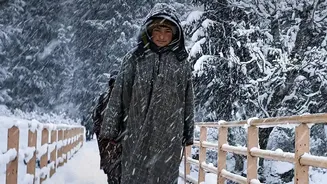
For those planning a trip to the mountains, the current trends present a mixed bag. While a warmer winter might suggest clearer skies, the tail-end of the monsoon is still bringing activity. The IMD has forecast rainfall and thunderstorms across Jammu and Kashmir, Haryana, and Punjab until mid-September. The primary concern in states like Himachal Pradesh and Uttarakhand is not just rain, but its impact on fragile landscapes. Even with a deficit monsoon, intense, localized rainfall can increase the risk of landslides, a common and dangerous occurrence in these regions that has led to road closures and disruptions in past seasons. Travelers planning treks or road trips should remain vigilant, monitor local weather advisories, and confirm that routes are open and safe before heading out, especially in the early winter months of October and November.
Southern Sojourns: Rethinking the Beach Holiday
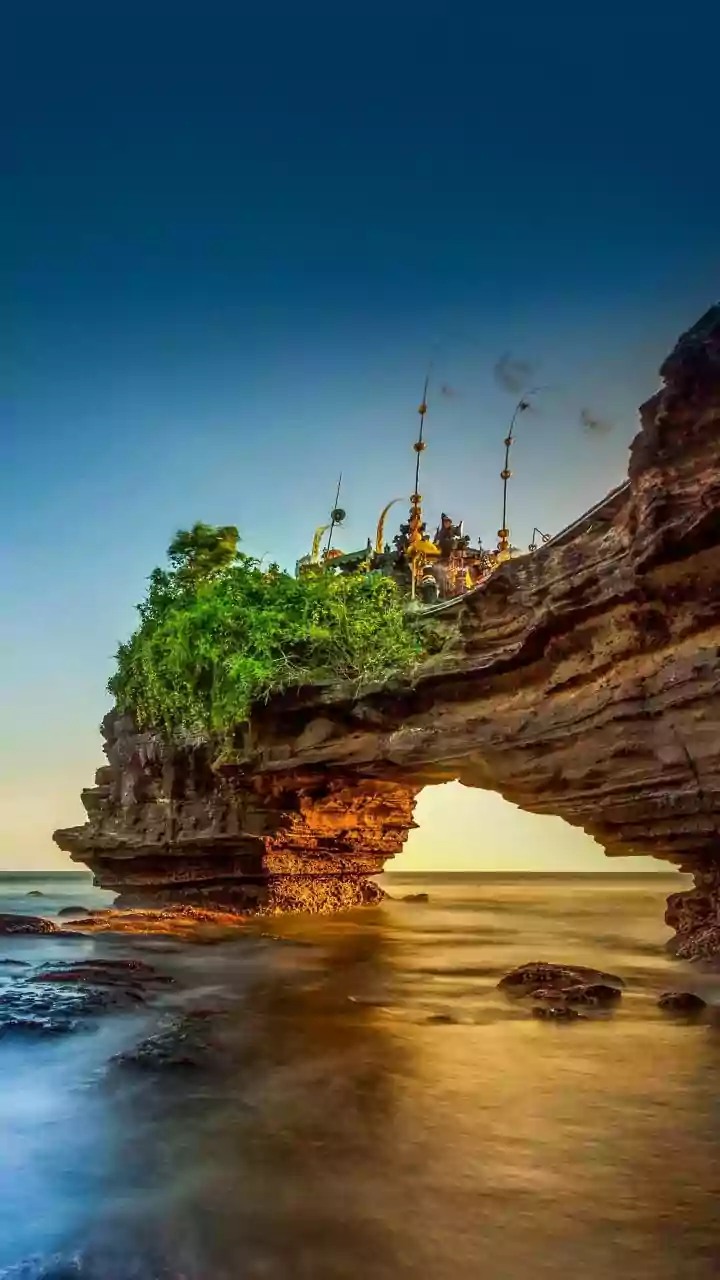
The south peninsula has been one of the hardest-hit regions by the rainfall deficit, with states like Kerala, Karnataka, and Andhra Pradesh seeing significant shortfalls. While this might sound like good news for sun-seekers in places like Goa and Kerala, it’s not that simple. An erratic, lingering monsoon can still bring sporadic, heavy showers well into October, disrupting beach plans. However, there's a growing trend of 'monsoon tourism' in these areas, with travelers embracing the lush, green landscapes and dramatic waterfalls that come alive during the rains. If you’re heading to Goa or Kerala, be prepared for a different kind of holiday. Swimming in the sea is often unsafe due to strong currents during this period, and many beach shacks may remain closed. Instead, the appeal lies in exploring spice plantations, enjoying the vibrant green scenery, and taking advantage of lower off-season prices.
How to Plan for an Unpredictable Winter
Given the unusual weather, flexibility is your greatest asset. First, stay updated with the latest forecasts from the IMD and other reliable weather sources as your travel dates approach. Second, consider purchasing comprehensive travel insurance that covers cancellations or delays due to weather-related events. Third, when booking, have a Plan B. If your primary destination is a high-altitude trek, have a lower-altitude alternative in mind. If a beach is your goal, look for hotels with amenities that don't depend on sunshine. Finally, pack for variability. Include layers, a reliable waterproof jacket, and sturdy footwear, regardless of your destination. This year, the key is not to cancel plans, but to make them smarter and more adaptable to what the season might bring.